
There’s a specific kind of confidence that shows up around 10 a.m. on a Saturday, fueled by a YouTube tutorial and a trip to the hardware store, that convinces otherwise sensible people they can handle a project that really needed a professional. Sometimes it works out fine. Often, it turns into a multi-week ordeal involving a rented tool, a frustrated spouse, and a bill that ends up higher than if a pro had just been called in the first place.
None of this is about DIY being bad; plenty of home projects are genuinely approachable for a motivated beginner. It’s the specific ones below, the ones that look simple until they aren’t, that homeowners most often say they regret tackling solo.
Rewiring Anything Involving the Electrical Panel
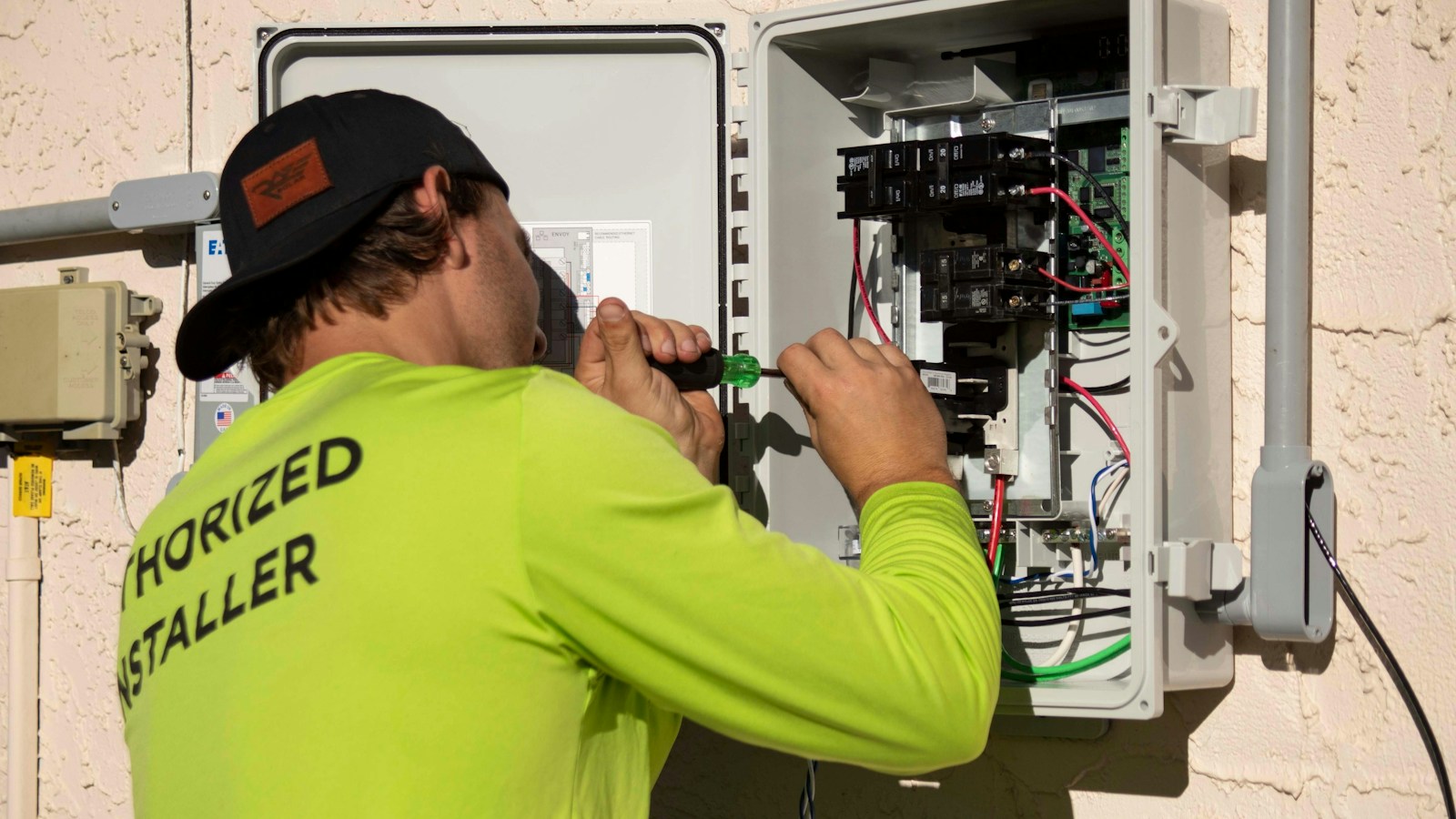
Swapping a light fixture or an outlet cover is one thing; opening up the panel to add a circuit or move wiring is another entirely, and it’s where a lot of confident DIYers get in over their heads. Electrical code is specific and unforgiving, mistakes aren’t always obvious until years later, and a wiring error can become a fire risk that sits invisible behind a wall for a long time. Beyond the safety issue, unpermitted electrical work is one of the more common things that surfaces during a home inspection when selling, forcing a costly redo at the worst possible moment in a transaction.
Removing a Wall Without Checking If It’s Load-Bearing
Open-concept living has made wall removal one of the most tempting DIY projects out there, but taking down the wrong wall, one that’s quietly holding up the floor or roof above it, can cause sagging, cracking, or in worst cases a structural failure that’s far more expensive to fix than the wall itself ever was. Determining what’s load-bearing isn’t always obvious from looking at it; it often requires understanding the home’s framing and sometimes a structural engineer’s input. This is one project where the cost of confirming it’s safe is trivial compared to the cost of being wrong.
Installing a New Toilet or Sink Without Checking the Old Plumbing
Swapping a toilet looks like a weekend project, and often it is, until old wax rings crack, supply lines that looked fine turn out to be corroded, or a flange underneath is damaged in a way that isn’t visible until the new fixture is already set. Small plumbing mistakes tend to reveal themselves slowly, as a slow leak inside a wall or under a subfloor, which means the real cost often shows up weeks later as water damage rather than immediately. A fixture swap is genuinely approachable for many homeowners, but only with a clear-eyed look at what’s underneath before committing.
Refinishing Hardwood Floors
Sanding hardwood floors looks straightforward in tutorials, but the margin for error is thin: uneven sanding leaves visible low spots, going too aggressive can remove more of the wood surface than the floor has left to give, and stain applied unevenly is difficult to fully correct without starting over. Rental sanders are also genuinely difficult to control for a first-timer, and a gouge in a large, visible floor is not a small fix. This is a project where the tools are rentable but the skill isn’t, and a lot of homeowners end up calling in a pro anyway, after already paying for equipment and materials.
Tiling a Shower
A shower isn’t just a wall that needs tile, it’s a waterproofing system that happens to have tile on top of it, and skipping steps in that system, proper membrane, correct slope toward the drain, sealed seams, tends to cause leaks that don’t show up for months or years. By the time water damage becomes visible, it’s often spread into subfloors or the ceiling below, turning a bathroom refresh into a much larger repair. Tile work itself can be learned, but the waterproofing underneath is the part that separates a shower that lasts decades from one that fails quietly inside the walls.
Installing New Windows
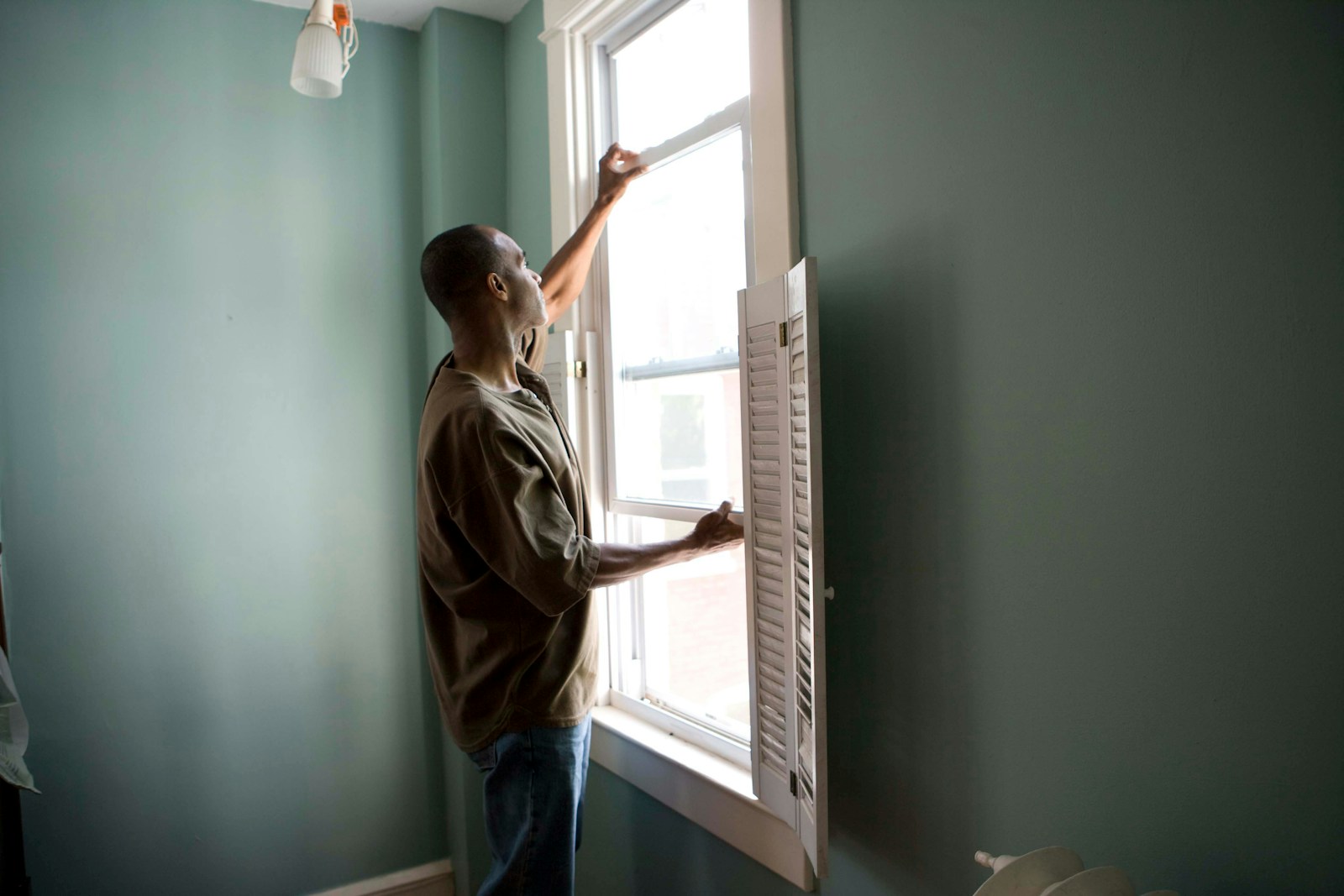
Windows look like they should drop into an existing opening, but proper installation involves precise flashing and sealing to keep water out of the wall cavity, and getting that wrong is one of the more common causes of hidden rot in a home’s frame. A window that looks perfectly installed from the outside can still be letting moisture into the wall if the flashing underneath wasn’t done correctly, and that kind of damage often isn’t discovered until it’s extensive. This is a project where the visible result can look fine for years while the real problem quietly grows behind it.
Repairing or Replacing a Roof
Beyond the obvious fall risk, roofing has a lot of small details, underlayment, flashing around chimneys and vents, proper shingle overlap, that are easy to get wrong without experience, and the consequences of a mistake often aren’t visible until the next heavy rain finds the one spot that wasn’t sealed correctly. A roof is also one of the most expensive systems in a home to redo, so a failed DIY attempt tends to be an expensive lesson rather than a cheap one. This is consistently one of the projects homeowners regret attempting themselves, even ones who are otherwise handy.
Removing Popcorn Ceilings Without Testing for Asbestos First
Textured ceilings installed before the early 1980s can contain asbestos, and scraping them without testing first risks releasing fibers into the air of the home, a health hazard that’s genuinely serious rather than a theoretical one. Testing is inexpensive and straightforward, but it’s a step that gets skipped by homeowners eager to just get the ceiling down over a weekend. If asbestos is present, professional abatement is the safer route, and skipping that step to save money is one of the more consequential shortcuts on this entire list.
Installing a Sump Pump or Modifying Drainage
Water problems around a foundation are tempting to solve with a DIY drainage fix, a French drain, a sump pump, some regrading, but getting the slope or the outlet point wrong can redirect water toward the foundation instead of away from it, turning a minor dampness issue into a real one. Drainage systems only reveal whether they actually work during the next significant rainfall, which means a mistake isn’t obvious until it’s already causing damage. This is a project where the theory is simple but the execution has almost no room for error.
Building a Deck Without Understanding Footing and Ledger Requirements
A deck looks like straightforward carpentry, but the connection points, the ledger board attaching it to the house and the footings holding up the posts, are what keep it from collapsing under weight, and both are frequently done incorrectly by first-time builders. A poorly attached ledger board is one of the more common causes of deck collapses, and it’s not something that shows obvious warning signs until it fails. Deck framing is a place where following code exactly, not just building something that looks sturdy, is the difference between safe and dangerous.
Attempting to Repair a Gas Line or Gas Appliance
Gas work has almost no tolerance for improvisation, since a poor connection or an undetected leak can create a genuine safety hazard rather than just a functional problem. Unlike a water leak, a gas leak isn’t something most homeowners can reliably detect on their own before it becomes dangerous. This is one project where nearly every guide agrees: leave it to a licensed professional, and the near-universal agreement on that point is itself a signal worth listening to.
Painting or Pressure Washing Historic or Delicate Exterior Materials
Older homes with original wood siding, stucco, or masonry often require gentler, more specific approaches than a standard pressure washer or a generic exterior paint, and using the wrong method can strip protective coatings, drive water into materials that were never meant to get that wet, or damage a surface that’s expensive or impossible to replace to match. What looks like simple exterior maintenance on a newer home can be a much more delicate job on an older one, and the mistakes made here are sometimes irreversible rather than just costly to redo.
Leave a Reply