
A creator addresses the common complaint that “decorating on a budget is impossible” by showing her own rental apartment’s transformation from a plain, empty room to a fully furnished, styled space, arguing renters shouldn’t settle for a space that feels temporary just because they don’t own it. It’s a small story on its face, but it’s told with enough specificity, real numbers, real rooms, real reactions, that it ends up saying something bigger about how people actually live.
Addressing a specific complaint directly in the caption, rather than just posting the transformation and letting viewers draw their own conclusions, changes the framing of the whole video. It positions the creator as responding to a real, commonly voiced frustration rather than simply showing off a finished room, which is part of why the clip reads as persuasive argument as much as home content.
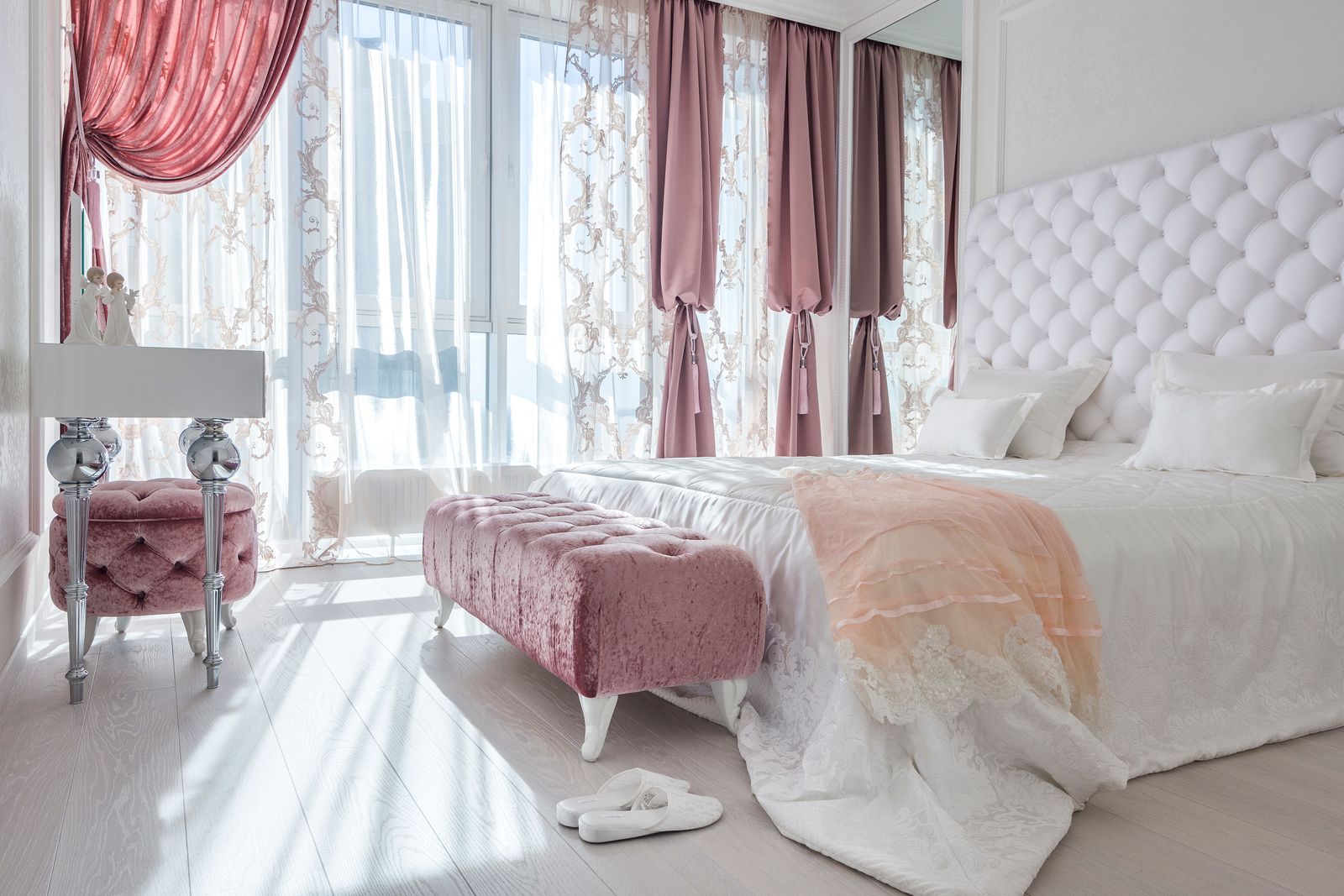
View this post on Instagram
As @evamartinno lays it out, what’s being shared isn’t just a finished result but a genuine account of how it came together, complete with the setbacks and surprises that rarely make it into a more curated version of the same story.
Renting rather than owning changes the entire calculus of a decorating decision, since every choice has to account for the possibility of moving again within a year or two. That constraint is exactly what makes the “doesn’t have to feel temporary” argument land: it’s directly answering the specific, practical hesitation renters have that homeowners making the same kind of transformation content never have to address.
A lot of rental-friendly decorating strategies hinge on reversibility, removable wallpaper, tension rods instead of drilled curtain hardware, furniture and rugs that can travel to the next apartment rather than built-ins that can’t. A budget transformation done well in a rental usually represents more creative problem-solving per dollar than an equivalent homeowner renovation, precisely because so many of the easiest fixes, knocking down a wall, repainting without needing it reversed, simply aren’t available.
The “decorating on a budget is impossible” complaint this video is responding to tends to come from a specific, common experience: scrolling past expensive-looking transformations without any cost breakdown attached, which can make a well-styled rental feel unattainable even when much of the visual impact actually came from cheaper choices like lighting, textiles, and arrangement rather than big-ticket furniture.
Lighting in particular tends to be an underrated lever in a transformation like this one. Swapping harsh overhead fixtures for warmer lamps, string lights, or a dimmer plug is one of the least expensive changes a renter can make, and it’s often the single factor that does the most to make a plain, builder-grade room stop feeling like a temporary waystation and start feeling like somewhere a person actually chose to live.
Comment sections under rental-transformation content like this one tend to be unusually active with people asking for exact sources, specific throw pillow brands, where a particular mirror came from, because unlike a one-of-a-kind renovation, a lot of what’s shown is genuinely replicable by another renter on a similar budget, which turns the comments into a running resource list as much as a reaction thread.
There’s also a psychological argument buried in the “stop settling” framing that goes beyond aesthetics. Treating a rental as worth investing time and care into, rather than as a placeholder to be endured until a hypothetical future home, reflects a broader attitude about living fully in present circumstances rather than indefinitely postponing comfort for some later milestone.
A lease’s fixed end date also shapes how renters think about return on a decorating investment differently than a homeowner would. Spending a meaningful amount on furniture or decor that will need to be moved, and possibly won’t fit the next apartment’s layout at all, requires weighing present-day comfort against a future that’s genuinely uncertain, which is a calculation homeowners making similar renovation content simply never have to run.
There’s also a visibility gap in how rental transformations get discussed compared to homeowner ones. Renovation content involving permits, contractors, and structural change tends to dominate home-improvement media, which can leave renters with the impression that meaningful transformation requires ownership. A video like this one pushes back directly on that assumption by demonstrating that paint, furniture, lighting, and styling alone, none of which touch the building’s actual structure, can produce a comparably dramatic before-and-after.
Budget-conscious viewers scrolling past a lot of aspirational home content often experience a kind of fatigue from transformations that never disclose cost, leaving the implicit impression that a similar result is simply out of reach. Content that pairs a dramatic reveal with an openly stated budget constraint functions almost as a corrective to that pattern, restoring a sense that the techniques shown are actually accessible rather than aspirational in an abstract, unreachable way.
For landlords and property managers who occasionally see this kind of content, there’s also an implicit argument worth noting: a tenant willing to invest real time and money into making a unit feel like home is also, generally, a tenant inclined to take better care of it over the length of a lease, which quietly complicates the common assumption that a rental doesn’t deserve the same care as an owned property.
Whatever apartment she decorates next, the clip has already made its point without needing to argue it any further: the gap between a rental that feels temporary and one that feels like home usually has less to do with a lease and more to do with whether anyone bothered to try.
Leave a Reply