The job was supposed to be simple: clean a front walkway. Then the homeowner stepped outside and pointed at the driveway. Pressure washing business owner @allsidespressurewashing says that moment doubled the size of his day, and the reason is one many people with shared property will recognize.
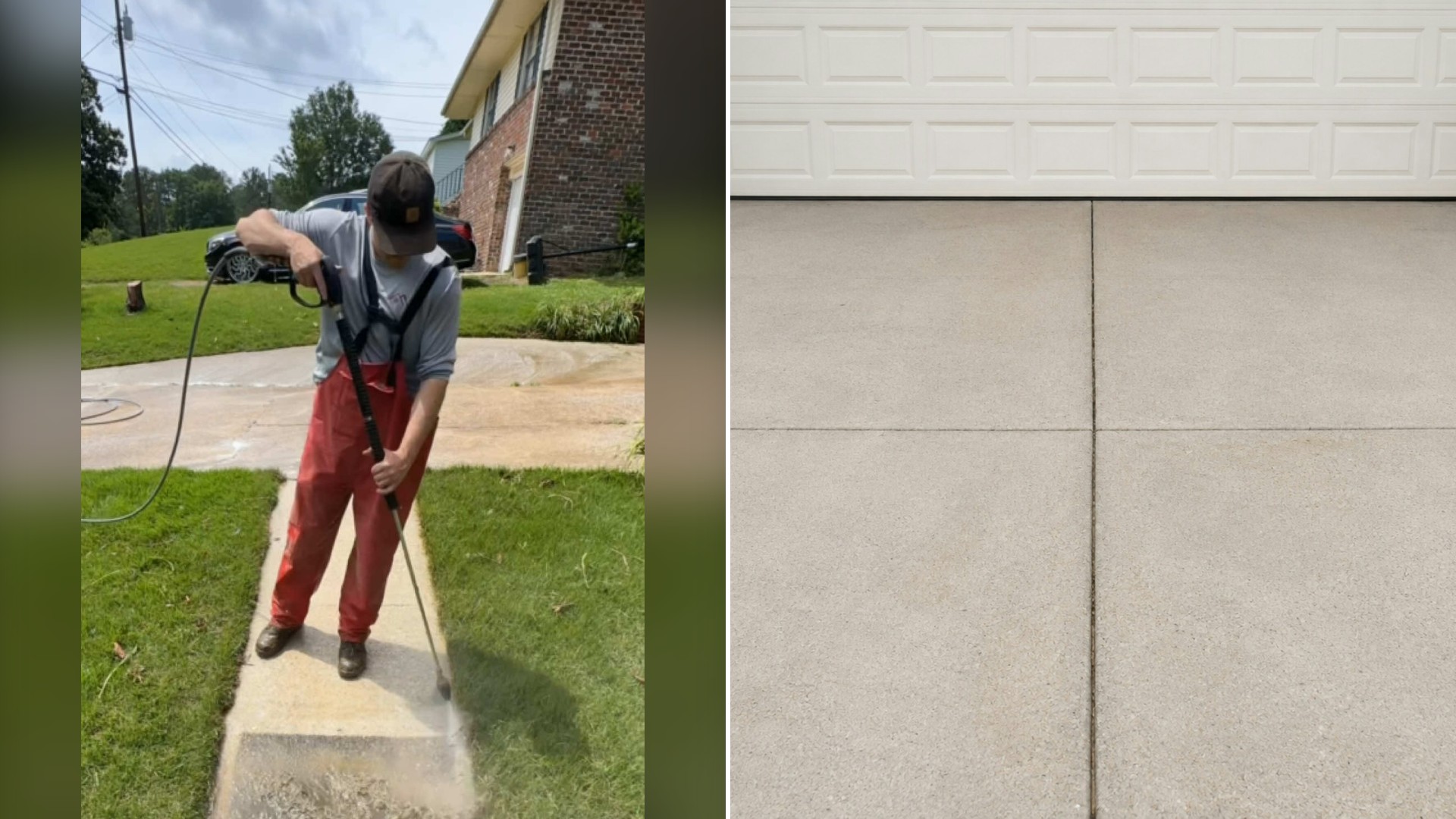
The homeowner was about to be fined by his homeowners association over a driveway that was not even his responsibility, and the pressure washer decided to help in a way that cost him far more than it cost the customer.
@allsidespressurewashing
How a Walkway Job Turned Into a Driveway Job
According to the creator, he was hired to clean the front walkway. He fired up the machine and was finishing when the homeowner came outside and gestured toward a double driveway that he shares with his neighbor. The homeowner explained that the neighbor was responsible for maintaining one side of it, and that side was very dirty.
The association had sent a letter to both houses. It said that if the entire driveway was not cleaned right away, both households would be fined daily. The neighbor flatly refused to pay for the cleaning, which left the homeowner with a choice between a stack of daily fines and paying for work on someone else’s half.
Paying for a Neighbor’s Side
The homeowner did the math and decided to pay. He told the pressure washer he was willing to cover the neighbor’s portion to get the association off his back, and that he would end up paying more in fines than he would pay for the cleaning. The creator described the situation as the association forcing a homeowner to pay for something that was not his responsibility, or else face a fine.
That is when the contractor made his own decision. Because he felt the homeowner was being squeezed, he charged only what it cost him to run his pressure washer for the extra section. It was a modest gesture, and it turned a frustrating afternoon into something that felt fair.
Who Is Responsible for a Shared Driveway
Shared driveways are common in townhome communities, older neighborhoods and homes on narrow lots. In general, responsibility depends on the deeds, any recorded easement or maintenance agreement, and the community rules. Some documents assign each owner their own half, as the neighbors in this story seem to have understood. Others require an even split, and some leave upkeep to the association.
If you share a driveway, find your deed and property survey and look for language about maintenance. A local records office or title company can help locate recorded agreements. When the paperwork is unclear, a real estate attorney in your area can explain how your state treats shared maintenance. This is general information, so check your own documents before deciding who owes what.
Why Associations Send Letters to Both Houses
When a surface belongs to two properties, an association may find it simpler to notify both owners than to sort out who is at fault. That is not necessarily unfair, but it can leave a cooperative owner stuck with the consequences of a neighbor’s choice. If you receive a joint notice, it is reasonable to ask the board in writing how it handles shared areas, whether a fine can be directed at the owner who is responsible, and whether the deadline can be extended while you settle things next door.
Dirt on concrete is a common reason for notices because algae, mildew, tire marks and oil stains can build up gradually, especially in damp or shaded spots. A regular cleaning every year or two usually keeps the surface in good shape, and it helps prevent slippery patches.
Talking to a Neighbor About Shared Costs
A calm conversation tends to go further than a demand. Share the notice, explain the deadline and offer a simple plan, such as splitting the bill or taking turns paying for upkeep. A short email afterward keeps everyone on the same page. If a neighbor still says no, you can weigh whether paying is cheaper than the fines, which is the call this homeowner made, and then keep your receipt in case you want to raise the cost later through the proper channels.
Hiring a Pressure Washer Without Surprises
Jobs that grow once the work begins are a classic source of friction between contractors and customers. A few habits can prevent it.
- Get a written estimate that names every surface included.
- Mention shared or oddly shaped areas before the work starts.
- Ask how extra sections will be priced before agreeing to them.
- Confirm the company carries insurance.
- Take photos before and after, and keep the receipt.
- Check community rules about where wash water may drain.
Keeping the Peace Is Worth Something
Nothing in this story required a courtroom or a heated argument. A homeowner chose the cheaper path over daily fines, and a contractor chose to bill for his costs instead of padding the invoice. Neither of them had to do either thing.
If you ever pay more than your share to keep a notice from growing into a fine, keep your records, stay courteous and revisit the cost conversation once things calm down. Clear paperwork and honest pricing make shared spaces much easier to live with.
Leave a Reply