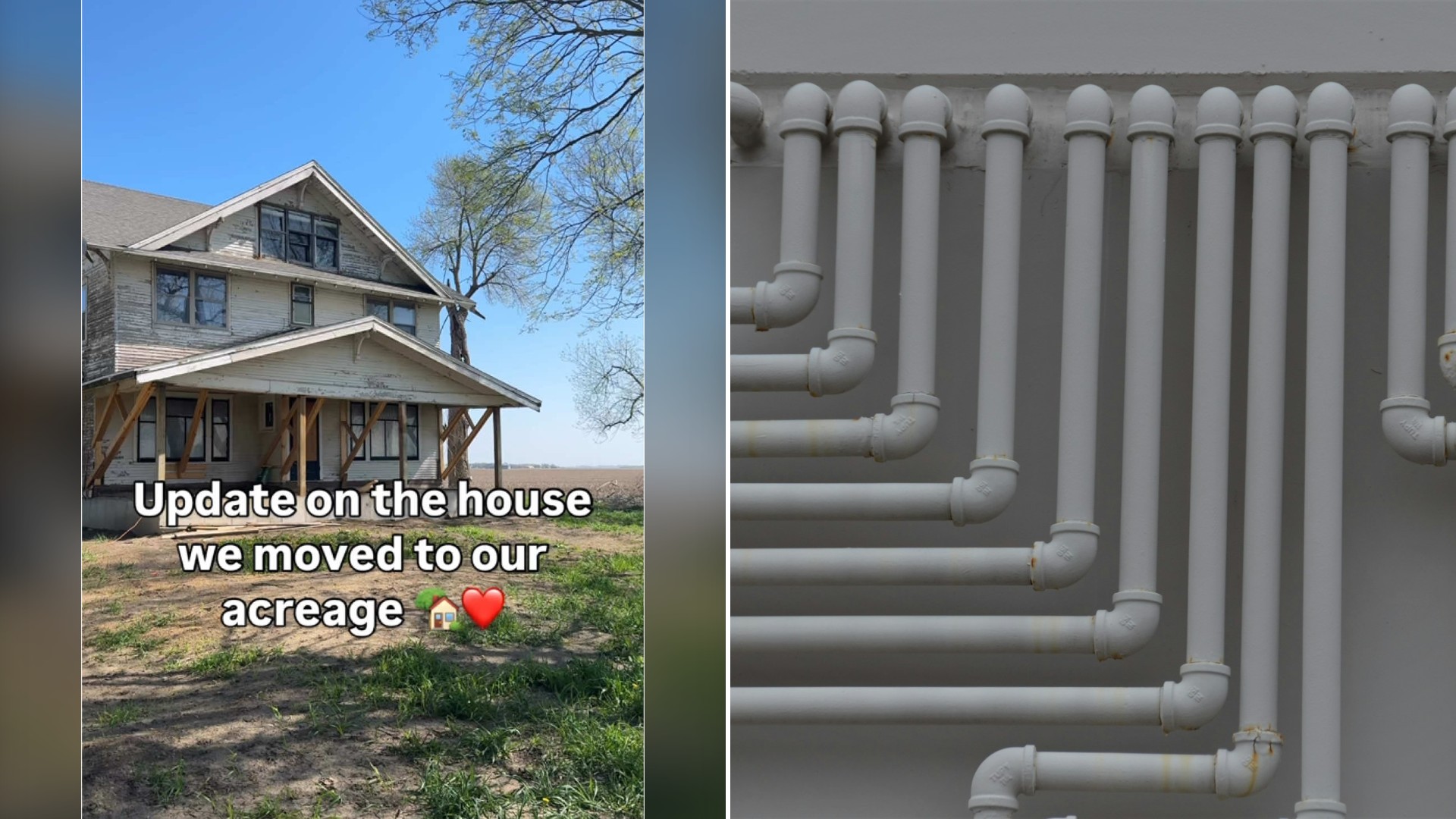
Turning an abandoned property into a family home is a long road, and one couple is taking it a piece at a time. In a recent update, @sharel.moore shared how things stand on the abandoned acreage she and her husband bought last fall, and the headline is a big one: a septic system and real running water have finally arrived.
She also explained why the pace feels slower than they would like. Her husband is handling all of the plumbing and electric himself, and he is doing it on top of a full time job. Here is the story in order, followed by general tips for anyone thinking about a project like this.
@sharel.moore
A Long Awaited Update on the Abandoned Acreage
The creator opened by calling her update long awaited. She and her husband had moved a house onto the abandoned acreage they bought last fall, and she said it had been about a month since her last update. She was honest that not a lot had changed in that time, but she made clear the couple was still making progress. The most exciting development was the arrival of two things every home needs before anyone can truly live there, a working septic system and real running water. Those two milestones are often the unglamorous backbone of a rural build, and they set the stage for everything that comes after.
A Septic Tank, Three Drain Fields and Mounds of Dirt
She walked through the new septic system, which includes a tank and three drain fields. The mounds of dirt left behind from the installation will have to stay in place for about six months to a year before the couple can level everything out. Real water was also run to the property, which she described as a big step forward. Even so, she said things were moving more slowly than the couple would like, and she was quick to explain the main reason for that.
One Husband Doing All the Plumbing and Electric
That reason is the heart of the story. Her husband is doing pretty much everything by himself, including all of the plumbing and all of the electric. The couple is trying to save money by having him do the work because he knows how. The tradeoff is time, since he also has a full time job on top of the house project. She said things simply take longer this way, but it keeps costs down, and the two are clearly willing to accept a slower schedule in exchange for the savings.
A Half Bath, Bathtubs and a Deep Soaking Tub
She also answered a question many people had asked, whether the main floor would have a bathroom. It will. The mudroom, which is entered from the garage, will have a half bath right there. The couple picked up the bathtubs for upstairs so that her husband could run the plumbing for them, and he has been working on plumbing and venting for the washer and dryer as well. As for the primary bathroom, others had asked whether she planned to include a tub. Her answer was an enthusiastic yes. She bought a deep soaking tub and said she is very excited about it.
Progress on the Outside of the House
The outside of the house is moving along too. She said the back of the house has been completely sealed up. All of the siding is off the east side, and a crew is now taking the siding off the west side. She closed by encouraging people to keep following along and promised more updates as she is able to post them.
General Tips for Taking On a Rural Fixer Upper
Every project is different, but a few general lessons apply to almost any couple taking on a property like this.
- Check local rules first. Septic systems, water connections and major electrical or plumbing work usually require permits and inspections, so talk to your local building or health department before starting.
- Give new septic work time. Freshly disturbed soil generally needs to settle before final grading, and it is wise to keep heavy vehicles off drain fields.
- Plan the order of work. Rough in plumbing, venting and wiring before walls are closed up, and schedule any required inspections before covering anything.
- Be realistic about timelines. Doing skilled work after hours around a full time job takes much longer than hiring a crew, so build extra time into your plan.
- Know your limits. Even confident do it yourselfers often hire licensed professionals for the riskiest jobs, such as connecting to a main electrical panel, and some areas require a licensed person for certain work.
- Keep a budget cushion. Rural builds tend to uncover surprises, and a reserve fund keeps a small setback from becoming a stalled project.
- Take photos before walls close. A record of where pipes and wires run is a gift to your future self when repairs come up.
Slow Progress Is Still Progress
It is easy to focus on how much is left to do, but this couple has already crossed some of the biggest hurdles on an abandoned property. A septic system is in, water has been run to the land, bathtubs are waiting for their plumbing, and the siding is coming off to make way for the next phase. The pace may be slower than they would like, but doing the plumbing and electric themselves is saving money, and each update shows a house that is closer to being a home. Anyone planning a similar adventure can take heart from the steady, practical approach this family has chosen.
Leave a Reply