Every builder has a story about the job that looked finished until someone pointed out what was missing. The contractor behind @builtbytravis shared one on social media, and it begins with a confession. He says he “screwed up big time” the week he finished a fence he thought looked awesome, only to have a neighbor raise a question that turned into a complaint to the city.
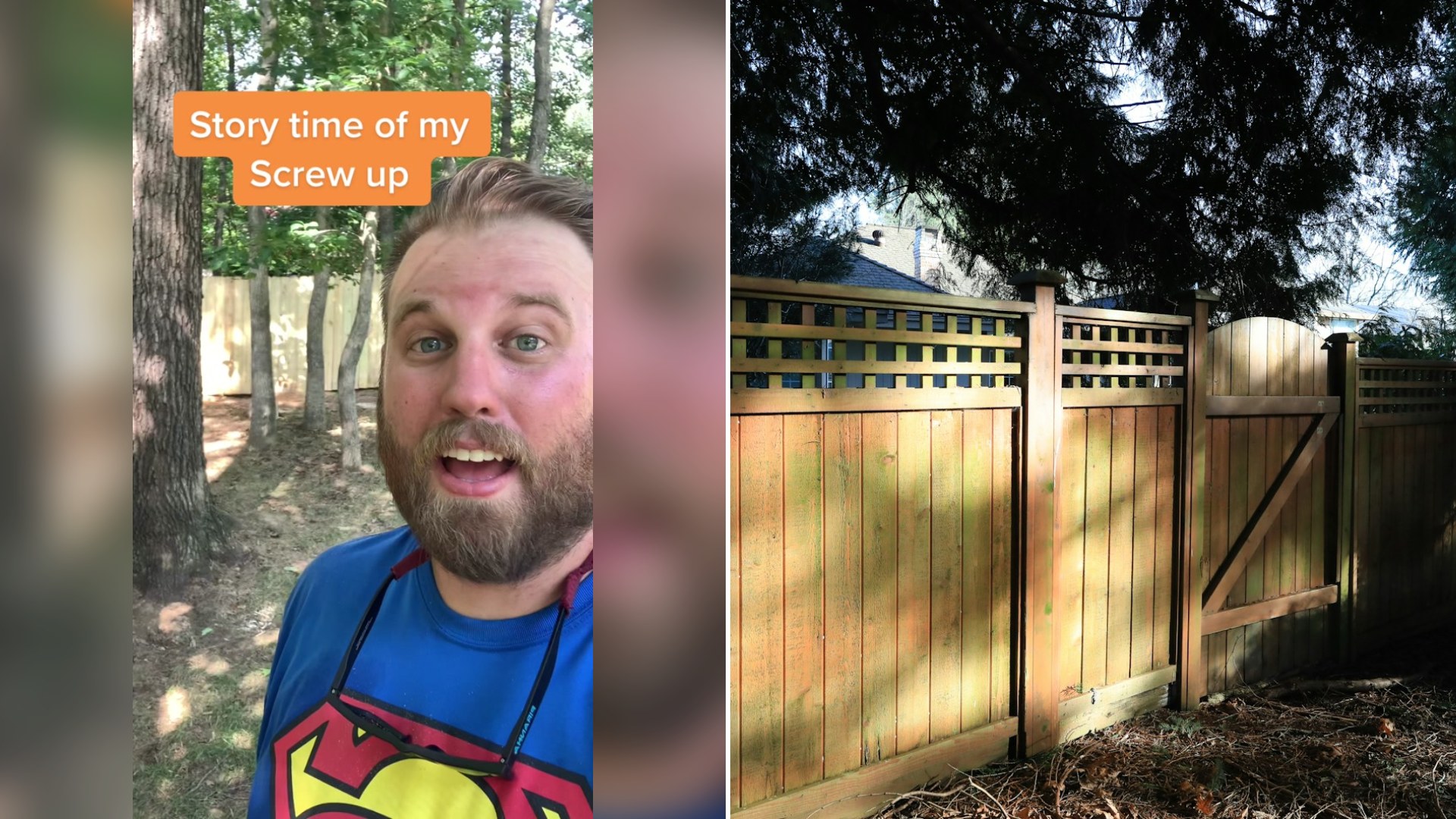
@builtbytravis
The story is short but packed with the sort of tension that lands in every neighborhood sooner or later. A fence is up, a client is paying, a neighbor is unhappy, and there is an ordinance that may or may not say what everyone thinks it says. The builder, who works in Tennessee, ends his post by asking what he should have done and what the client should have done.
The Fence That Looked Finished
According to the builder, he was in the middle of building the fence when a neighbor came over and asked which side would be the finished side. His answer was that the finished side would face the inside, because that is what his client wanted. He explains that this is how he does many fences in his area. Within city limits, he says, four of the five fences he has built have the good looking side facing in.
The property in question, he says, is surrounded by woods. The neighbor lives on the other side of those woods. Even so, he says, that neighbor complained, and someone from the city came out to take a look.
The Fix
He says the problem was solved, and he calls himself lucky about that. His fix was to build a shadow box along the back side of the fence. A shadow box design alternates boards on either side of the rails so that both faces look similar from every angle, and he says it classifies as a finished fence. The extra work covered 50 feet of fence, and he had to go back and do it all because a neighbor complained that the fence could be seen through the woods, all because of a city ordinance.
Why It Stung
What bothers him most, he says, is the history. This fence replaced an older one that was dilapidated and falling apart, which he describes as literally rotting all over. In his view, the neighbors might have been grateful that the eyesore was gone. Instead, he says, they threw a fit and insisted it be done a certain way. The client was spending $8,000, and he believes the owner should get the fence the way he wants it.
He is quick to say he would understand if the home were in an HOA or surrounded by closely packed houses. But with brushy woods around the backyard, he says, the complaint felt unreasonable. He closes with a plea for people to do better.
It is also worth noting how he frames his own role. His caption asks whether he was in the wrong for not understanding the ordinance fully. In other words, he admits he may have missed something. The post does not name the city or quote the ordinance, so the exact rules remain unclear, and the account of the neighbor’s motives is his alone.
The Great Fence Debate
Few topics split homeowners like the question of which way a fence should face. Many people repeat the old idea that the finished side, with no visible rails or posts, should point outward toward the neighbors. Others say that the good side belongs to the person who paid for the fence.
The answer is not universal. Some cities and homeowners associations require the finished side to face out. Others say nothing at all. Rules about height, setbacks from the property line and materials vary even more. Several people who responded to the post seemed to agree with the first view, with one saying the pretty side should always face the neighbor and another saying contractors should know the local code. A few joked that the finished side always ends up facing the wrong way. Another said that if a homeowner asks for something specific, that is what the homeowner is paying for.
Tips For Homeowners And Builders
Whether you are hiring a contractor or building a fence yourself, a few steps can head off a dispute.
Call the city or county before you build. Ask about permits, height limits, setbacks and whether there is a rule about which side faces out. Get the answer in writing, or at least write down the name of the person who gave it and the date.
Check for an association. If your community has an HOA, read its covenants. These documents often include specific rules about materials, colors and fence direction.
Confirm the property line. A survey is the most reliable way to know where your land ends. Building even a few inches over can lead to a bigger fight than the fence style ever would.
Talk to your neighbors early. A friendly conversation about your plans, along with the schedule and the look of the fence, often prevents the kind of surprise that ends in a complaint. Neighbors who feel included are more likely to be patient.
Put it in the contract. Builders should write down who is responsible for permits and code compliance. Homeowners should ask what happens if a change is needed after the fact.
Consider a shadow box or good neighbor design. Fences with boards on alternating sides look finished from both directions and can end disagreements before they begin. They may cost more in lumber, but they can save money and goodwill later.
What The Story Leaves Behind
There is no tidy ending to this story. The builder fixed the fence, the client got a fence, and the back side now counts as finished. The question he leaves open is whether the system worked or whether the neighbor was unreasonable. As @builtbytravis frames it, the open question is whether he was in the wrong for not understanding the ordinance fully. That honest uncertainty is a good reminder that a few phone calls at the start of a project can save a lot of boards at the end.
Leave a Reply