If you have ever planted a tall, spindly tomato seedling and wondered how to make it sturdier, there is a classic trick that costs nothing. Creator @creative_explained shows it in a short garden demo: strip the plant of its lower leaves, lay it on its side in a trench, and let the buried stem turn into a root system. The promise is bigger and more plentiful tomatoes.
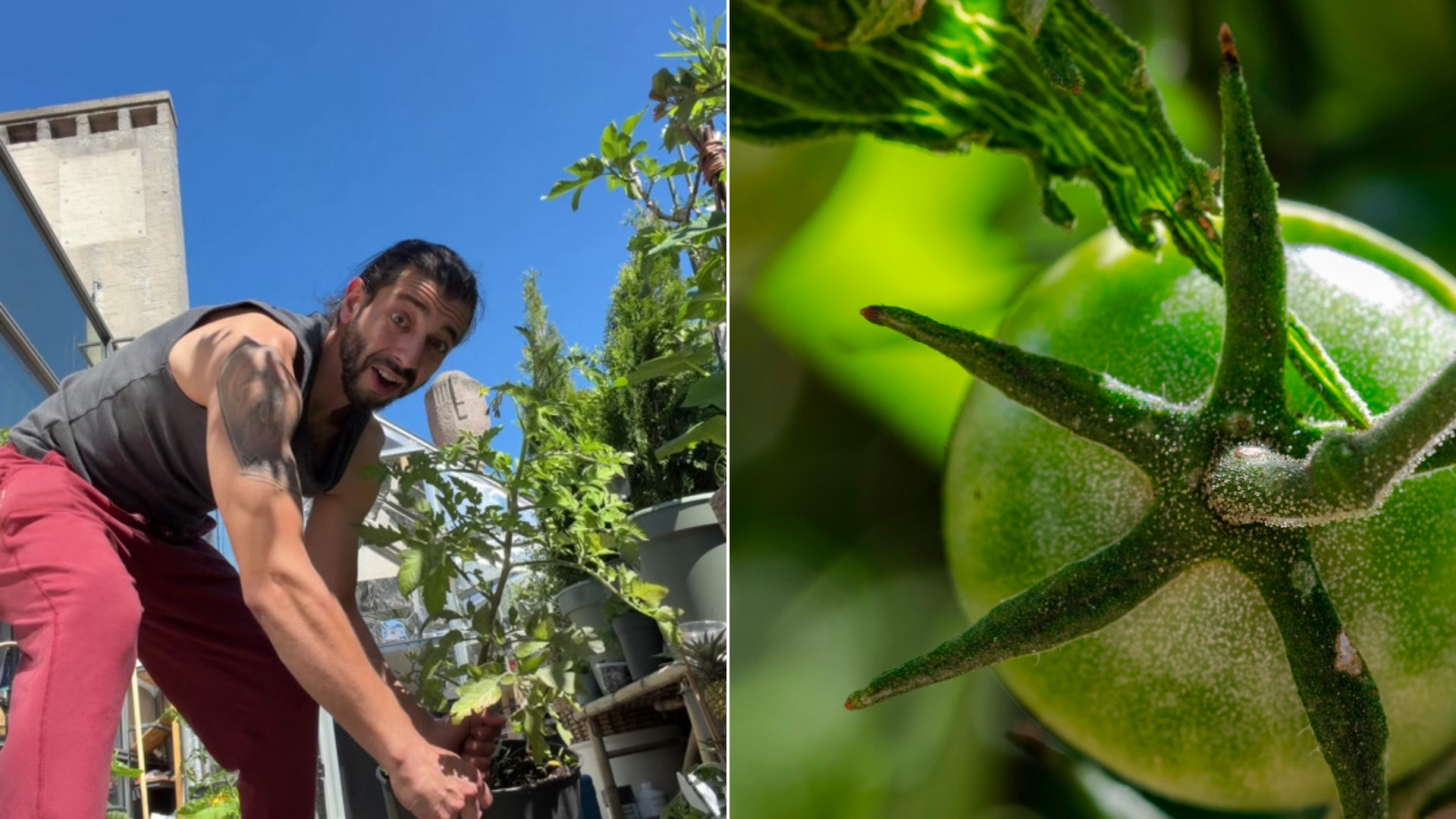
It is an old gardener’s method, and it happens to be well supported by the way tomatoes grow. Here is how the creator does it, why it works, and how to get the best results in your own garden this season.
@creative_explained
The method, step by step
The creator begins by asking whether you knew you could take a tomato plant and strip it down, leaving only the top shoot with a single leaf. From there, the steps are simple:
- Strip the plant. Remove the lower leaves and leave the top shoot with one leaf.
- Dig a long trench in your garden bed.
- Loosen the soil and gently rough up the roots with your fingers.
- Lay the plant along the trench and cover the stem.
Once that is done, the creator explains, the tomato grows roots all along its stem and starts putting up new shoots. The stem, in the creator’s words, pretty much transforms into an entire root system. More roots means more water intake and more nutrients, and that, the creator says, leads to bigger and far more tomatoes.
Why tomatoes can do this
Most plants should never be buried deeper than they were growing in the pot. Tomatoes are the happy exception. As Horticulture magazine explains, tomato stems can grow roots when they are buried, and the extra roots give the plant a sturdier base and better access to water and nutrients. The magazine calls it an exception to the usual rule against planting below soil grade, and it describes both a deep-hole method and a trench method for heavier soil.
In other words, the main thing a trench does is give you more root. A bigger root system generally means a plant that handles dry spells and wind better. Whether that always translates into larger fruit will depend on your variety, your weather and your soil, so think of the extra tomatoes as a likely bonus rather than a guarantee.
Getting the details right
The creator keeps things quick, so a few extra pointers can help the method work even better. The folks at Garden.org describe trench planting as especially useful for tall, leggy seedlings and for cooler climates, since the buried stem sits in the warmer top layer of soil. Their key points:
- Remove yellowing or dying lower leaves so that only healthy green ones remain.
- Lay the plant horizontally in a shallow trench and cover the stem with 2 to 3 inches of soil.
- Keep the top of the plant above ground. Garden.org suggests leaving the top cluster of leaves showing. The creator trims the plant down to a single leaf, which works too, but leaving a few more leaves gives the plant more to feed itself with while it recovers.
- Do not bend the stem sharply upward. Push a small soil “pillow” under the tip, and the plant will grow upright on its own.
- Handle the rootball gently and disturb the roots as little as you can.
- Water thoroughly after planting.
- Stake or cage right away. A buried stem is easy to damage later.
- Consider a cutworm collar. A strip of newspaper or paperboard wrapped around the stem where it meets the soil can protect it.
Horticulture magazine adds one caution: avoid this method in hard or compacted soil, because it can keep new roots from forming and spreading. If your garden bed is heavy clay, loosen it well with a fork first, or work in some compost.
Bonus trick: turn a cut stem into a new plant
The second half of the demo is just as handy. Because tomatoes root so easily, the creator says you can snip off a stem, place it in water, and in just a few days see roots forming. Plant it in soil, and you have a whole new tomato plant. The creator points out one healthy-looking set of roots and clearly enjoys the result.
If you want to try it, Gardening Know How offers some practical guidance:
- Aim for a cutting about 4 to 6 inches long. Smaller ones tend to be weak, and larger ones can struggle after transplanting.
- Take shoots from the crotch where a leaf branch meets the main stem, and cut just below a node.
- Strip the leaves from the lower half of the stem and place only the bare stem in a jar of water on a bright windowsill, out of direct sun.
- Change the water every couple of days to prevent rot.
- Roots usually appear in 7 to 14 days. Pot the cutting up once the roots reach about an inch.
- Choose the healthiest parent plant, since cuttings carry any diseases of the plant they came from.
The same source estimates about 8 to 10 weeks from a rooted cutting to ripe fruit, and says cherry and plum varieties ripen fastest. That timing makes the trick a good way to fill a gap in the garden or start a late-season crop.
Who should try it
This is a great technique for anyone who bought a seedling that grew tall and floppy before it made it into the ground. Instead of throwing the plant away or planting it with a long, bare stem, you can bury that stem and turn a weakness into an advantage. It is also useful for gardeners with short growing seasons, since the warm top few inches of soil encourage quick root growth.
The only real cost is a little extra digging. For that small effort, you get a sturdier plant, a stronger root system and, if the creator is right, a bigger harvest. Not bad for a gardening hack that has been handed down for generations.
Leave a Reply