Most of us remember a grandparent with a jar of something strange sitting on the kitchen counter. Ask what it was, and the answer was always the same: “That’s for the tomatoes.” The homesteading creator at @bandrhomestead has turned that memory into a gardening experiment called Pappy Knowledge, and episode two puts banana peel water to the test.
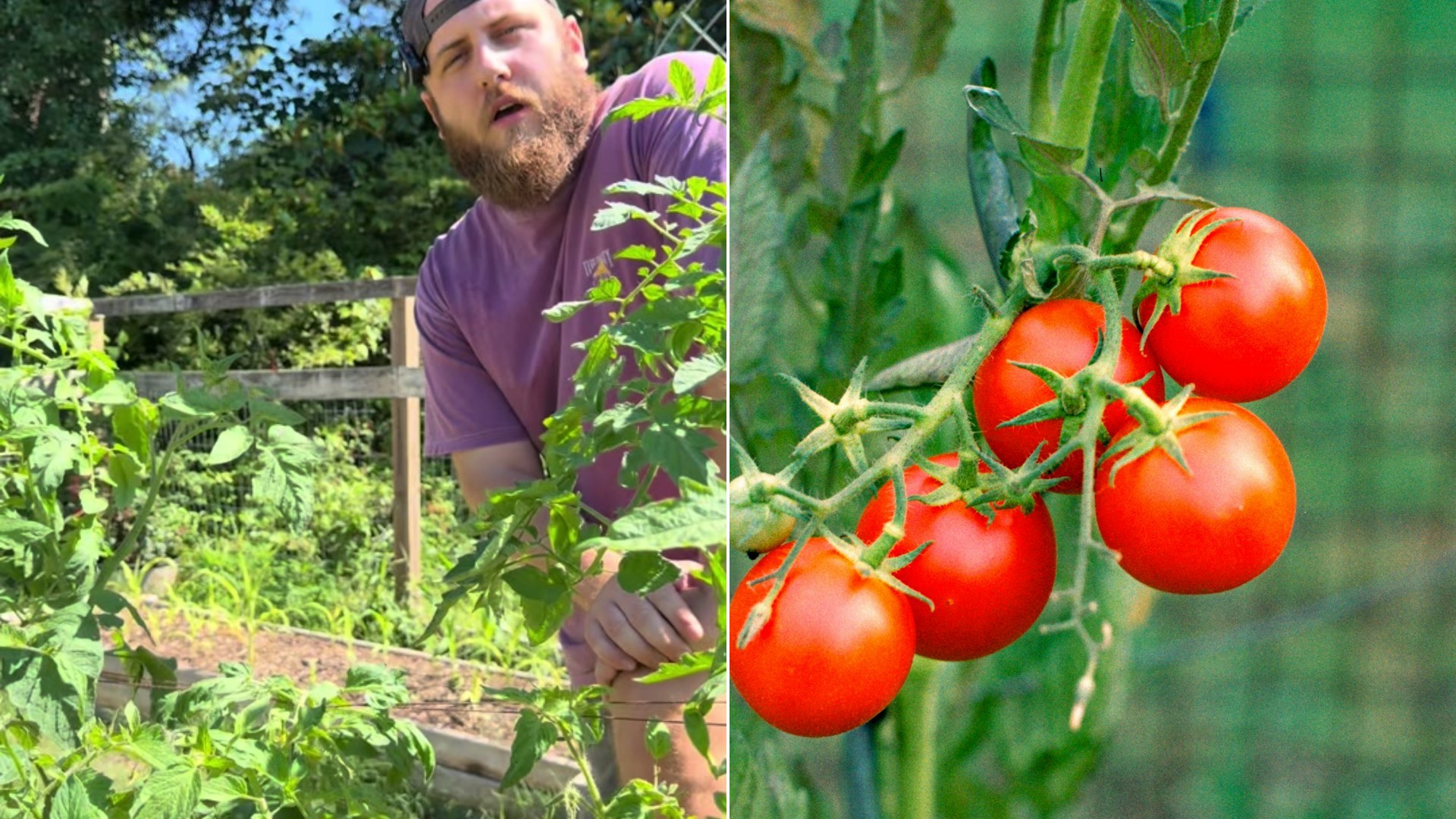
The goal of the series is to figure out why Pappy always grew the best tomatoes when you were a kid. This time, the host sets up a fair comparison, keeps a control group, and promises to find out whether the old-timer was right or whether he “finally just needs to get off Facebook.”
@bandrhomestead
How the experiment works
The host explains that episode one involved cracking an egg at the bottom of the planting holes for a group of Roma tomatoes. Episode two adds a second old-fashioned trick: banana peel water. The recipe is about as simple as it gets:
- Cut up banana peels.
- Put them in a jar and fill it with water.
- Let it sit for about 24 hours.
According to Pappy, the result is a “fantastic fertilized water” holding potassium, phosphorus, magnesium and a little calcium that leached out of the peels. The host explains why that matters to a tomato plant. Nitrogen is great for green, leafy growth, but once the fruit starts to set, potassium and phosphorus help with flowering and fruiting. That is why, the host says, the water should be a good match for tomatoes at this stage.
To keep the test honest, there is a control group: two Roma tomatoes that will not get any peel water. Only Pappy’s tomatoes, the ones with the egg under them, will be watered with the banana mixture. At the end of the season, the plants should show whether Pappy’s method makes a difference. The host also teases a live reaction from Pappy himself at the end of the episode, and he gives it his seal of approval.
The result of the comparison is not shown in this episode, so the verdict will have to wait for a later update.
What gardening experts say about banana peels
While we wait for the results, it is worth looking at what the science says. The nutrients listed are genuinely in banana peels. According to Epic Gardening’s look at DIY fertilizer myths, peels contain plenty of nutrients, mainly potassium, along with smaller amounts of phosphorus and calcium.
The catch is speed. The same article says peels do not give plants an instant boost, because the nutrients have to decompose first, which can take weeks or months. It also says soaking peels in water to make a tea “doesn’t make a big difference in the availability of the nutrients.” The better uses, it suggests, are composting the peels or drying and grinding them into a powder as a slow, long-term soil conditioner.
That does not mean Pappy is wrong. Plenty of gardeners swear by their homemade brews, and a little extra moisture and organic matter will not hurt a plant. It just means that if the peel-watered tomatoes do better, the reason may not be as simple as an instant potassium boost. Regular, consistent watering can also change how a plant performs, which is exactly why the control group in this experiment matters.
The egg trick and blossom end rot
The egg from episode one is another long-standing gardening habit, and the idea behind it is calcium. Tomatoes that do not get enough calcium can develop blossom end rot, a dark, leathery patch on the bottom of the fruit. Eggs and eggshells are made largely of calcium carbonate, so it is easy to see where the tradition came from.
Extension educators urge a little caution, though. A North Carolina Cooperative Extension article on eggshells calls the hack “semi-based on truth” and notes that blossom end rot is usually caused by uneven watering, which keeps the plant from taking up the calcium that is already in the soil. It adds that eggshells will not make calcium available to plants in a timely enough fashion, and it recommends an early spring soil test and a consistent watering schedule instead.
Put those two points together and you can see why this series is useful. Old-timers often did several things right at once: they watered steadily, they fed the soil with kitchen scraps and they paid close attention to their plants. Sometimes the jar on the counter gets the credit when the habits around it deserve it.
Try your own Pappy test at home
You do not need a homestead to run a fair experiment. A few ideas if you want to follow along:
- Keep a control. Leave at least one plant of the same variety untreated, and plant it near the others so sunlight and soil match.
- Change one thing at a time. If you add eggs, peel water and a new fertilizer all at once, you will never know which one helped.
- Take notes. Write down planting dates, watering days, when the first flowers appeared and how many tomatoes each plant produced.
- Water on a schedule. Even moisture is one of the best things you can do for a tomato.
- Consider a soil test. It will tell you what your garden actually needs before you start guessing.
The charm of this series is that it treats grandparents’ advice with both respect and curiosity. Pappy may or may not be right about the banana peels, but he clearly got a lot of people thinking about what their own families used to do. As the host asks at the end, what is your favorite method of Pappy gardening? It is a great question to share with the family at the next holiday table.
Leave a Reply