For years, there was never an issue with the property line. Then one day, the neighbor had his land surveyed, and suddenly there was a complaint. The problem, according to the man behind the TikTok clip, was about three inches of edging that had been cut a little too far over the line.
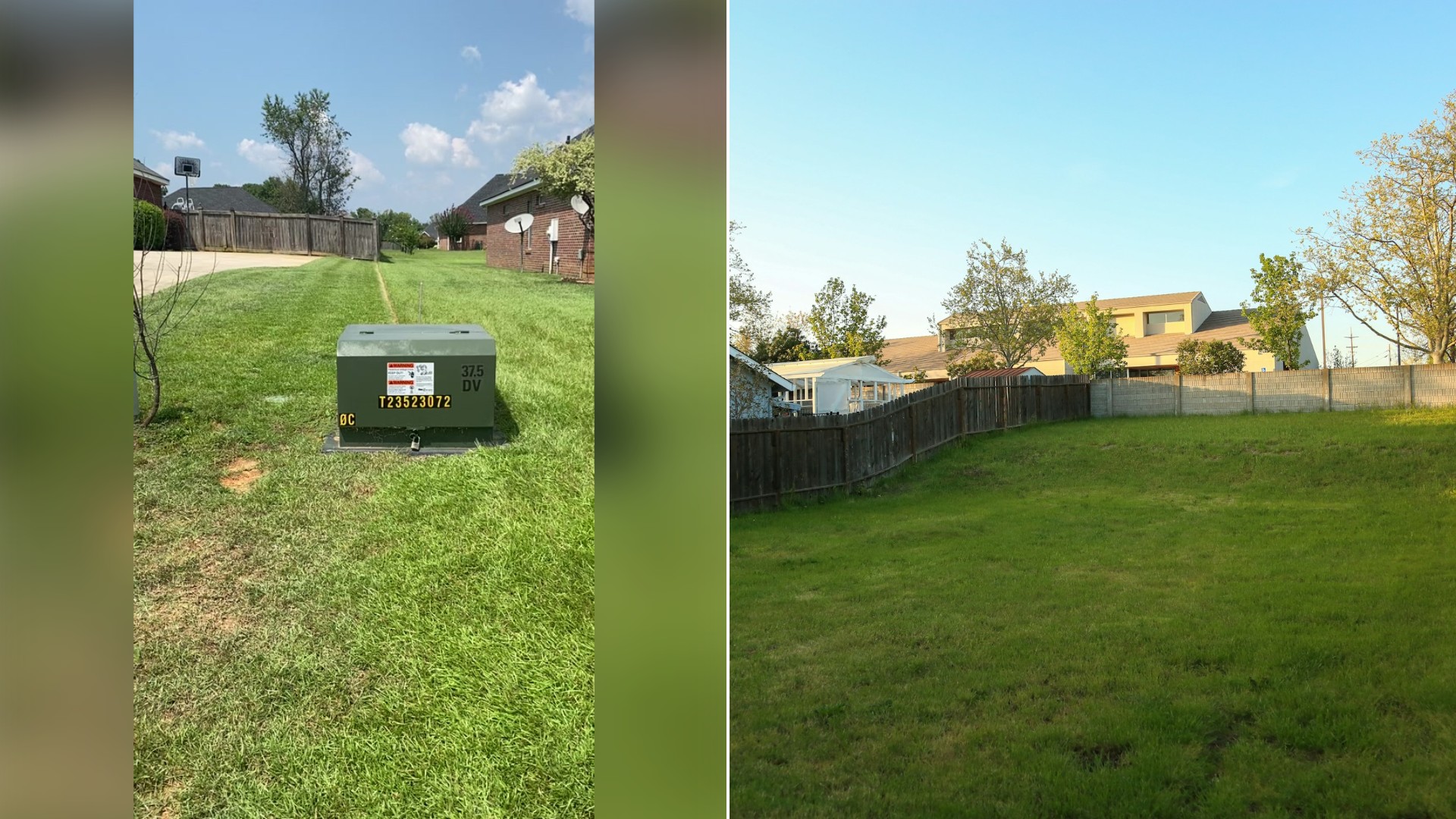
The landscaper behind @yardsandstuff shared the story under a simple caption: a dispute with a neighbor over a property line. He opens with a line any homeowner can relate to. This is what he is dealing with today, and in all the time he has been there, he has never had an issue with the property line whatsoever.
@yardsandstuff
Never An Issue, Until Now
According to the creator, the neighbor had his land surveyed for whatever reason, and once the survey was done, he started fussing. The complaint was that the creator had cut a little bit, three inches, over onto the neighbor’s side of the line.
Three inches is not much. It is about the width of a hand. But a fresh survey has a way of turning small habits into big discussions, because it replaces guesses about where the boundary sits with a measured line that nobody can easily argue with. Edging along a driveway, a fence or a flower bed often drifts a bit over time, and it can go unnoticed for years until someone checks the exact boundary.
The String Line Fix
Rather than argue, the creator took action. He went out and pulled a string line from the fence to just inside the neighbor’s property pin, which is the marker that shows where the boundary is. Then he cut a new edge along that line.
His reasoning was simple. Cutting the edge in this way means he will not have to worry about the issue in the future. By staying just inside the pin, he stays on his own side of the line, and the boundary is now marked clearly in the grass.
A string line is a classic trick for anyone who has to cut a straight edge. Pulled tight between two fixed points, it gives you a guide to follow so the edge does not wander. In this case, it also serves as a way of keeping the peace.
What A Property Pin Is
A property pin, sometimes called a survey marker or a boundary marker, is a metal rod or similar marker that a surveyor places at the corners of a lot. It shows exactly where one property ends and the next begins. Pins are often set in the ground and may sit just below the surface, so they can be hard to spot without a metal detector.
If you are not sure where your boundary lies, a licensed surveyor can locate or replace the pins and mark the line for you. Your county records office may also have a copy of the plat for your lot, which is the official map of the property.
Why Three Inches Gets People Worked Up
It may seem silly to argue about three inches of edging, but boundary disputes are rarely about the inches. They tend to be about respect, about feeling that a neighbor has crossed a line, or about a sudden change in a relationship that had been peaceful. When one side orders a survey, the other can feel as though the friendly arrangement has been replaced by a legal one.
At the same time, the neighbor has a point. A boundary is a boundary, and owners are entitled to know that their land stays theirs. Letting small encroachments pass for years can sometimes create bigger questions down the road, which is one reason some people speak up quickly.
What To Do If A Neighbor Raises A Boundary Question
If a neighbor brings up the property line, a few steps can keep things from getting out of hand.
- Stay calm and listen. Ask what the neighbor found and whether you can see the survey.
- Locate the pins. Find the markers yourself, or hire a surveyor to confirm where they are.
- Fix it quickly. If your edging, fence or plants have crossed the line, adjusting them early is usually the simplest solution.
- Keep it friendly. A short, polite conversation or note goes a long way compared with an argument over the fence.
- Put important agreements in writing. If you and your neighbor agree on something about the line, write it down.
Keeping The Peace For The Long Haul
The creator’s approach is a useful model. He did not escalate or ignore the complaint. He found the pin, ran a string line and cut a clean edge on his own side. That kind of quick, practical response often ends a dispute before it grows.
It also pays to think ahead. When you edge, mow or plant near a boundary, keep a small cushion on your side. Leave a few inches of room so that you never have to wonder whether you have drifted over. And if you plan a fence, a patio or a garden bed near the line, check the boundary first.
The Small Lesson In Three Inches
This story is a reminder that even good neighbors can end up in a disagreement after years of peace. A survey can change how both sides see a lawn they have lived beside for a long time. But a calm response, a string line and a little room to spare can settle a lot of tension.
For anyone with a yard, the takeaway is simple. Know where your property pins are, give the line a little respect, and fix small problems fast. Three inches is a small thing to fight about, and a smaller thing to fix.
More Stories You May Like
- Charleston Family Bought a Home That Passed Its Termite Inspection, Then an Expert Found an Active Infestation and Major Damage the Report Never Mentioned
- Couple Renovating a Fixer Upper Knew Something Was Off About One Wall, and When They Finally Opened It They Found a Massive Termite Nest Instead of Insulation
- Homeowners Find A Hidden Box In Their Attic Wall With A Key Rattling Inside A Mirror And Open It To A Burnt Ouija Piece And A Lock Of Hair
Leave a Reply