You found the house, the offer was accepted, and now comes the home inspection, the step meant to tell you what you are really buying. Many buyers treat it as a box to check. They book the cheapest inspector, skip the extras, and send a friend to meet the inspector because the day is busy. Then the keys change hands and a problem nobody mentioned shows up in the first rainy season.
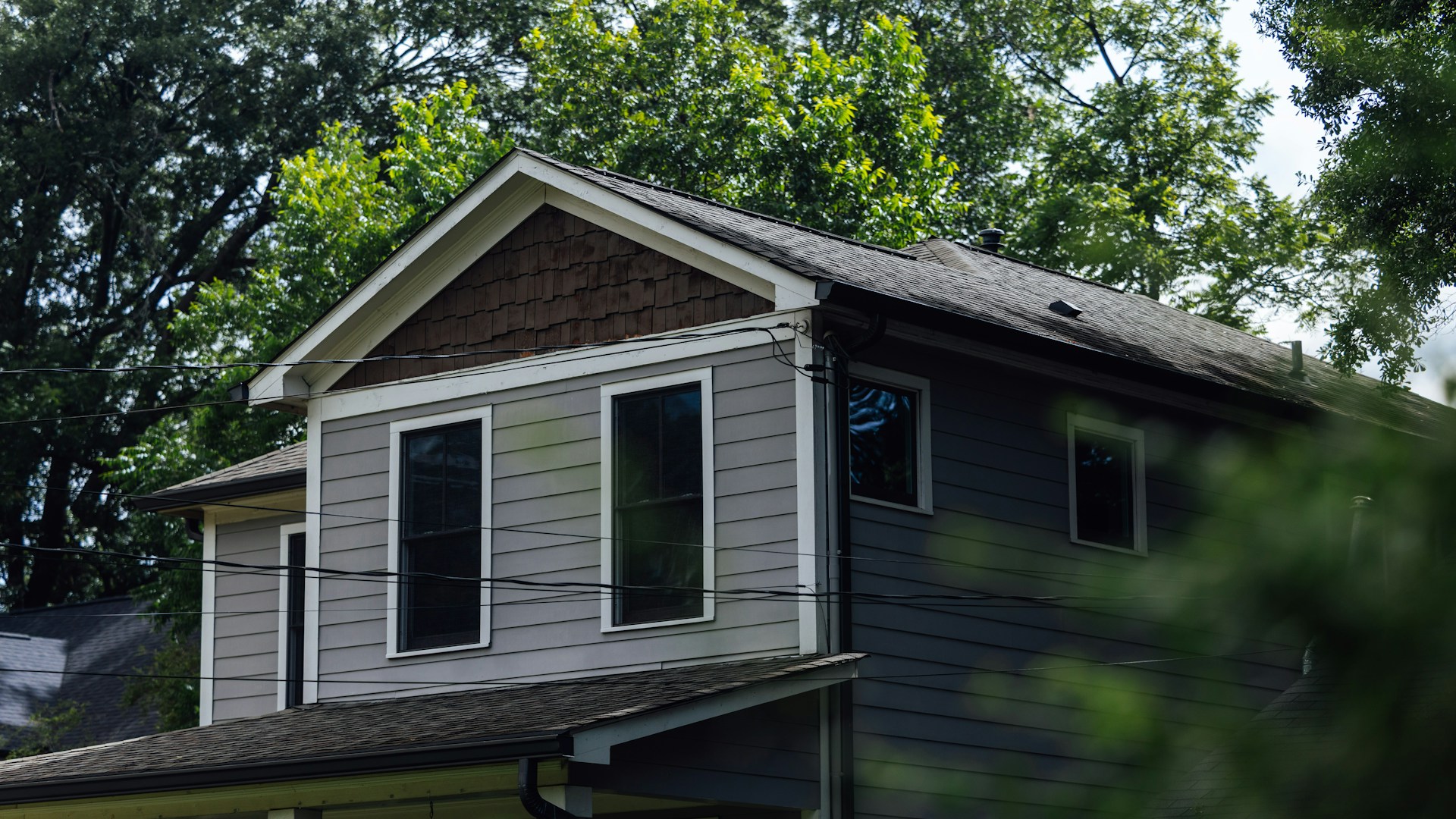
Three common shortcuts cause a lot of that regret: skipping the sewer line scope, brushing past the roof and crawlspace, and not attending the walkthrough. None of them are glamorous, and all of them are worth a second look before you sign off on a purchase.
An Inspection Is Not a Guarantee
The first thing to understand is that a standard home inspection is a visual look at the parts of the house the inspector can reasonably see and reach on that day. It is a snapshot, not a promise. Inspectors also differ in what they include. One may climb on the roof and crawl under the house as a matter of routine; another may look from the ground or skip a space that seems tight or unsafe.
That is why the most useful question you can ask any inspector, before you hire them, is simple: what do you not inspect? Ask to see a sample report and the written agreement. Look for the section on exclusions and limitations. If a part of the home matters to you and the inspector does not cover it, you can hire a specialist for that piece rather than assuming it was checked.
The Sewer Line You Never See
The line that carries waste from the house to the street or septic system is buried, out of sight, and easy to forget. It is also expensive and disruptive to fix when it fails. Older homes, homes with large trees nearby and homes with a history of slow drains are common places for trouble, though problems can turn up anywhere.
A sewer scope is an inspection in which a small camera is sent through the line so a technician can look at its condition. It is usually an add-on, not part of a basic inspection, and it often costs extra and may be done by a separate company. Many buyers skip it because the house looks fine and the budget feels tight. The trouble is that a line can look fine on the surface and still be cracked, blocked by roots or sagging underground.
If you skip it, you are accepting that risk. If you do it and the scope finds a problem, you gain something valuable: information while you still have room to negotiate repairs, a price change or a way out, depending on your contract.
The Roof Matters More Than Its Looks
A roof can look decent from the street and still be near the end of its life. Inspectors vary in how they evaluate it. Some walk the surface, some use a drone or binoculars, and some will not go up in wet or icy weather or on steep or fragile roofing. The report should tell you how the roof was examined and what could not be seen.
Ask the inspector how they looked at the roof and whether anything limited the view. Ask how much life they think is left, and what signs of wear they noticed, such as worn or missing pieces, damaged flashing around vents and chimneys, and stains on ceilings below that could suggest past leaks. If the report is vague, consider a roofer’s opinion before you close. Roof replacement is among the larger repairs a homeowner may face, so it is worth knowing where you stand.
The Crawlspace Tells the Truth
If the home has a crawlspace, that tight area under the floor is where moisture, pests, sagging supports and plumbing leaks like to hide. It is also the spot an inspector may skip if access is blocked, the space is very low or conditions look unsafe. When that happens, the report often says so in a line that is easy to overlook.
Read the report for phrases like “not accessible” or “unable to inspect.” Those words do not mean the area is fine. They mean nobody looked. If the crawlspace was not inspected, ask the seller to clear access, or ask your inspector or a specialist to come back. Signs of trouble down there can include damp soil, standing water, musty smells, mold, damaged insulation and wood that looks dark or soft.
Show Up for the Walkthrough
Perhaps the most overlooked step costs nothing at all: being there when the inspector finishes. A written report can be long and full of technical terms. Standing in the home while the inspector points out problems turns it into something you understand.
When you attend, you can see the problem for yourself, which makes it easier to judge how serious it is. You can ask whether something is a quick fix or a major concern, what should be handled right away and what can wait, and how to maintain what the home already has. You also learn where the main water shutoff, electrical panel and other key systems are, which is useful from day one.
Come with questions. Here are some good ones:
- What are the most important items in this report?
- Is anything here a safety concern that should be handled before move-in?
- Which findings call for a specialist, and what kind?
- Was any part of the home not inspected, and why?
- What maintenance should I plan for in the first year?
If you truly cannot attend, ask the inspector for a phone call afterward and read the full report, not just the summary page.
Use What You Learn
An inspection is only valuable if you act on it. Review your contract to understand what options you have after the report comes in, since those vary by contract and by state. Ask your agent or a real estate attorney what your choices are, whether that means requesting repairs, asking for a price adjustment, or walking away within the allowed time.
Prioritize the findings that affect safety, structure, water and major systems over cosmetic items. A loose cabinet door is not a deal breaker. A damaged sewer line, a failing roof or moisture under the house can be.
Spend a Little Now, Ask a Lot
Buying a home is probably the largest purchase most people make, and the inspection is your best chance to learn what you are getting. Scoping the sewer line, asking hard questions about the roof and crawlspace, and showing up in person all take effort and sometimes a little extra money. They also turn a hopeful guess into an informed decision.
Ask what is excluded, get specialists for what is not covered, and listen closely during the walkthrough. A buyer who does those three things will rarely be surprised in the way that skipping them invites.
More Stories You May Like
- Charleston Family Bought a Home That Passed Its Termite Inspection, Then an Expert Found an Active Infestation and Major Damage the Report Never Mentioned
- Couple Restoring An 1888 Home Clears The Attic And Finds A Sewing Machine, A 1920s Chemical Company Ledger And A Glass Display Cabinet
- Inspector Checks a Brand New Home Before the Drywall Goes Up and Finds the Bathtub Filled With Dirty Water, Sawdust and Construction Trash
Leave a Reply