A roof rarely fails all at once. It sends warnings first, usually small ones, and most of those warnings can be seen from the ground or from inside your house. The trouble is that homeowners tend to wave them away. A little stain on the ceiling gets a shrug, a few granules in the gutter go unnoticed, and a curling shingle looks like a cosmetic issue. Then one heavy storm turns a modest leak into a full replacement.
Catching the signs early gives you options. A small repair costs far less than a new roof, and it buys time to plan, compare and decide without pressure. Here is what to look for and what to do when you find it.
Warning Sign One: Curling Shingles
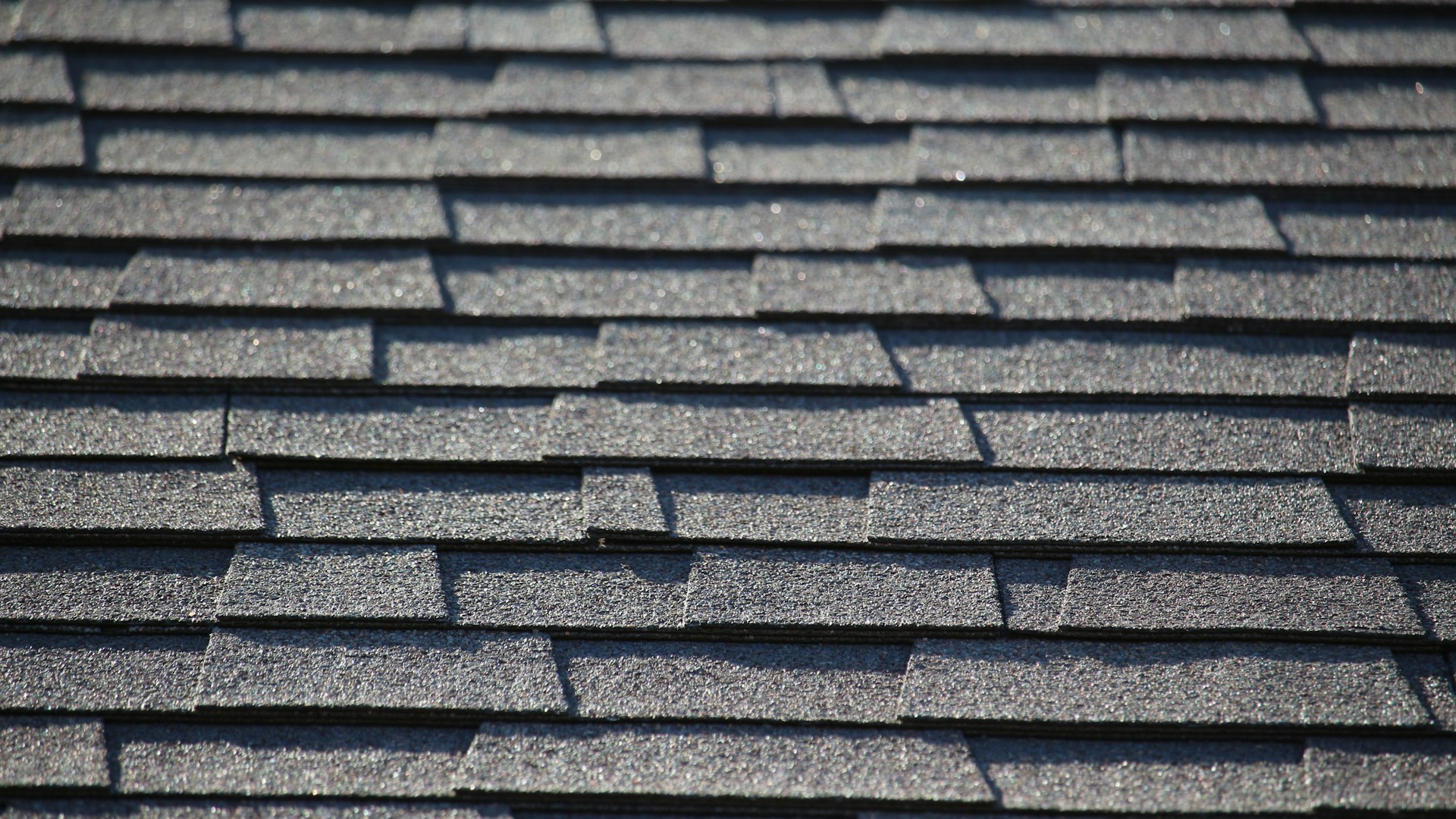
Healthy asphalt shingles lie flat against the roof. When their edges lift, curl up or buckle in the middle, that is a sign they are wearing out or have been affected by heat, moisture or poor ventilation. Curled shingles can catch wind more easily and let water slip underneath them.
You can often spot curling from the yard, especially in the late afternoon when the sun hits the roof at an angle and casts small shadows. Binoculars help. Look for patterns, too. A single odd shingle may be a one time problem, while curling across a whole slope suggests the material is aging.
Warning Sign Two: Granules in the Gutters
Asphalt shingles are covered with tiny mineral granules that protect them from the sun. As a roof ages, some of those granules naturally wash off. A little in the gutter is not unusual, especially on a newer roof. But when you find a lot of them piling up at the bottom of a downspout or in the gutter itself, it can mean the shingles are losing their protective layer.
Look at the roof for bald patches where the granules are missing and the dark base layer shows through. Shingles in that condition wear faster and shed water less well. This is a good reason to check your gutters when you clean them, since what is in there tells a story about what is happening above.
Warning Sign Three: Stains on the Ceiling
A brown or yellow stain on a ceiling is one of the clearest signs of a leak. It may be a faint ring after a rainstorm or a spreading patch that seems to grow. The stain is the water showing you where it has been, though not always where it entered. Water can travel along rafters and insulation before it drops onto the drywall, so the roof damage may be some distance from the stain.
Check the attic if you can do so safely. Look for damp insulation, dark streaks on the wood, daylight coming through the roof deck, or a musty smell. Do this in daylight with a flashlight, and watch where you step so you do not put a foot through the ceiling.
Other Clues Worth Noticing
- Shingles that are cracked, missing or sliding out of place.
- Metal flashing around chimneys, vents and skylights that looks bent, rusted or pulled away.
- Sagging areas along the roofline.
- Moss or heavy debris that holds moisture against the surface.
- Peeling paint or damp spots on walls near the roof edge.
What to Do When You Spot a Problem
Start by documenting what you see. Take photos of the ceiling stains, the gutter granules and any visible damage, with dates. Those records help you track whether things are getting worse, and they can matter if you ever file an insurance claim.
Then have a qualified roofer take a look. Ask for an inspection and a written report that explains what is wrong and what each possible fix would involve. A good contractor can tell you whether a repair is enough or whether the roof is nearing the end of its useful life.
Get Two Written Estimates
If the roofer recommends major work, do not rush. Get at least two written estimates from separate companies, and ask each one to describe the same scope of work so you can compare them fairly. Look closely at what the estimate includes, such as the materials being used, how old material will be removed and disposed of, what happens to the flashing and underlayment, and how long the work is expected to take.
Be wary of anyone who pressures you to sign right away, demands a large payment up front, or knocks on your door claiming to have spotted damage on your roof. A reputable contractor will give you time, put things in writing and be willing to answer questions. Check that the company is licensed where required and carries insurance, and ask for references you can actually call.
Ask, too, whether a repair could handle the problem for now. Sometimes a section of shingles or a failed seal around a vent is the whole story. Other times the honest answer is that the roof is worn out. Hearing both options from more than one professional gives you a clearer picture.
Make Roof Checks a Habit
Walk around your home a couple of times a year and look up. Check after severe weather. Clean your gutters regularly, and glance inside them for granules. Look at your ceilings and the attic from time to time. These small habits cost nothing and can turn a surprise into a manageable repair.
The roof over your head is one of the biggest investments in your home. Pay attention to the little warnings, and you stand a much better chance of fixing a small leak long before it becomes a full replacement.
More Stories You May Like
- Georgia Passes A New Law Requiring HOAs To Register With The State Every Year And Limiting Foreclosures, And Homeowners Are Being Told To Know Their New Rights
- She Had Five And A Half Shelves Of Garden Onions And Two Weeks To Save The Bolted Ones, So She Made Powder, Pickles And Caramelized Onions For The Freezer
- Couple Renovating a Fixer Upper Knew Something Was Off About One Wall, and When They Finally Opened It They Found a Massive Termite Nest Instead of Insulation
Leave a Reply