You find a dark patch on the wall after a leak. It looks awful, so you grab the bleach, scrub it away and feel relieved when the wall looks clean again. A few weeks later, the spot is back. This frustrating cycle plays out in homes everywhere, and the reason is simple. Wiping the surface does not fix what is feeding the growth, and that is moisture.
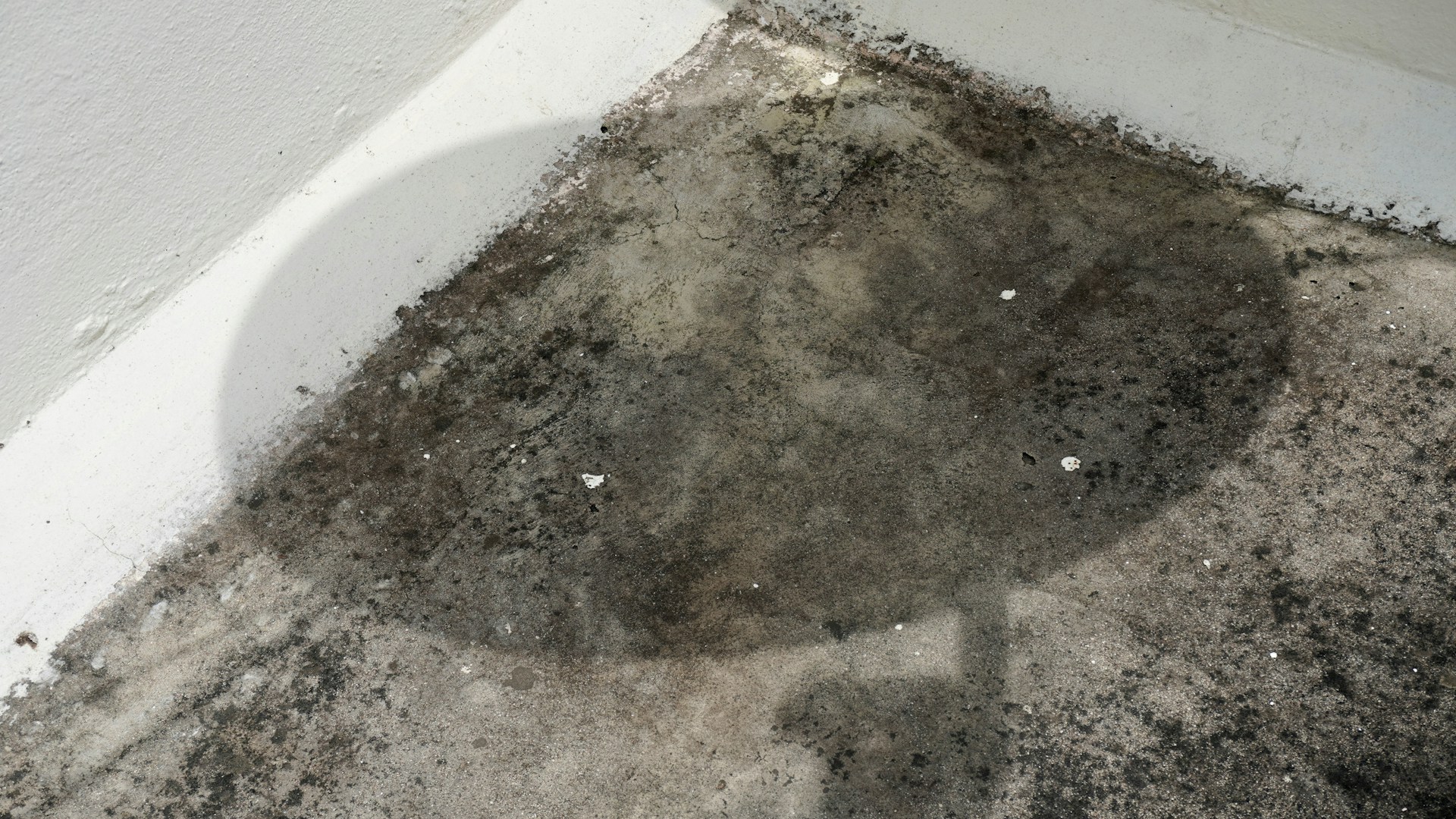
Mold needs moisture to live. As long as the damp source behind the wall is still there, cleaning the visible part is like mopping up while the faucet is still running. Here is what actually works, and how to tell a small spot you can handle from a bigger problem that needs a professional.
Why Bleach Alone Falls Short
Bleach can lighten stains and may kill some growth on hard, nonporous surfaces. But walls are often made of porous materials like drywall, and mold can reach below the surface where a wipe cannot touch. Wiping the top can leave the hidden part behind, and the visible patch returns.
There is a second problem. The stain you can see may be only a small part of the picture. Behind a painted wall, moisture can spread through insulation, wood framing and the back of the drywall without any sign on the front. By the time a spot appears, the damp area may be larger than it looks.
The real fix is to find and stop the moisture, dry everything out thoroughly and then deal with the growth itself. Skip the first two steps and the third will not last.
Step One: Find the Moisture Source
After a leak, the source may be obvious, like a burst supply line or a failed seal. Sometimes it is slower and harder to spot. Look for these clues:
- A leaking pipe or fixture inside the wall, under a sink or above a ceiling.
- A roof leak or damaged flashing that lets rainwater in.
- Gaps around windows or doors that allow water to seep in during storms.
- High humidity in a bathroom or laundry area with poor ventilation.
- Condensation on cold surfaces such as windows, pipes or exterior walls.
- Water that is pooling against the foundation outside and moving inside.
If you cannot find the source, a plumber or a home inspector can help track it down. Fixing the source comes first, because everything else depends on it.
Step Two: Dry It Out Completely
Once the leak is repaired, the area needs to dry fully. Open windows when the weather allows, run fans and use a dehumidifier to pull moisture from the air. Materials that stay damp can support new growth, so patience matters. Porous items that were soaked, like soft insulation or damaged drywall, may need to be removed and replaced instead of dried.
Speed counts. The sooner a wet area is dried after a leak, the better the chances of preventing growth in the first place. If a leak was large, or water sat for a long time, consider calling a water damage professional who has equipment to dry out walls and floors properly.
Small Spots Versus Widespread Growth
Not every case needs an expert. A small patch of surface growth on a hard surface, like a bit of discoloration on tile grout or a window sill, is often something a homeowner can clean with a household cleaner and a scrub brush once the moisture cause has been corrected. Wear gloves, eye protection and a mask, keep the area ventilated and never mix cleaning products, since combining some of them can release harmful fumes.
Call a professional when the problem looks bigger or more complicated, such as:
- Growth that covers a wide area, or keeps returning after you have cleaned it.
- Mold inside the walls, under flooring or in the ductwork.
- A musty smell with no visible source, which can suggest a hidden problem.
- Damage from a large leak or flood, or water that sat for a long time.
- Materials like drywall or carpet that stayed soaked.
- Someone in the household who is sensitive to mold or has health concerns.
A professional can inspect the area, find the extent of the damage and remove and replace affected materials safely. Ask for a written scope of work, and get more than one opinion if the job is large. Be cautious about anyone who uses scare tactics or pushes you to sign immediately.
A Word on Health
People react to mold differently, and this is not medical advice. If anyone in your home has breathing trouble, allergies or other symptoms they think are linked to mold, talk to a doctor. Keep your attention on the practical side: fix the moisture, dry the space, and handle the growth the right way.
Keep It From Coming Back
- Use exhaust fans in bathrooms and kitchens, and let them run long enough to clear the moisture.
- Fix leaks promptly, even small drips under sinks.
- Keep gutters clear and make sure water drains away from the foundation.
- Use a dehumidifier in damp areas like basements if needed.
- Wipe up spills and wet spots quickly and do not leave damp items piled up.
- Check hidden spots every so often, like under sinks, behind appliances and around windows.
If You Are Buying or Selling
Past water damage and mold can matter when a home changes hands. Rules about what sellers must disclose vary by state, so check the requirements where you live and ask a real estate professional or attorney if you are unsure. Keep records of repairs and professional work, since they can give a buyer confidence and protect you as well.
The lesson is the same either way. A clean looking wall is not the same as a dry, healthy one. Deal with the water, and the mold has nothing left to feed on.
More Stories You May Like
- Plumber With 30 Years Of Experience Says Never Use Type M Copper When Replumbing Because It Causes Pinhole Leaks And The Fix Costs Only $10 More
- Home Inspector Finds A Gas Meter With A Broken Top Held Together With Tape, Then Learns Nobody Ever Called The Gas Company To Fix It
- Former Landlord Says In Some Places Your Security Deposit Is Supposed To Earn Interest, And Tenants Who Never Asked Have Been Leaving Money Behind
Leave a Reply