Cameron Burke owns a real estate portfolio of about $12 million in Oklahoma City and has bought and sold close to 200 properties, so he knows the rules of flipping better than most. That is exactly why he is annoyed with himself. On a flip that was closing the day he recorded his Cameron Burke update, he admits he broke his own rules at the worst possible time, and the profit shrank to just under $20,000.
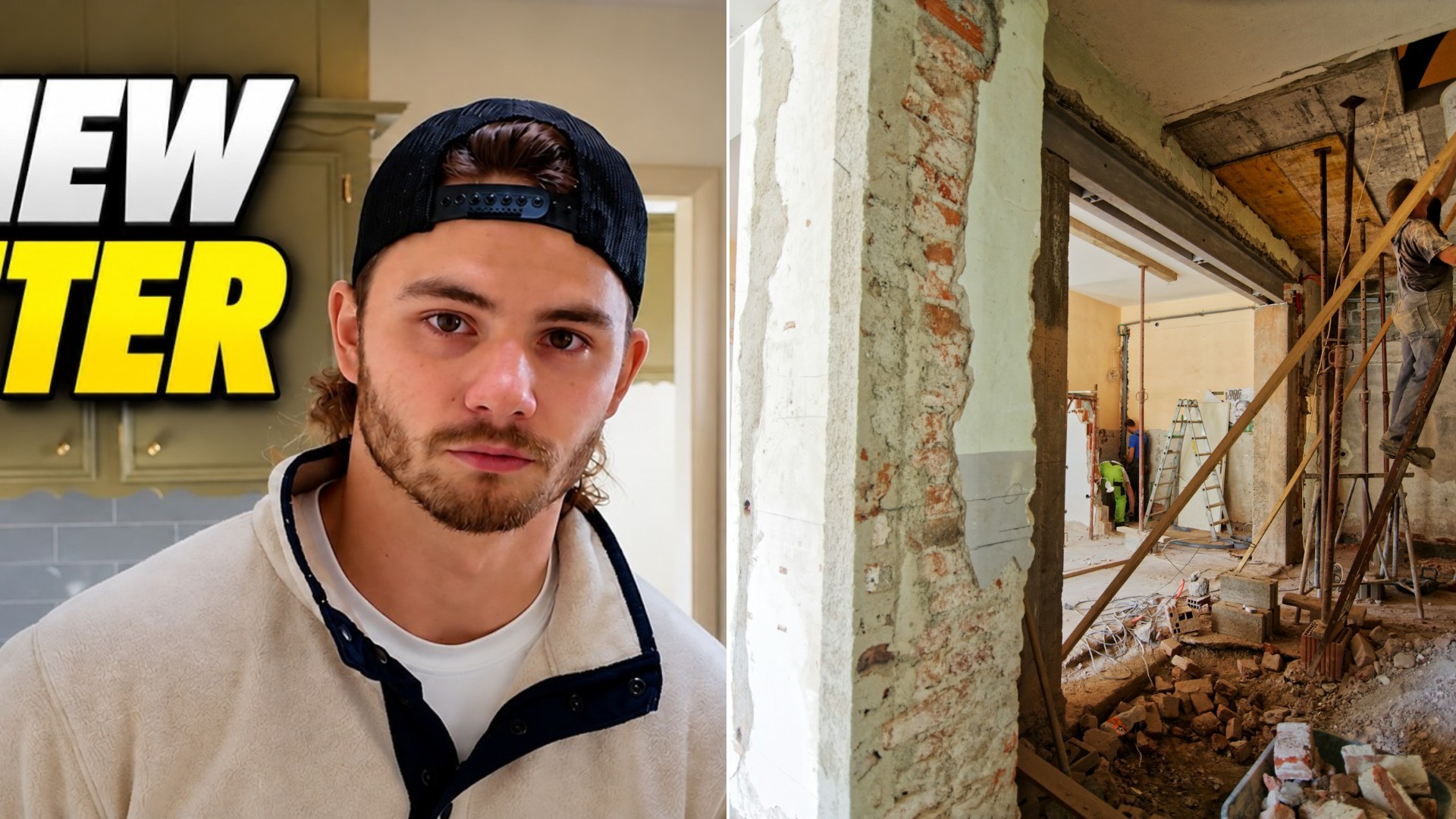
He bought the house on the market for $135,000, about $138,000 out the door. Then, he says, came the mistake: he skipped the inspections. “I knew better,” he says, noting that he tells his viewers all the time to inspect what they buy. He did not get cocky, he explains, just complacent.
A Light Remodel in a Slowing Market
The 1960s home got a light remodel: paint, flooring and some light fixtures, plus a new roof, for about $30,000 total. Some fixtures were replaced and some were not, and the aluminum windows stayed, which he calls one of his big no-nos. He normally swaps aluminum windows for vinyl, especially above a $200,000 price point.
He listed the house in mid August for $215,000, with an after repair value of about $245,000 in his mind. It sat for two weeks with almost no showings. Until the end of the second quarter his flips sold in 7 to 10 days with showings right away, so this was a warning sign. He chose to sit tight, figuring August was a slow season with families heading back to school.
A buyer finally came along and offered $215,000 with about $10,000 in closing costs. He countered at $220,000 while paying the $10,000 in closing, and they accepted.
The Inspection That Changed the Math
Once the house was under contract, the buyer’s inspection turned up what he had skipped. The sewer line, which he never scoped, was shot. The new roof had not been installed correctly. The garage door did not work, and other issues surfaced too. He says that had he inspected before buying, he might not have bought the house at all.
The buyer sent over three pages of repair requests, and he says he realized the buyer held the leverage. He ended up doing about $7,000 worth of repairs to keep the deal alive. A flip he expected to earn closer to $30,000, his minimum target, will now bring in just under $20,000. It is still a profit, he says, but “a huge headache.”
He is grateful the buyer stuck around. They could have walked, he notes, and he is seeing that happen on other investors’ properties, where buyers inspect and leave because there are plenty of other houses to choose from.
His New Rules for Older Homes
The first change involves age. For any property built before 1970, he will now factor in termite treatment. Almost every pre-1970 deal he has done this year in Oklahoma has needed it, he says, and you will probably have termites or find them during the rehab.
The second is to rehab the way he always has, with everything redone and the property priced as the best comparable on the market. Replacing a garage door up front, he points out, is far better than having it surface as a problem later.
Why This Market Is Tougher
He explains the backdrop in plain terms. Homes were not built in big enough numbers between 2008 and 2020, and that shortage is what has kept prices from falling, though supply is creeping up. Still, about 50% of homeowners hold an interest rate of 3% or lower, and they are not eager to trade that for a rate near 7%. The buyers who remain are new buyers and people who have to move.
Days on market are climbing too. He says it would not be unusual for 80 days to be common in a neighborhood, and in that case sellers may simply need to wait. Many investors are panicking and slashing prices, which he says can leave money on the table.
How He Is Protecting Himself
His portfolio runs at about 65% loan to value, meaning for every $65,000 he owes the bank, the property is worth about $100,000. That raises cash flow and keeps his holdings liquid enough to sell below market value or refinance if he needs to. He is not a fan of the BRRRR strategy, which he calls fragile when times get tough.
He is also keeping more properties as rentals, which he says have very low vacancy, and tightening his buy box. In Oklahoma City, where the average price is around $315,000, he targets homes between $175,000 and $220,000 or even $150,000 to $220,000. He sticks to 3 bedroom, 2 bath, 2 car homes under $300,000, or under $350,000 on land. He buys deeper than before: a deal he would have taken at $140,000 three months ago, he just locked up at $120,000.
His Advice for Newer Investors
Burke says buying and selling real estate is still fine for people who are careful. He says now is not the time to learn flipping alone, and anyone starting should have solid reserves or a mentor, though even then there is no guarantee. Investors typically take on debt, so a mistake can put a family in financial distress.
“Know your market,” he says. Study the days on market, inventory, why people are moving, and the average price point, then pick a purchase price that lowers your risk of losing money. He expects some investors to make a lot of money over the next 6 to 12 months and others to lose a lot, and he wants his viewers on the first side. For beginners, he thinks building a rental portfolio is a safer path than flipping right now.
More Stories You May Like
- Business Consultant Says He Wants The Contractor Working On His House To Make A Healthy Profit, And His Reasons Have Homeowners Rethinking The Cheapest Bid
- Home Inspector Finds A Gas Meter With A Broken Top Held Together With Tape, Then Learns Nobody Ever Called The Gas Company To Fix It
- Former Landlord Says In Some Places Your Security Deposit Is Supposed To Earn Interest, And Tenants Who Never Asked Have Been Leaving Money Behind
Leave a Reply