Buying a house is supposed to be the finish line of a long, stressful search. You sign the papers, get the keys and start to settle in. But for one buyer in Austin, Texas, the real surprise came three months after closing, when they found out the house was part of a homeowners association. The buyer’s reaction in a new Instagram reel is short and to the point: so somebody’s getting sued.
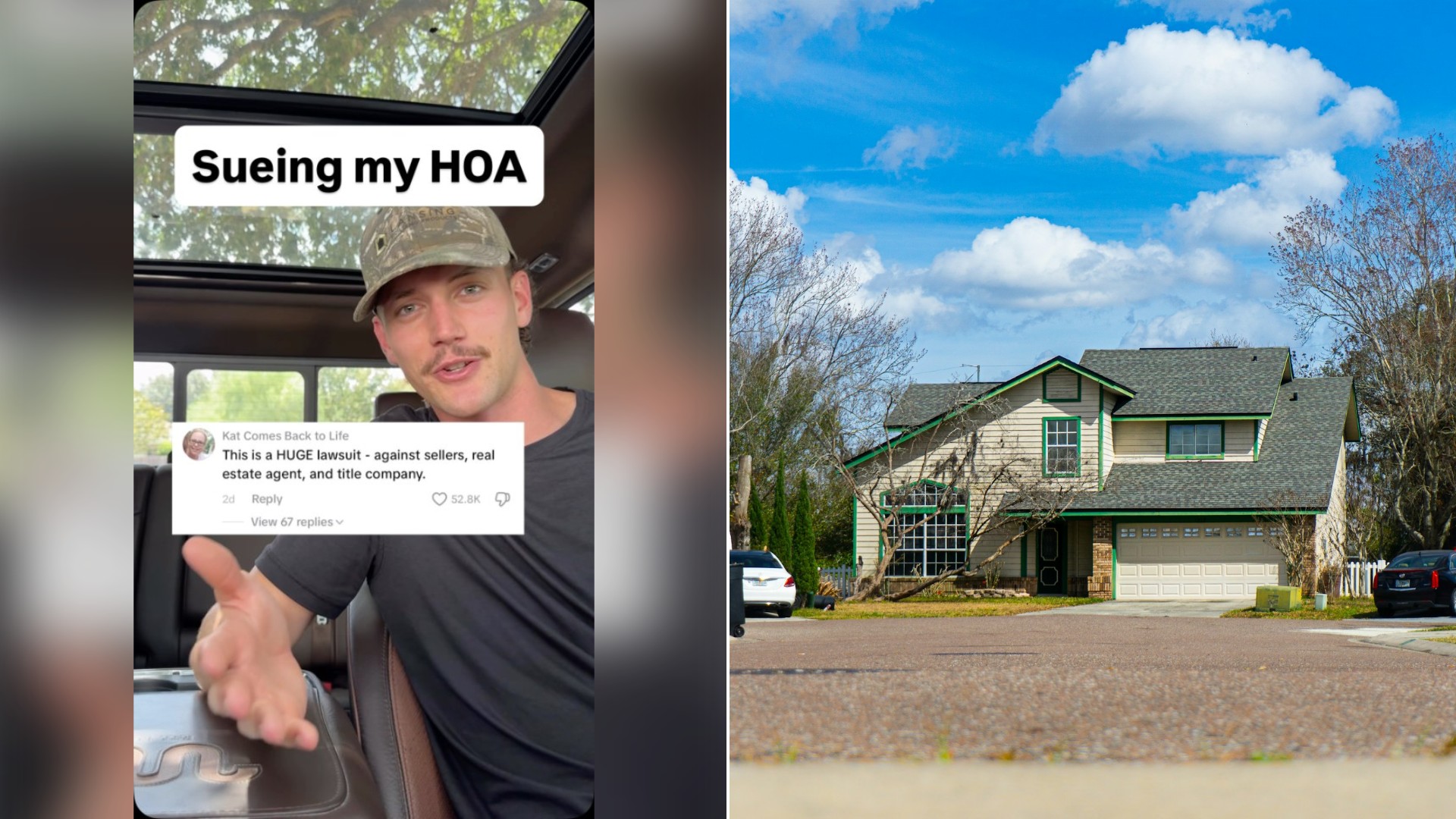
The buyer posts on Instagram as @iamprovolone, and the reel is an update on a story that has clearly been building. It is a good reminder of how much can go wrong with a home purchase when one piece of paperwork goes missing.
View this post on Instagram
What The Buyer Says Happened
According to the reel, the buyer bought a house last year in Austin and three months later learned it was part of an HOA. That is the moment the story turned from a new homeowner enjoying a first year into a legal dispute.
The buyer says they took the advice they were given and hired a lawyer. They also push back on some of the comments they received about general HOA rules. One claim they say is not correct is the idea that if you do not sign the papers, you are not in the HOA. In Texas, the buyer says, this is a mandatory HOA, so when you buy the house, you are buying into it.
The bigger problem, in the buyer’s telling, comes down to two things. First, the buyer says they were not given the HOA documents before closing. Second, the buyer says the seller did not pay the transfer fees. Those two facts, the buyer says, are why this has become such a big issue.
The buyer is careful about what they share. They say they cannot say much right now, but promise to spill all the beans later.
Why HOA Paperwork Matters So Much
A homeowners association can set rules about what you can do with your property, and it can charge fees. That is why most buyers want to know about an HOA before they commit to a house, not months afterward. Dues, rules about paint colors or fences, and restrictions on what you can build can all change how much you enjoy your home and how much it costs to own.
Finding out three months after closing is a very different experience from finding out during the search. A buyer who knows about an HOA can read the rules, compare the dues to their budget and decide whether the neighborhood is right for them. A buyer who finds out later does not get to make that choice.
How To Protect Yourself Before You Close
This dispute is still playing out, but the situation offers some practical lessons for anyone buying a home:
- Ask directly about an HOA. Put the question to your agent in writing: is this property part of a homeowners association? Keep the answer.
- Ask for the HOA documents before closing. If there is an association, you should see its rules and fee information before you sign anything. If you are not given them, ask again and ask why.
- Read every disclosure line by line. Seller paperwork and closing paperwork can include a box about an HOA. If something does not match what you were told, raise it right away.
- Look around the neighborhood. Shared amenities, entry signs, uniform fences and common areas are clues that an association might exist.
- Talk to a neighbor. A friendly chat on the sidewalk can tell you a lot about dues and rules.
- Ask the title company or closing attorney. They handle the paperwork at closing and can answer questions about what is attached to the property.
- Speak to a real estate attorney if something goes wrong. The buyer in this reel hired a lawyer, and for a dispute like this, professional advice is the safest path.
A Cautionary Tale For Every Buyer
The buyer says somebody is getting sued, and that is a claim for the buyer and the lawyer to carry forward, not for the rest of us to judge. But the story points to something every buyer can use: do not assume. The paperwork exists to answer questions like this one, and the time to ask them is before you hand over the money.
It is easy to feel rushed when you finally find a house you love. Sellers want an answer, agents want a signature and everybody wants the deal to close. A few extra questions about the neighborhood and the paperwork can feel awkward in the moment. They are far less awkward than a legal fight later.
If you want to follow the story as it develops, you can find the buyer at @iamprovolone.
More Stories You May Like
- Handyman Shuts Down His Business After Five Years and Hundreds of Jobs and Shares What He Learned
- Plumber With 30 Years Of Experience Says Never Use Type M Copper When Replumbing Because It Causes Pinhole Leaks And The Fix Costs Only $10 More
- Former Landlord Says In Some Places Your Security Deposit Is Supposed To Earn Interest, And Tenants Who Never Asked Have Been Leaving Money Behind
Leave a Reply