
A renter now needs to earn $60,715 a year, or $29.19 an hour working full time, just to afford a modest one-bedroom apartment without spending more than 30% of their income on rent, according to the National Low Income Housing Coalition’s 2026 Out of Reach report. For a typical two-bedroom rental, the figure climbs to $72,238 a year, or $34.73 an hour.
The gap between what renters need to earn and what they actually make is stark. The average renter wage nationally sits at $24.84 an hour, meaning the typical renter falls $4.35 an hour short of affording a one-bedroom apartment and $9.89 an hour short of a two-bedroom, working a standard 40-hour week.
Working Overtime Just to Afford a Two-Bedroom
The report’s authors found that in 49 states, the District of Columbia, and Puerto Rico, a renter earning the average renter wage would need to work well beyond a standard 40-hour week to afford a modest two-bedroom rental home. More than half of all wage earners nationally cannot afford even a one-bedroom apartment on a full-time salary at their current pay.
The report also points to persistent racial disparities in the numbers: Black and Latino workers earn roughly $6.97 and $6.90 less per hour, respectively, than the wage needed to comfortably afford housing, gaps that are wider than those seen among white workers overall.
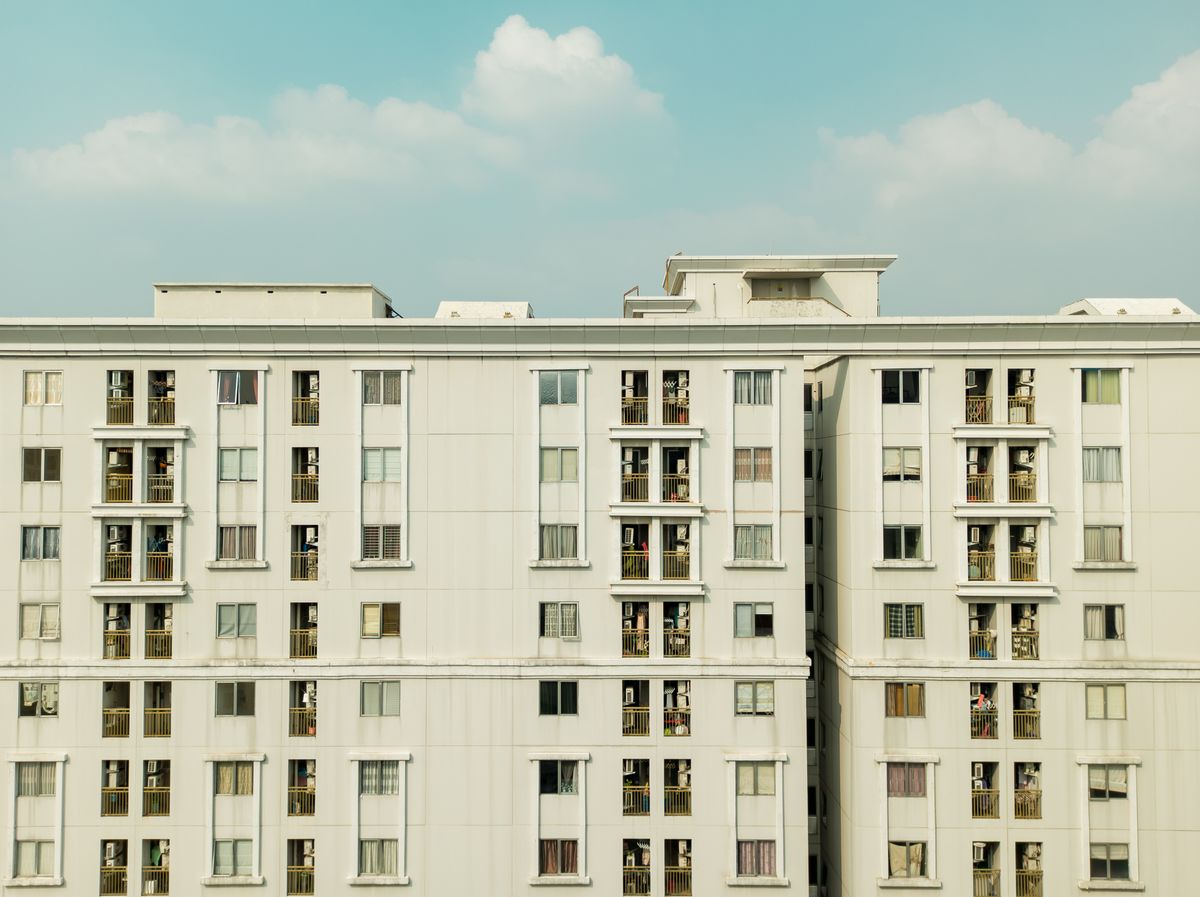 photo credit: unsplash
Some Relief Is Showing Up in the Rent Itself
There is a bit of a silver lining on the rent side of the equation. Zillow’s own research found that the typical U.S. renter household spent 26.4% of its income on rent as of early 2026, the lowest share since August 2021. The typical asking rent nationally was $1,895 in January, with year-over-year rent growth slowing to just 2.0%, the weakest pace since December 2020.
Orphe Divounguy, Zillow’s senior economist, said in the company’s own report that “renters are operating in a very different environment than they were just a few years ago.” Nearly 40% of rental listings tracked by Zillow included some kind of concession, such as a free month or a reduced deposit, a sign that landlords in many markets are competing harder for tenants amid rising vacancies and a wave of new apartment construction.
Why the Two Numbers Aren’t a Contradiction
Softer rent growth and a lower national rent-burden percentage don’t cancel out the income gap identified by the Out of Reach report. Rent growth cooling from a high base still leaves the overall price of housing well above where wages for many renters have caught up to. The relief showing up in Zillow’s numbers is concentrated in markets with heavy new apartment construction, while the affordability gap NLIHC measures is a nationwide, wage-by-wage calculation that doesn’t shift quickly just because rent growth has slowed in a given year.
For a renter earning anywhere close to the national average wage, both reports point to the same practical reality: even with some easing at the margins, a modest one-bedroom apartment remains out of reach on a single average paycheck in most of the country.
Leave a Reply