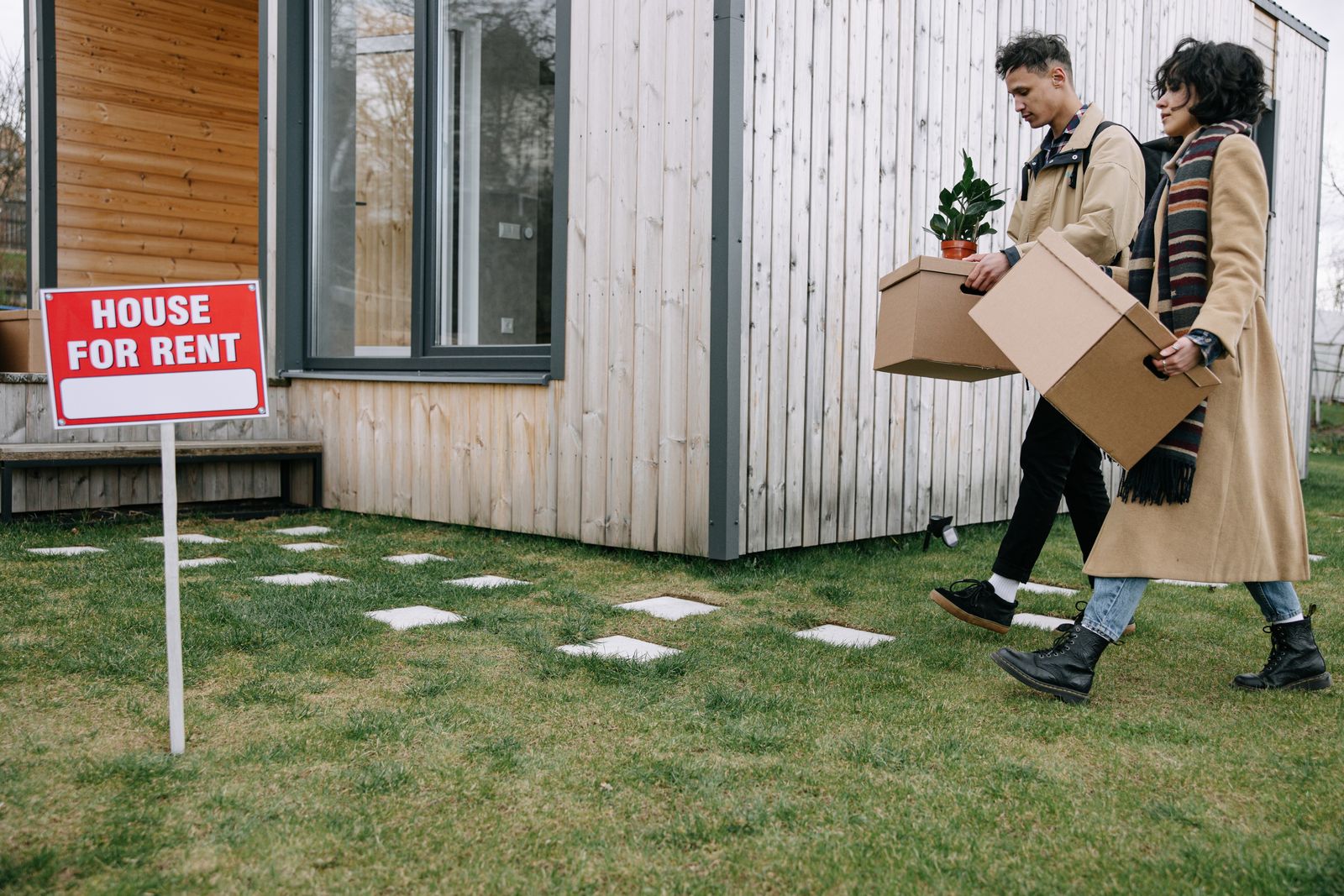
A household now needs to earn $35,232 more a year to buy the typical home than to rent one, according to Redfin’s February 2026 rent-versus-buy report. That gap is actually the smallest it has been in three years. It is also still large enough that, across every one of the 50 largest U.S. metro areas Redfin tracks, renting requires less income than buying in every single one.
For a generation raised on the idea that renting is “throwing money away” and buying is the responsible adult move, that is a strange thing to sit with. The math has not flipped in favor of buying anywhere. It has only gotten slightly less lopsided.
 photo credit: unsplash
The gap, by the numbers
Nationally, Redfin found a household needs about $111,252 a year to comfortably afford the typical home purchase, versus roughly $76,020 to afford the typical rental, a 46.3% premium for buying. The median U.S. household earns $86,185, which lands squarely in the zone where renting pencils out and buying does not.
Even the metros where the math is closest still favor renters. Pittsburgh has the smallest buy-versus-rent gap in the country at 13.1%, followed by New Orleans at 18.4% and Cleveland at 20.8%. In other words, the most “buyer-friendly” major city in America still asks homeowners to out-earn renters by double digits.
The gap narrowed in 49 of the 50 metros Redfin analyzed year over year, a sign that falling mortgage rates and softer home prices are doing real work. Detroit was the lone exception, where the buying premium actually widened, from 27% to 28.2%.
 photo credit: unsplash
A different math depending on what you measure
Not every data set tells the identical story, and that nuance matters. Looking strictly at monthly payments rather than the income needed to qualify, an analysis using Zillow’s home value and rent indexes found renting is cheaper in 27 of the 50 largest metros, with buying still edging out renting in the other 23, largely in Midwest and Rust Belt cities like Chicago, where owning saves buyers an average of $478 a month. San Jose sits at the opposite extreme, where renting beats buying by more than $4,000 a month.
Put those two data sets side by side and the picture is consistent even where the exact numbers diverge: qualifying to buy has gotten harder almost everywhere, even in the pockets where the monthly bill itself might come out roughly even.
What longtime believers are reconsidering
The psychological shift is arguably the bigger story than the spreadsheet. Homeownership has been sold for decades as the default marker of financial adulthood and the surest path to building wealth, and there is real data behind that reputation. Federal Reserve figures cited in the Empower analysis put the median net worth of homeowners at roughly $430,000, compared to about $10,000 for renters, a 43-to-1 gap built up over generations of home price appreciation.
That wealth gap is exactly what makes the current affordability math so uncomfortable for people who always assumed they would eventually buy. The traditional argument for stretching your budget to own has been that the pain is temporary and the payoff is generational. But when the income required to buy runs tens of thousands of dollars beyond what renting demands, in literally every major market, “stretch a little” starts to look more like “restructure your entire financial life.”
Mortgage rates easing, as Redfin economist Grishma Bhattarai noted in the company’s report, may help some people finally make that leap: “Many Americans have been hesitant to jump from renting to buying due to high homeownership costs, but the recent drop in mortgage rates and rise in homebuyer negotiating power may help some take the leap.” That is a reason for cautious optimism, not evidence the calculation has reversed.
The takeaway
What is changing is not whether renting is cheaper than buying right now. It clearly is, almost everywhere, by almost every measure. What is changing is the willingness of people who spent years assuming they would eventually own a home to say, out loud, that the numbers might simply never work in their favor, and that renting indefinitely is no longer the consolation prize it was once treated as.
Leave a Reply