
U.S. foreclosure filings climbed to 227,548 properties in the first half of 2026, a 21% jump from the same period a year earlier, according to ATTOM’s mid-year foreclosure report. Much of that increase is concentrated in Sun Belt markets that were considered some of the safest bets for real estate investors as recently as two years ago.
Nationally, the foreclosure rate now sits at 0.16% of all housing units, or about 1 in every 632 homes, up 28% compared with the first half of 2024.
Where Filings Are Climbing Fastest
The states posting the largest year-over-year increases weren’t the ones with the most total filings. Idaho led the country with a 59% jump, followed by Colorado at 57%, Georgia at 52%, North Carolina at 47%, and Mississippi at 45%.
At the metro level, the reversal has been especially sharp in cities that boomed during the pandemic buying frenzy. Data reported by The Real Deal found that Austin, Texas posted a 199% annual increase in foreclosure activity in April, the highest growth rate among the metros studied, though its overall foreclosure rate remains low at about 1 in 2,000 homes. Raleigh, North Carolina followed at 111% growth, while Jacksonville, Florida saw a 43% annual increase and now carries the highest absolute foreclosure rate among the group, at roughly 1 in 1,691 properties.
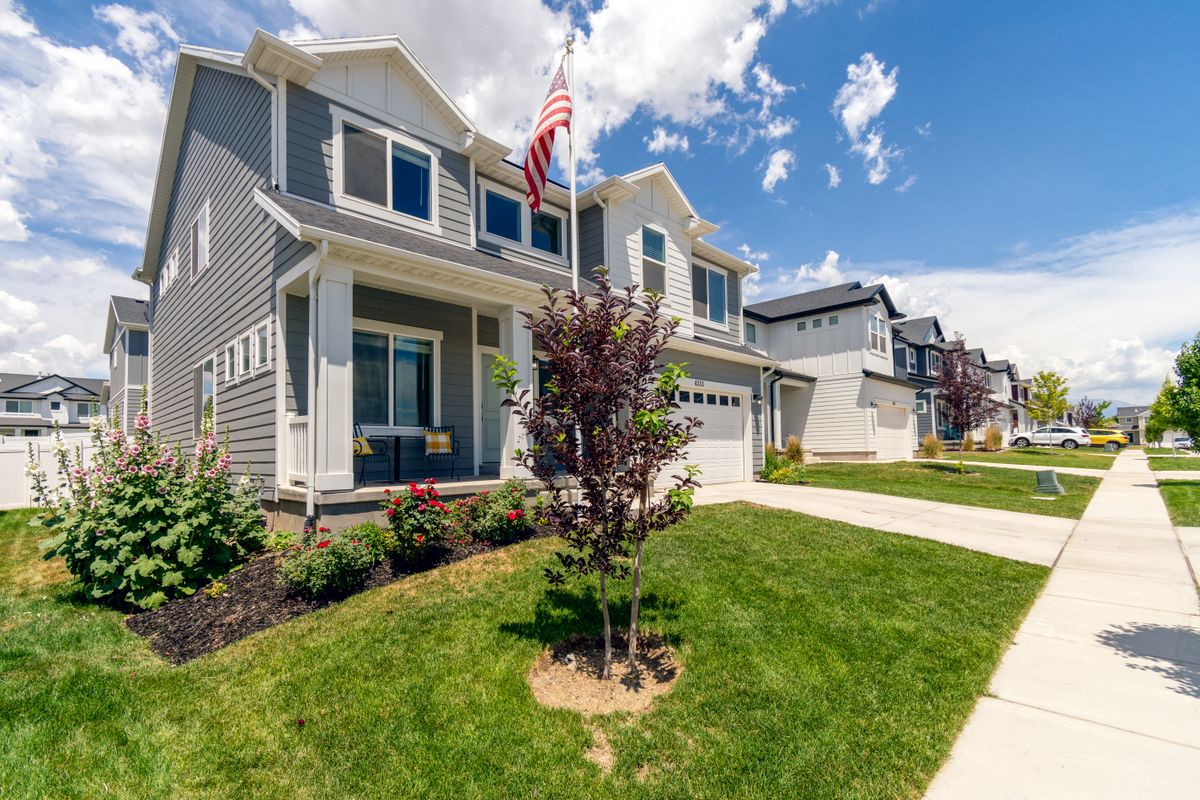 photo credit: unsplash
By the Raw Numbers, Florida and Texas Still Lead
In terms of sheer volume rather than growth rate, Florida recorded 27,494 foreclosure filings in the first half of 2026, the most of any state, with a rate of 0.27%, or 1 in 373 housing units. Texas followed with 22,000 filings, Georgia with 8,433, South Carolina with 6,419, Arizona with 5,412, and Nevada with 2,935.
Why the Sun Belt Is Feeling It First
Many of these markets drew a wave of buyers between 2021 and 2023 who purchased at or near peak prices using low-down-payment loans, particularly FHA financing aimed at first-time buyers. As home values in several of those metros have since flattened or slipped, some of those owners now owe more on their mortgage than their home is currently worth, leaving little cushion if a job loss, medical bill, or other financial shock hits. Rising property insurance premiums and property taxes in hurricane- and wildfire-exposed states have added another layer of monthly cost that wasn’t fully priced in when many of these loans were originated.
Rob Barber, ATTOM’s CEO, struck a measured tone about the trend in the company’s own report, stating that “foreclosure activity continued to increase in the first half of 2026, but the broader picture remains one of a market that is gradually returning to more typical patterns.”
Even so, the geography of the increase is notable. The regions posting the fastest growth in foreclosure filings today are largely the same ones that were pitched to investors as the nation’s most reliable growth markets just a couple of years ago, a reversal that’s forcing lenders and local housing officials to recalibrate assumptions about which markets actually carry the least risk.
Leave a Reply