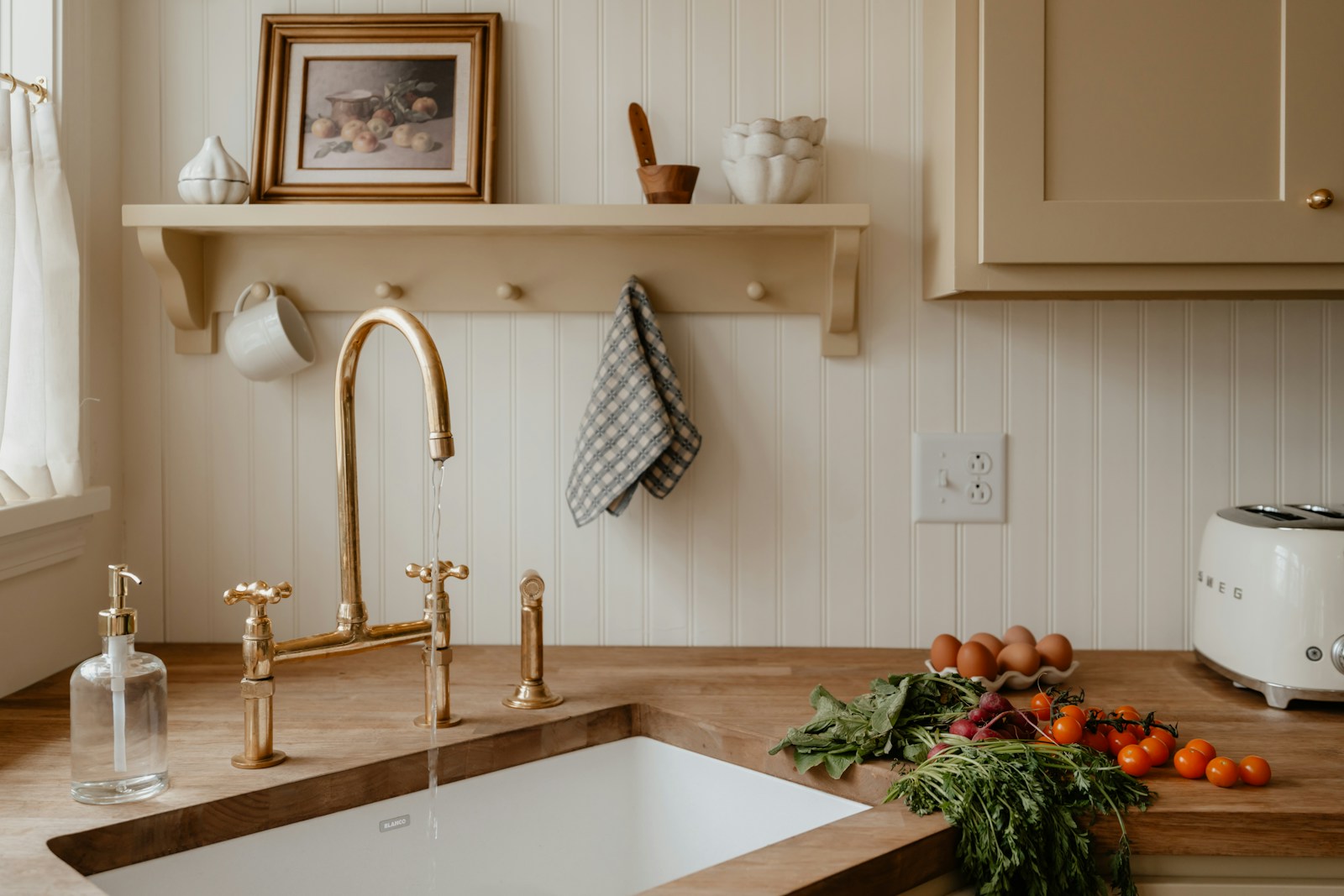

A kitchen backsplash costs $1,000 on average to install, with most homeowners spending between $480 and $1,500 depending on material and square footage, according to Angi’s 2026 cost data. That’s a rounding error next to what a full kitchen remodel runs, and the mismatch in cost tracks almost exactly with a mismatch in what homeowners get back at resale. In national remodeling appraisal data, small, visible kitchen updates consistently outperform big, expensive ones on a percentage-recouped basis, and a backsplash sits right in the sweet spot of cheap enough to matter and visible enough for buyers to notice.
The Real Numbers Behind “Minor Beats Major”
A midrange kitchen remodel, the kind that bundles cabinet refacing, a backsplash, a new sink and hardware, and updated counters for around $27,492, recoups about 96.1% of its cost at resale. A major kitchen renovation costing $79,982 recoups only 49.5%, according to figures compiled by HomeLight from national remodeling appraisal data. Zonda’s most recent Cost vs. Value report pushes the minor-remodel number even higher, putting a minor kitchen remodel’s resale recoup at 112.9% against a job cost of $28,458, per the company’s 38th annual report. Whichever year’s data you use, the pattern holds: spend less, get a higher percentage back.

Why a Backsplash Specifically Punches Above Its Cost
Backsplash tile isn’t tracked as its own line item in national cost-vs-value reports, which measure bundled projects rather than individual finishes, but it’s exactly the kind of update those minor-remodel bundles are built from. Material costs run $12 to $32 per square foot for ceramic, $18 to $42 for glass, and up to $68 for natural stone, per Angi, and for a typical 30 to 35 square foot kitchen wall, even higher-end materials rarely push the total past $1,500 to $2,000. Set that against a major remodel’s near-$80,000 price tag and it’s not hard to see why buyers and appraisers respond to fresh tile, updated cabinet fronts, and new hardware as “the kitchen feels current” without pricing in the cost of a full gut job.
DIY Versus Professional Install Changes the Return Further
Labor makes up a large share of that $1,000 average, running $5 to $20 per square foot on top of materials, per Angi’s breakdown. A homeowner comfortable with tile spacers and a wet saw can cut a $1,000 job closer to $300 to $500 in materials alone, especially with peel-and-stick or simple subway tile layouts that don’t require intricate cuts around outlets and windows. That gap matters for the ROI math: the same visual upgrade at a lower installed cost pushes the effective percentage recouped even higher, which is part of why backsplash updates show up so often in “biggest bang for your buck” renovation advice.
Where the Comparison Breaks Down
None of this means backsplash tile alone guarantees a 100%-plus return. Cost-vs-value data measures bundled minor remodels, not single finishes in isolation, and a backsplash installed against cabinets that are visibly dated or damaged won’t move the needle the way it would paired with the rest of a minor refresh. The lesson isn’t “install a backsplash and profit.” It’s that appraisers and buyers consistently reward one category of project, contained scope with a real visible material change, over big-swing renovations that cost far more per square foot of actual improvement.
Material Choice Affects Both Cost and Buyer Perception
Not every material in that $12 to $68 per square foot range reads the same to a buyer walking through an open house. Classic white or neutral subway tile, the cheapest option in the ceramic range, remains the safest resale choice because it doesn’t compete with a future owner’s taste the way a bold color or pattern might. Natural stone and marble-look porcelain sit at the top of the price range and photograph well for listings, which matters more than it used to now that most buyers see a kitchen online before they see it in person. Trendy choices like colorful zellige tile or dramatic slab backsplashes can cost more and, depending on the market, either become a selling point or something the next buyer budgets to rip out, which is the one variable cost data alone can’t fully capture.
The kitchens that make the most financial sense to update aren’t the ones getting torn down to the studs. They’re the ones getting the $1,000 to $1,500 worth of attention that makes the whole room read as current, which is a much easier number to justify than a five-figure gut renovation with a coin-flip return.
Leave a Reply