Growing a giant vegetable for a weigh-off competition is a months-long gamble, and competitive gardener @pumpkinista_maine just showed exactly how that gamble can go sideways in the final stretch. In a reel posted shortly before a major contest, she documents the moment she discovers that her giant marrow, the vegetable she had been nurturing all season as her entry, has split and cracked open.
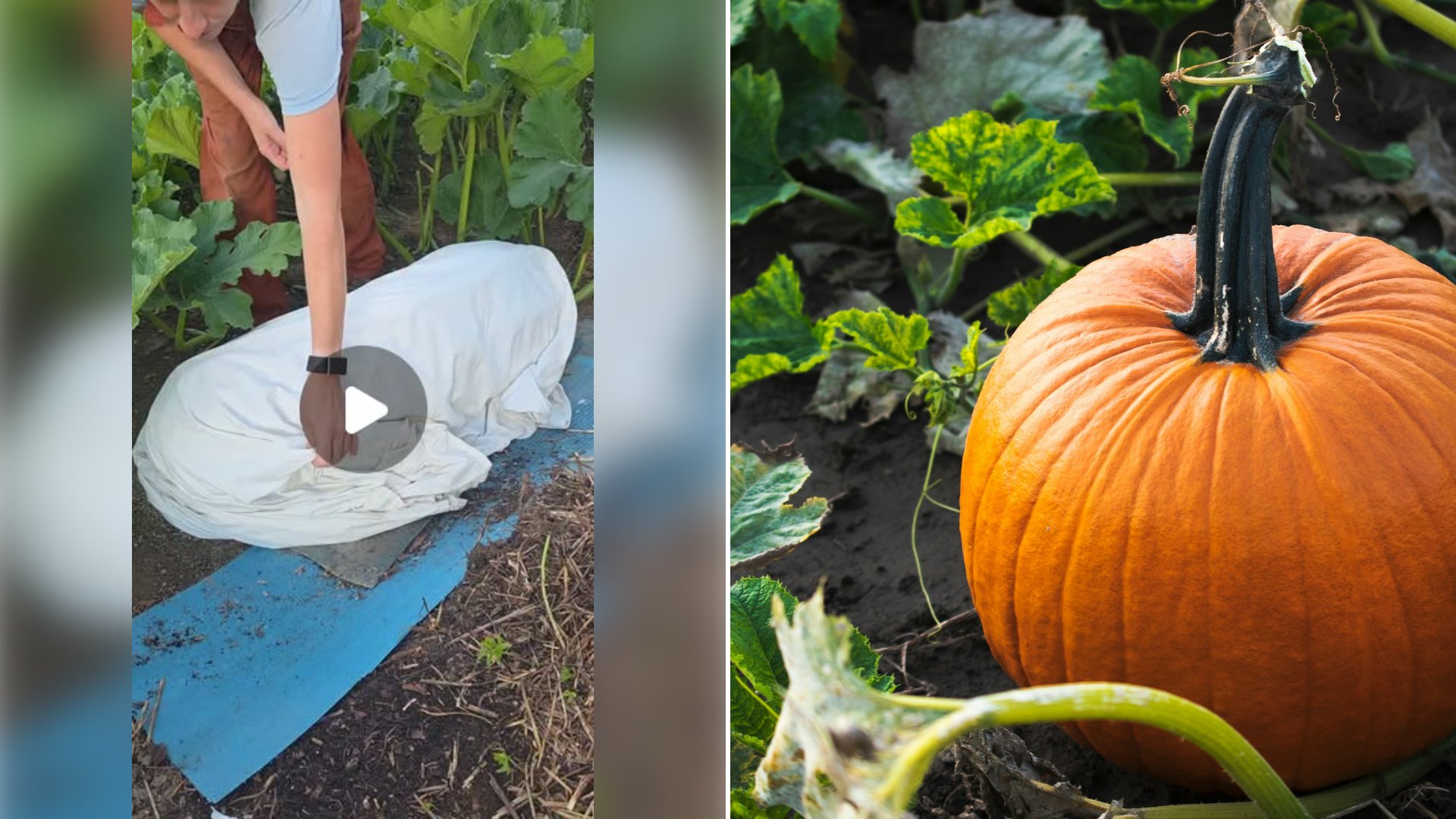
The disappointment is visible and unguarded. Giant vegetable growers put real time, feeding schedules, and protective care into a single specimen with the hope of a strong placing, and a crack this close to weigh-in can disqualify or at least devalue an entry that looked like a contender days earlier. Rather than treat the loss as the end of the video, she uses it to walk viewers through her backup plan for the contest, turning a setback into a transparent look at how serious growers hedge against exactly this kind of outcome.
Giant vegetable growing has a dedicated following precisely because of moments like this one. Unlike a flower bed or a vegetable garden grown for the table, a giant produce entry is bred and tended for a single measurable outcome, usually weight, and a crack, a soft spot, or a stem failure in the final days can undo an entire season in seconds. That tension is part of what makes the hobby, and the videos documenting it, genuinely compelling to watch.
What giant vegetable weigh-offs actually look like
Giant vegetable competitions exist across the country, often tied to state fairs, county fairs, and dedicated giant pumpkin and squash grower associations. The best known category is the giant pumpkin, where top competition entries at major weigh-offs have topped 2,500 pounds, with champion fruit regularly landing in the 2,000 to 2,700 pound range at the sport’s highest level events. Giant marrows and squash, the category featured in this video, are judged the same way a pumpkin is: by weight on a certified scale at an organized weigh-off, with the heaviest intact specimen taking top honors.
Prize structures vary widely by event. Many county and state fair giant vegetable classes award modest cash prizes in the range of fifty to a few hundred dollars for first place, while marquee weigh-offs affiliated with national giant pumpkin growing organizations can pay out considerably more, and in some cases include a per-pound cash bonus on top of a base prize for breaking a state or site record. Beyond the cash, placing well at a recognized weigh-off carries bragging rights within the giant vegetable growing community and can boost the resale value of seeds harvested from a winning specimen, since serious growers will pay a premium for seed stock descended from a proven heavy producer.
Cracking, like the kind shown in this video, is one of the most common ways a promising giant vegetable entry is lost before weigh-in. Rapid growth spurts late in the season, inconsistent watering, and simple structural limits of the plant’s skin as the fruit balloons in size are all common culprits, which is exactly why experienced growers often track more than one promising specimen through the season rather than betting everything on a single fruit.
More from Willow and Hearth
- Neighbor Back From Holiday Finds the Planter She Built to Stop Cars Crossing Her Front Lawn Has Been Moved and Rubber Slabs Laid Down With a Brick on Top
- House Painter Knocks on 10 Doors Offering a Free Paint Job, Finds One Homeowner Who Says Yes, Then Uncovers Peeling MDF Siding, Bees and Four Squirrels Living in the Soffit
- Land Buyer Compares Two 40 Acre Parcels Side by Side and Explains Why the One With a Dirt Road Leading Into It Is the One He Would Never Buy, Because It Is Landlocked
Leave a Reply