Pouring a concrete driveway is one of those jobs that looks simple from the sidewalk and turns out to be a logistical sprint the moment the truck shows up, and @quinnpratt5 captured exactly that pressure in a first-person TikTok that follows a driveway pour from the first wheelbarrow to the moment a neighbor decided enough was enough and called the police.
The clip resonates because it strips away the polished, after-only footage that dominates home content and shows the messy middle: the noise, the timing pressure, the sheer number of hands needed to screed and finish concrete before it sets. Viewers who have never stood near a mixer truck suddenly understand why contractors move with such urgency once the chute starts running.
What makes the police interruption land so hard is the mismatch in stakes. Concrete does not pause for a conversation. Once it is out of the truck, the crew is working against a chemical clock measured in minutes, not hours, and a cruiser pulling up mid-pour forces a kind of tension that scripted renovation shows rarely bother to manufacture because it is simply too real.
It also taps into a very specific, very common suburban friction point: construction noise versus the right to a quiet afternoon. Both positions are legitimate. A homeowner is entitled to finally repair a cracked, decades-old driveway, and a neighbor is entitled to not have a cement mixer running outside their window without warning. The video doesn’t resolve that tension so much as document it in real time.
There is also something quietly educational buried in the drama. Most people never think about who is allowed to pour concrete when, whether a permit covers noise ordinances, or how local municipalities draw the line between construction hours and residential quiet hours. A single phone call turns an ordinary home improvement project into an impromptu lesson in neighborhood law.
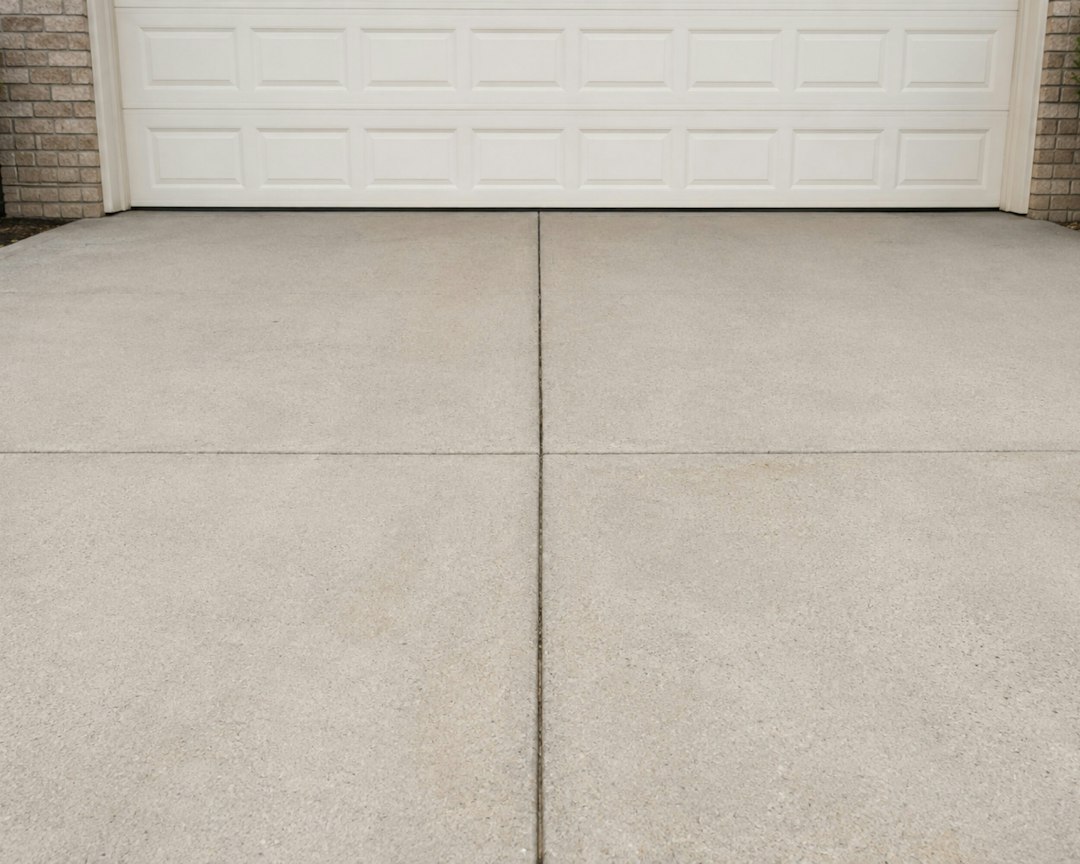
The driveway itself deserves attention too. A fresh concrete pour is one of the few renovations that genuinely changes how a house reads from the street before anyone even walks up to the front door. Cracked, patched, or stained old concrete signals deferred maintenance; a crisp new slab signals care, and that first impression carries weight well beyond the practical function of parking a car.
Social media has quietly become the place where the behind-the-scenes labor of homeownership gets its due. Concrete work, roofing, foundation repair, none of it is glamorous, but creators who document it with a phone propped on a hard hat or clipped to a shirt pocket have built real audiences simply by showing the physical reality of the trades.
The comment sections on videos like this one tend to split predictably: tradespeople defending the urgency of finishing a pour once it starts, and others sympathizing with a neighbor blindsided by noise on a weekday. That split is itself revealing. It shows how differently people weigh the inconvenience of construction depending on which side of the fence, literally, they happen to stand on.
There is also a quieter irony worth sitting with. The homeowner pouring this driveway is almost certainly trying to be a better neighbor in the long run, investing in a property that currently looks unfinished or neglected. The short-term disruption of a single loud afternoon is the price of a longer-term improvement, a trade-off anyone who has lived through a renovation recognizes instantly.
Concrete contractors will tell you that timing is the single hardest part of the trade to explain to someone who has never done the work. There’s no pausing a pour to deal with a dispute, no coming back tomorrow to finish a section, which is exactly what makes a mid-pour police visit so much more disruptive than an interruption to almost any other home project.
It’s also worth thinking about what this video reveals about how home improvement has become inseparable from documentation. A decade ago, a disrupted driveway pour would have been a private frustration between two households. Today it becomes a shared artifact, replayed by thousands of strangers who weigh in on noise ordinances, neighborly courtesy, and the rights of tradespeople doing loud, necessary work.
There’s a case to be made that videos like this one quietly improve neighborhood relations over time, not by resolving any individual dispute, but by normalizing a conversation that too often stays unspoken until someone picks up the phone. Seeing the stakes of a rushed concrete pour laid out publicly might make the next homeowner think to send a courtesy text before the truck ever arrives.
And there’s a simple, durable appeal in watching a trade professional do their job under pressure. Most viewers will never pour a driveway themselves, but almost everyone understands the universal experience of trying to finish something important while an unexpected obstacle threatens to derail it entirely.
The driveway pour also says something about priorities within a single household budget. Concrete work is rarely cheap, and a homeowner willing to spend on it is usually doing so because the old surface had become a genuine liability, cracked enough to pool water, heave with frost, or simply look embarrassing next to a well-kept lawn.
Watching the footage, it’s easy to imagine the quiet calculations happening off camera: how many bags of mix, how many hands, how much daylight left before the pour has to be finished regardless of outside interruptions. That invisible math is part of what gives the video its tension even before the police arrive.
In the end, the video works because it refuses to be tidy. Nobody is clearly right, the pour presumably got finished because concrete does not wait for anyone, and the police visit becomes just another chapter in the long, occasionally comic history of homeowners and their neighbors negotiating the basic terms of coexistence. It is a small moment, but it says a lot about what it actually takes to improve a home in full view of the people living next door.
Leave a Reply