When the gleaming exterior of a restored 1965 Mustang caught the eye of an eager car enthusiast in Texas, it marked the beginning of an exciting new chapter. However, what was meant to be a joyous celebration of classic automotive beauty turned into a puzzling dilemma: does a vintage car really escape modern regulations? The local dealership assured the buyer that the absence of seat belts was acceptable, citing that the car’s creation predates the 1968 mandate for seat belts. Yet, the buyer couldn’t shake off the nagging concern of whether this exemption could lead to possible tickets down the road.
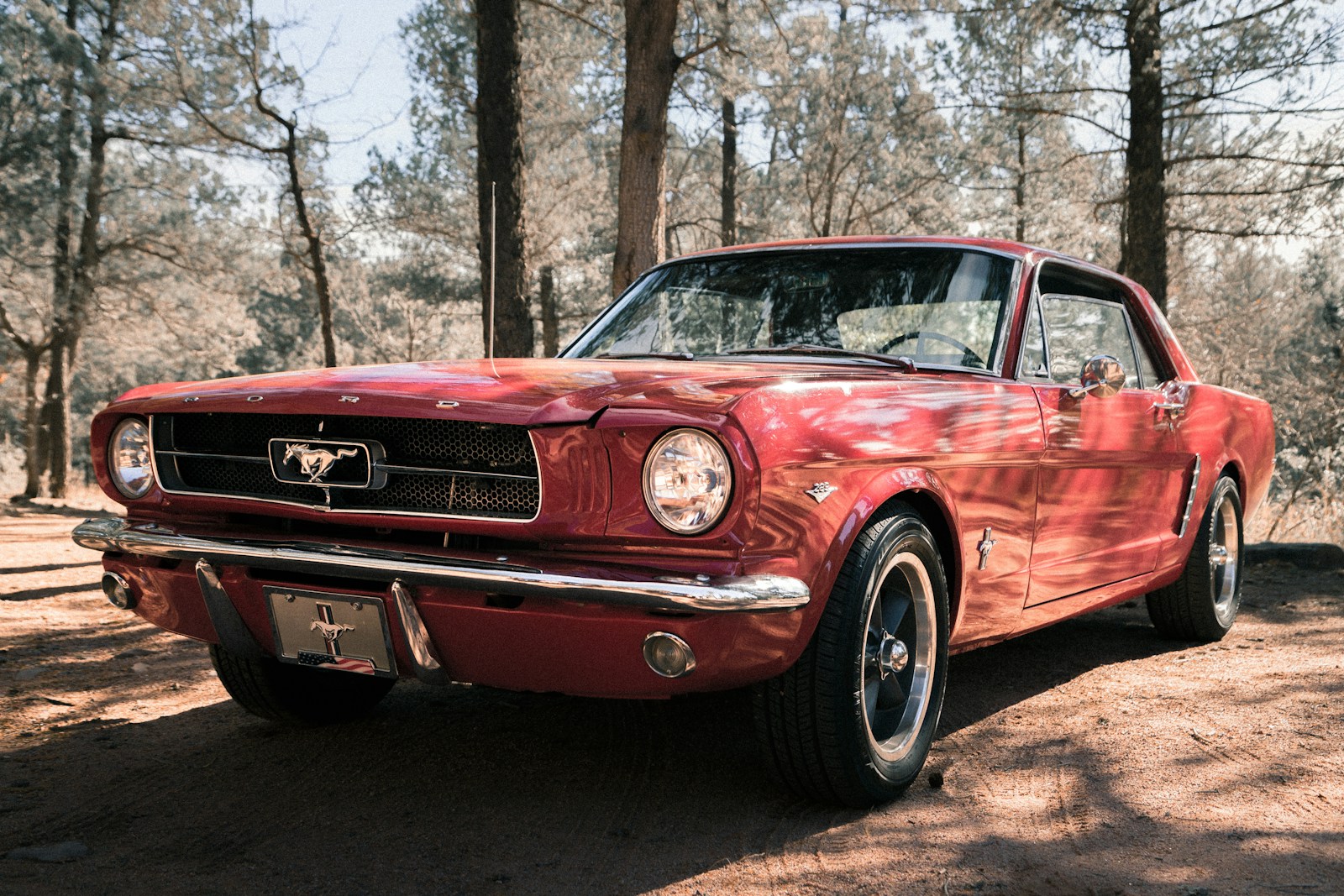
After purchasing the Mustang, the car owner was thrilled to discover the vehicle had undergone a complete restoration. However, during the process, the previous owners neglected to reinstall the seat belts when they replaced the car’s floors. This oversight raised urgent questions about safety standards and legal ramifications related to a classic car’s compliance with current traffic laws.
Upon learning that the car was manufactured before the critical 1968 cutoff, the dealership assured the buyer that they would not face penalties for lacking seat belts. This notion, however, did little to quell the buyer’s concerns. They questioned whether being classified as a “classic” meant that the vehicle was beyond reproach—specifically, whether it could be ticketed for not adhering to modern vehicle regulations. The uncertainty loomed large, especially in a society increasingly focused on safety and compliance.
As the buyer pondered their options, the legal intricacies of driving a classic car became a source of anxiety. While some states may allow older vehicles to bypass modern regulations, local laws can vary significantly. Texas has its own rules regarding vehicle safety that complicate the matter further. The buyer couldn’t help but wonder whether the lack of seat belts could attract the attention of law enforcement, resulting in a citation that would overshadow the excitement of their new purchase.
Although the dealership offered reassurance, the buyer remained skeptical. It was a classic car, yes, but the question of safety lingered heavily in their mind. A classic vehicle should be a source of joy, a nostalgic ride that connects the past to the present, yet the buyer now stood at a crossroad where joy collided with apprehension. Would the thrill of driving this piece of history come at the risk of a ticket from an officer who saw only a lack of modern safety features?
As the situation unfolded, the lack of commentary from the community where this story was shared underscored the solitary nature of the buyer’s quandary. While no one offered immediate advice or insights, it was clear that the primary concern revolved around the potential legal implications of owning a classic vehicle without seat belts. The ambiguity surrounding this issue resonated with many who understand the passion behind vintage cars but also recognize the necessity of adhering to current laws.
Despite the lack of responses, it was evident that others shared a sense of curiosity about the intersection of classic car ownership and modern legislation. The buyer’s dilemma encapsulated a broader conversation about how much we cling to nostalgia while navigating a world that mandates safety. While some may relish the freedom that comes with owning a vintage vehicle, others view it through a lens of responsibility and compliance. The buyer’s journey with the Mustang serves as a reminder that even cherished symbols of the past aren’t always free from the complications of contemporary society.
Ultimately, the buyer’s experience with the Mustang left an unresolved tension in the air. Would they continue to embrace their beloved classic, risking exposure to potential fines? Or would the shadow of legal uncertainty dim the glow of owning such an iconic vehicle? As they pondered these questions, the dream of cruising down Texas roads in a 1965 Mustang remained both thrilling and fraught with unpredictability.
More from Willow and Hearth:
Leave a Reply