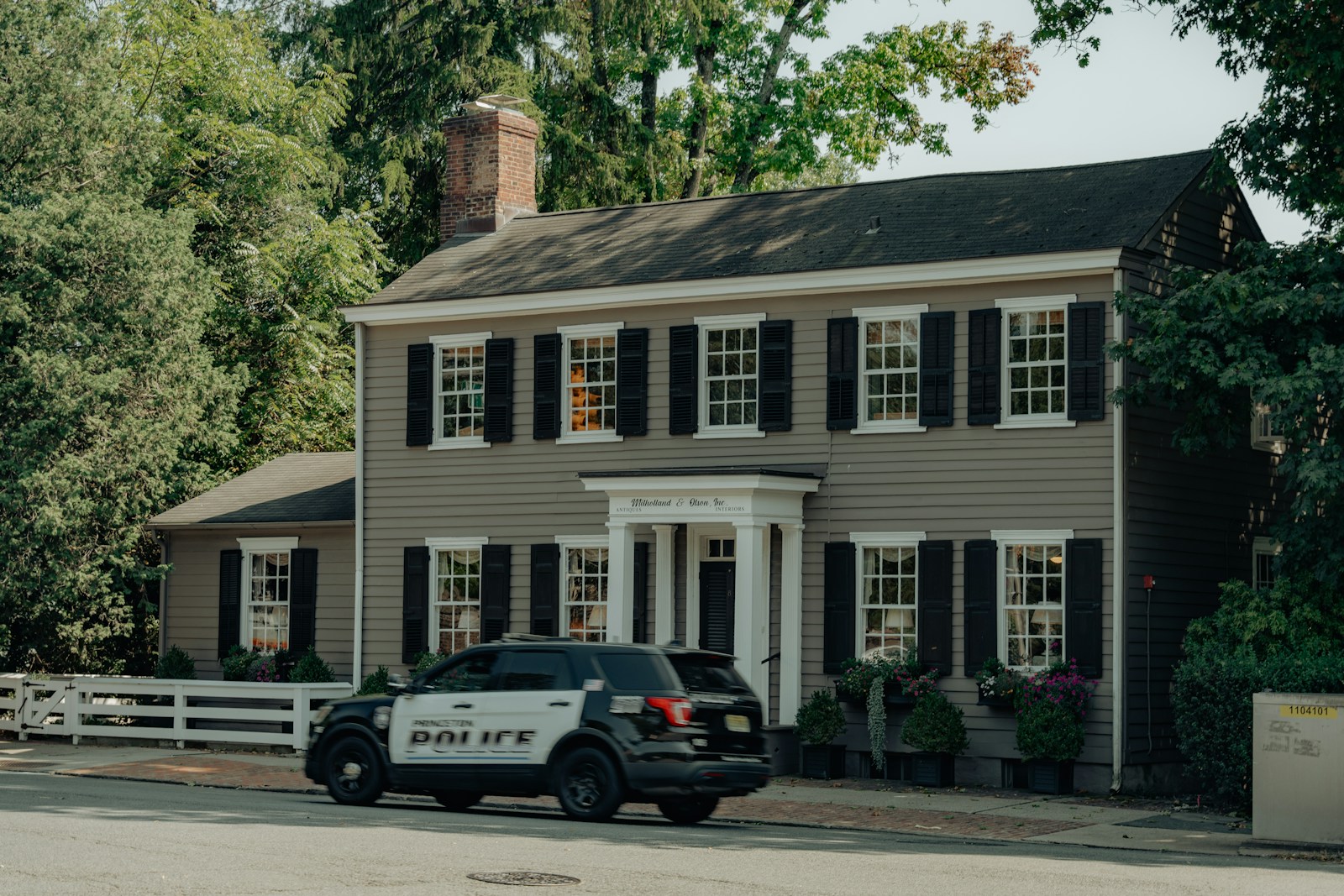
In a scene straight out of a suspense thriller, a quiet suburban neighborhood was rocked awake when police arrived with a bullhorn, demanding residents to “come out with your hands up.” For one family living nearby, the shocking wake-up call led to a front-row seat to a tense SWAT raid on their seemingly ordinary neighbors’ home.
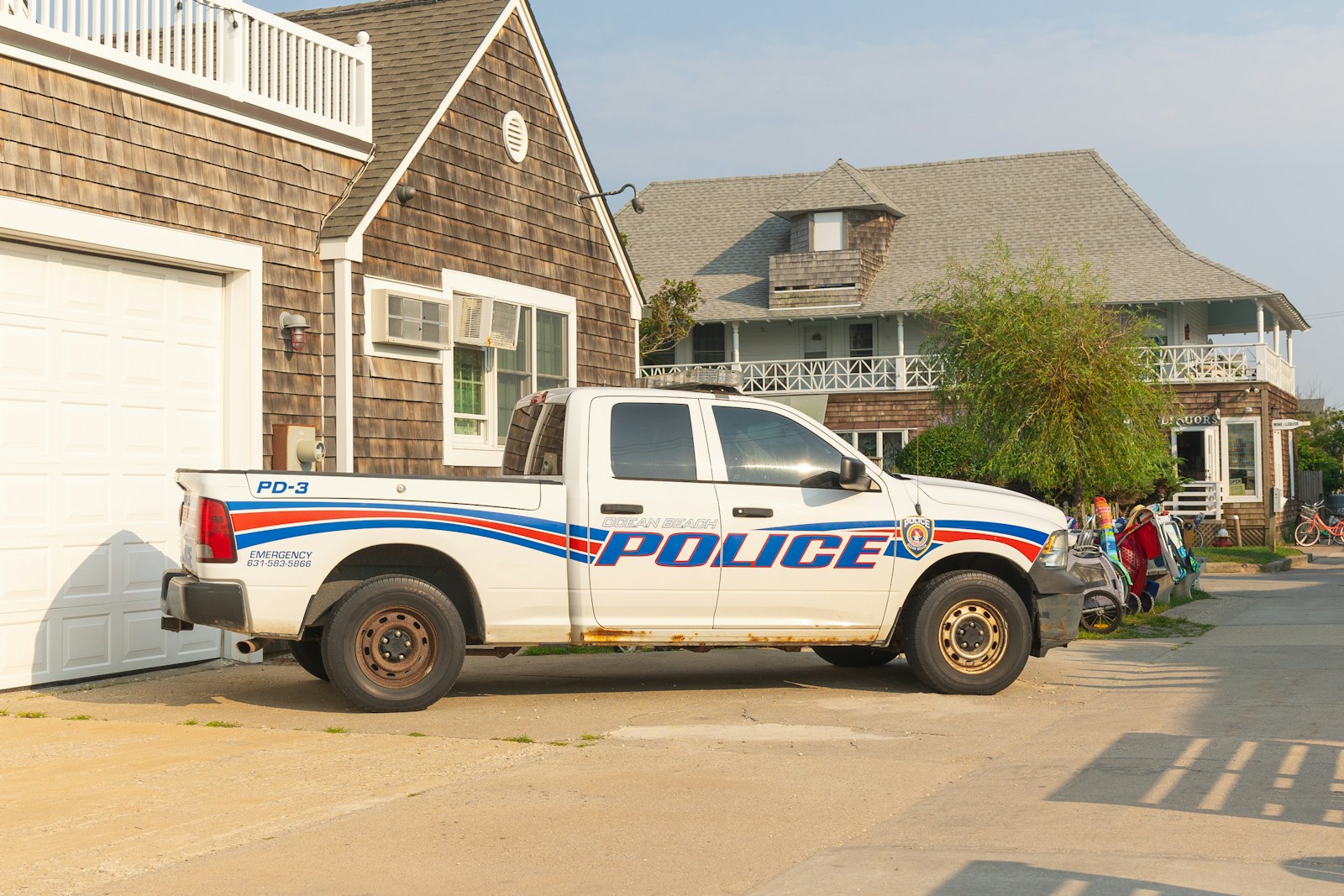
The incident unfolded in the early hours on a recent morning, leaving the homeowner scrambling out of bed to comprehend the chaos outside their window. As they stepped into the brisk air, they found a formidable SWAT team surrounding a nearby house, armed with AR-15s and a battering ram. The police had converged on the residence of a young couple—neighbors who had quietly settled into the community three years earlier with their toddler, known for their unassuming and amiable demeanor.
Reports indicate that the couple had always engaged in friendly exchanges with other families in the area, sharing meals and mingling during playdates. After years of living side by side, the poster had no reason to suspect anything could be amiss. Yet, as police waited for the couple to emerge, the weight of uncertainty hung heavily in the air.
Fifteen tense minutes passed before the neighbors finally stepped outside, greeted by the sight of numerous unmarked police vehicles and the daunting presence of the Internet Crimes Unit. As investigators systematically removed items from the home, including computers, the atmosphere shifted from shock to concern for the couple’s fate and the safety of their family.
For three hours, the neighborhood became a theater of law enforcement action. The chaos left many residents grappling with questions about the couple they thought they knew. “Who were these neighbors?” echoed in the minds of the families living nearby. Would the aftermath of this raid ripple through the community, changing the fabric of their interactions forever?
Days after the raid, the couple was spotted coming and going from their home, seemingly untouched by the turmoil that had erupted at their doorstep. Meanwhile, the homeowner remained puzzled, as no information about the incident surfaced in local news sources. The presence of the Internet Crimes Unit opened a floodgate of anxieties among neighbors, who worried about the implications of such an investigation. Questions swirled: Were they safe in their own homes? What had transpired behind those closed doors?
As the poster watched their neighbors resume normal life, albeit under the shadow of police scrutiny, they decided to maintain a respectful distance. The uncertainty loomed large; neighbors who once shared laughter now stood divided by an invisible wall of suspicion and unease. They were left wondering if their interactions would ever regain the warmth they once held.
In the comments section where the story was shared, readers expressed a blend of empathy and intrigue. Some found themselves reflecting on the unpredictable nature of suburban life, where familiar faces can suddenly reveal hidden complexities. Others indulged in speculation, intrigued by the ramifications of a neighborly facade that might be hiding a darker reality. The mention of the Internet Crimes Unit sparked heated discussions about the possible crimes the couple might be entangled in, while others focused on the unsettling experience of witnessing law enforcement disrupt the peace of an otherwise quiet night.
The incident paints a sobering picture of the disconnect that can exist between a neighborly appearance and hidden truths. With no clear closure at hand, the unsettling experience continues to haunt the community, leaving residents to wonder if they will ever truly know their neighbors. As the homeowner peeks out their window, the once-familiar sight of a toddler playing in the yard now carries an air of apprehension, a poignant reminder that even the most ordinary lives can mask extraordinary secrets.
More from Willow and Hearth:
Leave a Reply