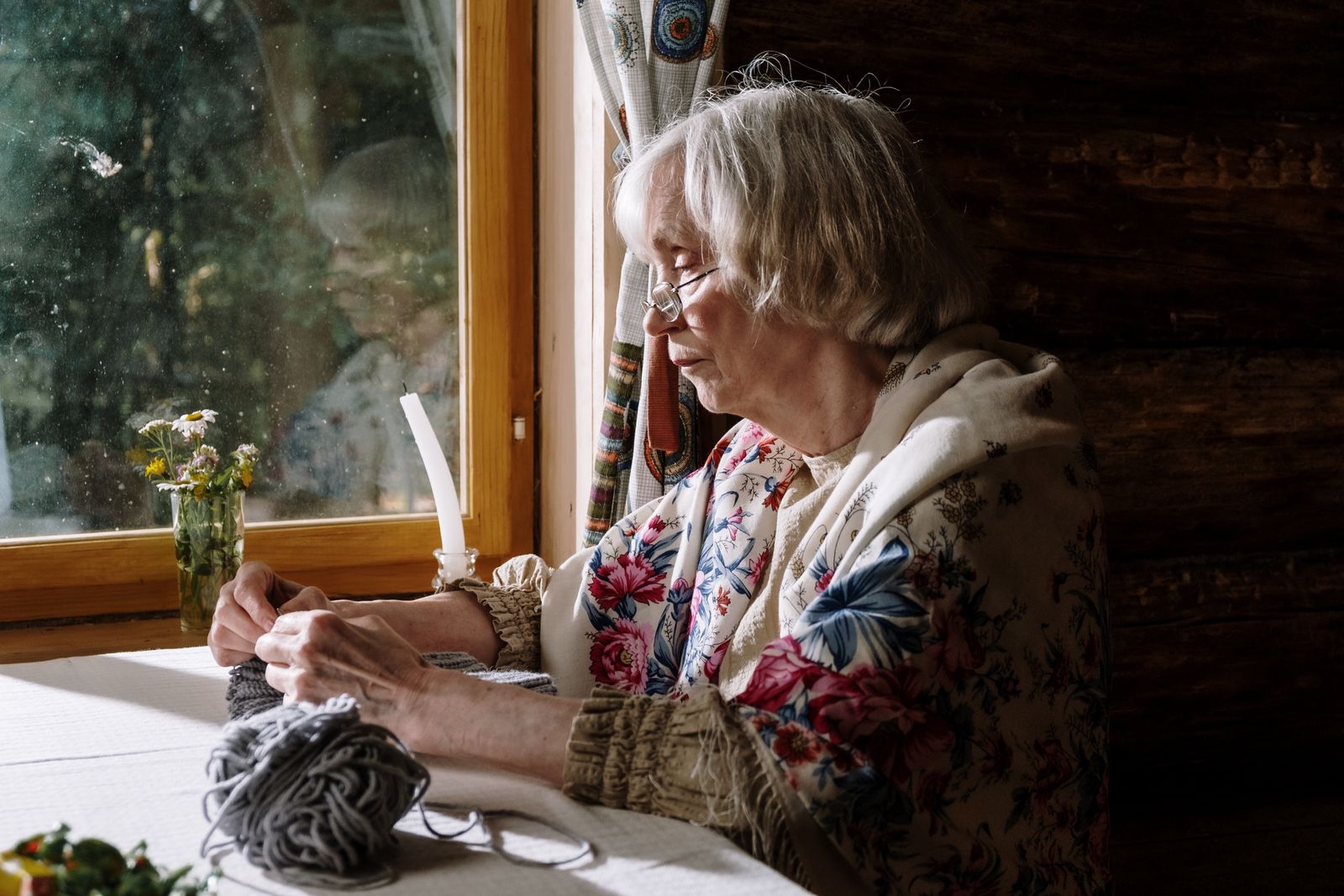
In an unusual family saga, a tenant living with his grandmother suspects she may be sabotaging her own home to prevent him from moving out. After five years of cohabitation, he started making plans to leave, only to find himself caught in a troubling web of strange occurrences around the house. The situation raises questions about family dynamics, love, and the lengths to which some might go to keep loved ones close.

Five years ago, the tenant moved in with his grandmother, who had initially encouraged him to start his own life. Everything went smoothly until he announced his intention to move out—a decision she suddenly opposed. “I’m getting old and need you here,” she declared, seemingly changing her tune overnight. This abrupt shift in her stance left him uneasy, especially as he began to notice a series of troubling incidents in the home.
What began as innocent household maintenance soon morphed into a series of suspicious events. The tenant recalled that just before he decided to fix several significant problems in the house—issues he had saved money to address—new complications arose. “The day after I told her I had the money, she gets it fixed without warning,” he recounted, baffled. This pattern repeated itself; even as visible damage mounted, she seemed to have an uncanny ability to ‘fix’ issues just as he prepared to take action.
Despite her previous insistence on maintaining a well-kept home, the house started showing signs of neglect. Water damage and deterioration began to plague the once manageable environment. It left the tenant feeling as though their familial bond was crumbling just as rapidly as the house itself. Desperate to understand why his grandmother would act in such a way, he reached out to other family members for support. However, their dismissive responses only exacerbated his feelings of isolation. “Well, things happen,” they said, brushing off his concerns as mere coincidences rather than a troubling pattern.
In a twist of familial irony, the tenant found himself not only concerned about his living conditions but also questioning his place within the family. He began to feel like an outsider, suspecting that he might be losing connection with loved ones who should be supportive. The growing rift between him and his grandmother cast shadows on what was once a nurturing relationship.
As the story circulated among readers, many became engrossed in the peculiar interplay between love and manipulation. Some commenters drew attention to the enigmatic nature of the grandmother’s actions, with one suggesting, “It sounds like she’s afraid of being alone, and maybe that fear is driving her to act out.” This notion resonated with others who understood that the complexities of family relationships often hold more layers than what meets the eye.
Other readers focused on the financial implications of the situation. With the tenant planning to move out, some wondered whether enabling his grandmother’s state of denial about the home’s condition only prolonged their shared misery. “Why fix things only when he’s ready to spend money?” another commenter pondered, highlighting the peculiarity of her timing. The contrasting motivations of love and self-preservation in familial bonds ignited various theories about the grandmother’s behavior.
Ultimately, this saga of family ties and peculiar home repairs remains unresolved. Will the tenant be forced to confront the situation more aggressively, or can some understanding be reached between him and his grandmother? The odd occurrences seem to hint at deeper emotions and fears, leaving readers curiously engaged as the story unfolds.
More from Willow and Hearth:
Leave a Reply