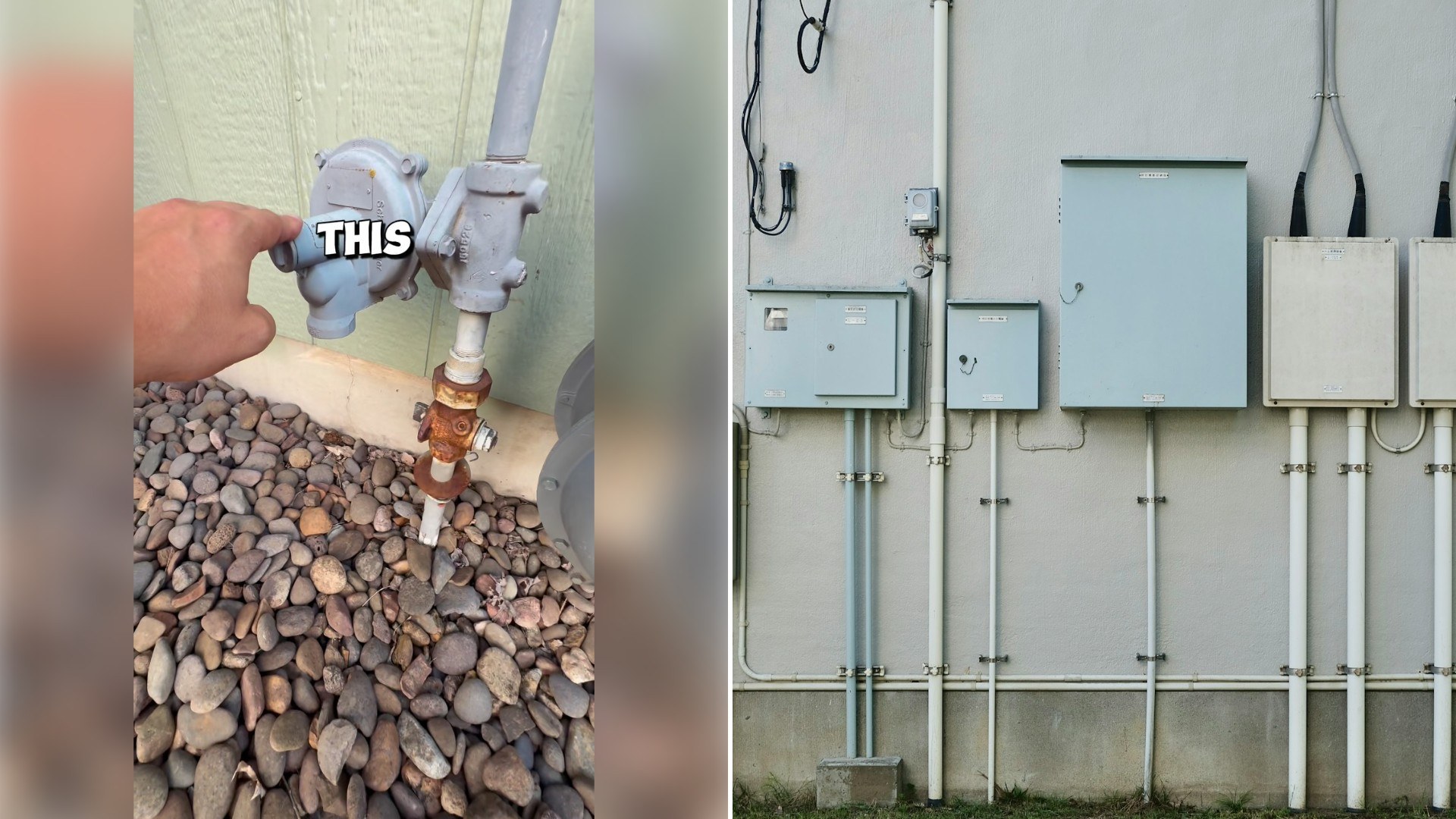
A creator walks the exterior of a house pointing out various utility fixtures and components, narrating in real time which ones look properly installed. He zeroes in on an electrical box mounted in an unusual spot that clearly “sticks out” compared to everything else, walking viewers through why it looks off and what a buyer should watch for. The video works less like a highlight reel and more like a short, honest documentary, the kind that earns its ending by actually showing the unglamorous steps that led there.
There’s a rawness to how the moment is captured, hand-held, narrated in the moment, with none of the gloss of a produced real estate commercial, and that unpolished quality is a big part of why it plays as believable rather than performative. Viewers aren’t just being shown a finished opinion, they’re being walked through the reasoning as it happens in real time.
View this post on Instagram
As @hullsome_ tells it, the story is grounded in specifics rather than generalities, and that groundedness is exactly what separates a clip like this one from the more staged, aspirational content that tends to circulate in the same corners of social media.
The on-screen caption, “THIS DEFINITELY STICKS OUT,” is doing a specific kind of work here: it tells the viewer exactly where to look before the camera even gets there, which is part of what keeps a slow, methodical walk-around from feeling tedious. By the time the electrical box comes into frame, the anticipation has already been built, so the payoff lands the moment the mismatch becomes visible rather than requiring an explanation first.
Electrical boxes mounted on an exterior wall aren’t usually something buyers think to scrutinize during a showing, and that’s exactly the gap this kind of walkthrough is built to close. Meter bases, disconnect panels, and junction boxes are supposed to sit at a consistent height and in a location that keeps them clear of grading, landscaping, and water pooling, and a box that’s been relocated or added on later, often to accommodate a remodel, an addition, or a swapped-out HVAC unit, tends to look exactly like the outlier described here: slightly off-height, oddly spaced from its neighbors, or positioned somewhere a licensed electrician probably wouldn’t have chosen if starting from scratch.
That kind of mismatch is frequently a trail marker rather than the actual problem. A box that sticks out visually often means a wire run, a panel upgrade, or a permit history worth asking about directly, since whoever made the change had a reason, and that reason isn’t always one a buyer would want to inherit without first understanding it. A home inspector flagging it on camera isn’t claiming the work is unsafe; he’s pointing at the kind of detail that’s easy to walk past during a showing and worth a second look before closing.
There’s a reason exterior walk-arounds like this one have become their own micro-genre within home inspection content: a house’s interior gets staged, cleaned, and lit for a showing, but its exterior utility fixtures are rarely touched before a sale, which makes them one of the more honest, unfiltered records of a property’s actual maintenance and renovation history.
For buyers watching this kind of content with an eye toward their own upcoming purchase, the practical takeaway isn’t to panic over every mismatched fixture, it’s to build the habit of actually looking. A five-minute walk around a property’s exterior, checking that meter placement, disconnects, and junction boxes look consistent with everything else on the house, costs nothing and can surface a detail worth raising with a seller or a licensed electrician before an offer goes in, rather than after the sale closes.
Comment sections under videos like this one tend to fill up fast with people asking the inspector to zoom in further or share more detail about what exactly looked wrong, a reaction that says something about how few buyers get this kind of plain-language walkthrough from their own inspector during an actual showing. Most inspection reports arrive as dense, jargon-heavy documents days after the fact; a video like this compresses the same kind of observation into something a non-expert can actually follow in real time.
What makes the format durable beyond this one house is the underlying premise: that a property’s exterior utility fixtures are a legible record, if you know roughly what consistency is supposed to look like, and that record is sitting in plain view on every house, whether or not anyone ever bothers to read it.
It’s also worth noting what the video doesn’t do, which is just as telling as what it does. There’s no dramatic music cue, no slow-motion zoom, no breathless claim that the house is unsafe or that a sale should fall through over one mounting detail. The tone stays measured throughout, closer to a contractor thinking out loud than a creator manufacturing outrage, and that restraint is likely part of why the clip reads as credible rather than alarmist to the people watching it.
Utility placement inconsistencies like this one tend to be invisible until someone points them out, and then, almost instantly, impossible to unsee. Once a viewer has watched this kind of walkthrough, they tend to start noticing exterior fixtures on every house they pass afterward, checking meter heights against neighboring homes almost reflexively. That shift in attention, more than any single fact about this particular house, may be the video’s most lasting effect on the people who watch it.
Leave a Reply