
Just 52% of home improvement projects were completed entirely DIY in 2025, down from 57% the year before, according to the Home Improvement Research Institute’s 2025 Homeowner Project Activity Tracker, published June 11, 2026. Over the same stretch, projects that blended homeowner labor with hired help climbed to 24%, up from 20%, while fully outsourced jobs also ticked up to 24%. That five-point swing away from solo DIY in a single year is the kind of shift that shows up across an entire industry’s project mix, not just in a few outlier renovations. Homeowners planning 2026 projects are budgeting an average of $7,117, a figure that hints at where the handoff is actually happening.
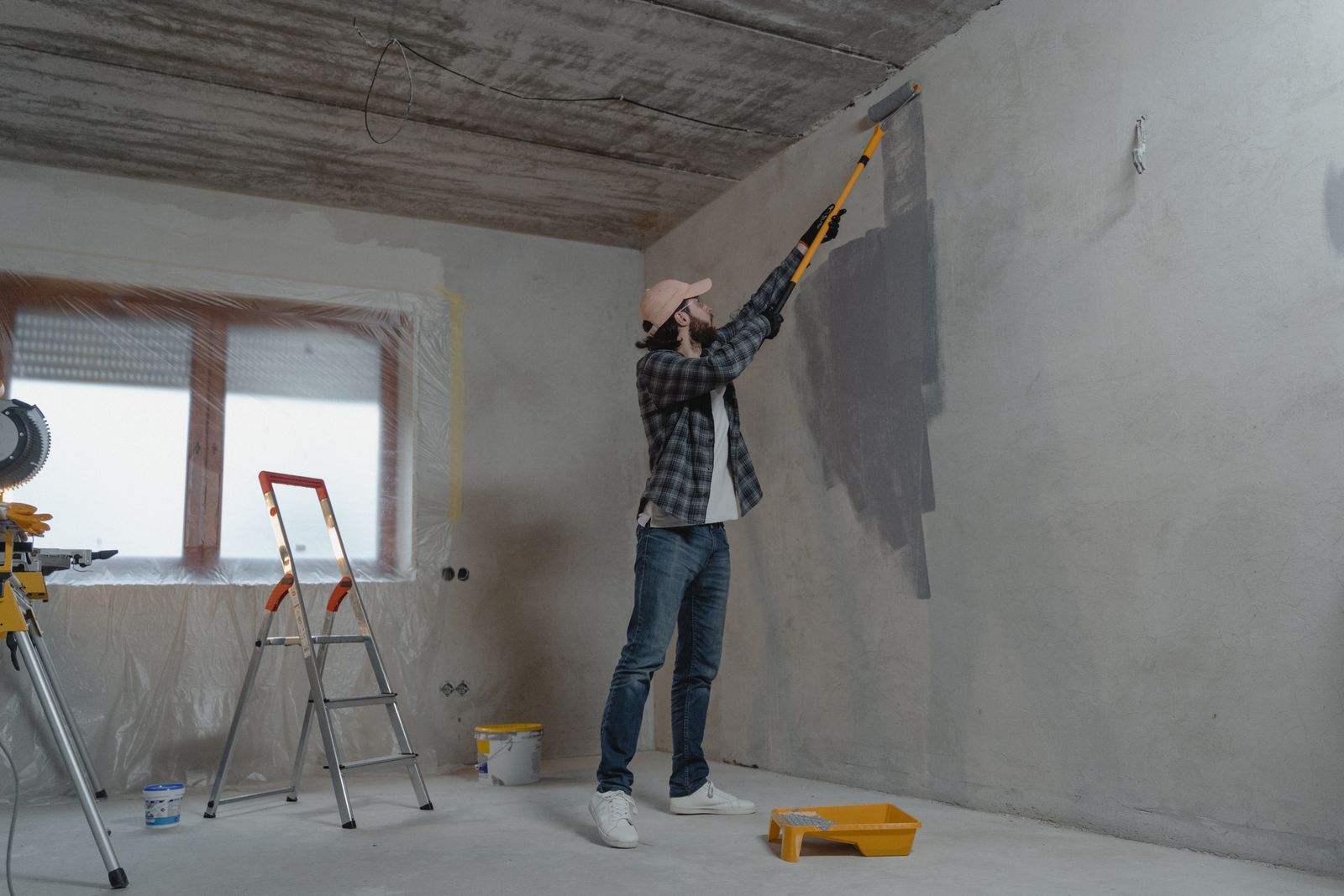
The hybrid model is winning, not losing
The instinct is to read a drop in pure DIY as homeowners losing confidence or giving up on hands-on work. HIRI’s own numbers argue against that. Homeowners still overwhelmingly say they DIY because they are “able to do the work myself” (68%) and because it’s “cheaper if I did the work myself” (67%), reasons that have nothing to do with skill erosion. What changed is the shape of the project, not the appetite for doing it. HIRI’s tracker found homeowners are more likely to bring in a contractor specifically on mid-to-large projects above roughly $5,000, citing the “technical expertise, as well as the specialized knowledge and equipment, of professionals” as the deciding factor. That’s a description of a demolition-and-framing job or a full bath gut, not a leaky faucet or a fence repair. The DIY-versus-pro line is being redrawn along project complexity, and hybrid work, doing the demo and finish carpentry yourself while paying an electrician or plumber for the licensed portion, is absorbing the projects that used to fall entirely into one camp or the other.
Materials got too expensive to gamble on
Part of what’s pushing homeowners toward paying for at least a slice of expert labor is the cost of getting it wrong. Construction input prices, the raw materials that go into a renovation, were still running about 2.1% higher year-over-year as of mid-2025, with service costs up an even steeper 3.0%, per NAHB’s Eye on Housing analysis of federal producer price data. When a sheet of cabinet-grade plywood or a box of engineered flooring costs meaningfully more than it did a few years ago, a DIY measuring mistake or a botched cut stops being a minor annoyance and starts being real money. Hiring out the step where an error is most expensive, tile layout, electrical rough-in, anything involving a $6,000 range or a custom vanity, is a rational hedge, not a concession that the homeowner couldn’t have managed it.
What $7,117 actually buys
An average planned budget of $7,117 for 2026 sits in an interesting middle ground. It’s too small to be a full kitchen or primary-bath remodel, which routinely run into five figures even at the modest end, but too large for a weekend paint-and-caulk refresh. That range lines up almost exactly with hybrid-project territory: a bathroom refresh where the homeowner handles demo, tile, and painting but pays a plumber to move a drain line, or a deck rebuild where the framing is DIY but the electrical for outdoor lighting isn’t. Separate industry tracking from market research firm The Farnsworth Group found the hybrid share of projects continuing to climb into 2026, reaching 43% in its own quarterly homeowner survey, a faster pace than HIRI’s annual figure but pointing in the same direction. The budget number isn’t evidence of homeowners retreating to small, safe projects. It’s evidence they’re still planning ambitious ones, just splitting the labor more deliberately than they used to.
A generational nudge, not the whole story
Some of the shift likely traces to who’s doing the planning. The Farnsworth Group’s research also found younger homeowners lean harder on video tutorials, 80% of Gen Z and millennial respondents use YouTube for project research compared with 67% of boomers, which builds confidence for the visible, cosmetic parts of a job while doing little to prepare someone for a permit-requiring electrical panel swap or a load-bearing wall. That gap between tutorial-fed confidence and licensed-trade competence is exactly where hybrid projects tend to form.
None of this means DIY is dying. It means the definition of doing a project “right” has expanded to include knowing which third of it to hand off. A homeowner who tiles their own shower but pays a licensed plumber for the valve isn’t failing at DIY, they’re pricing risk the way the data says the rest of the country now does too.
Leave a Reply