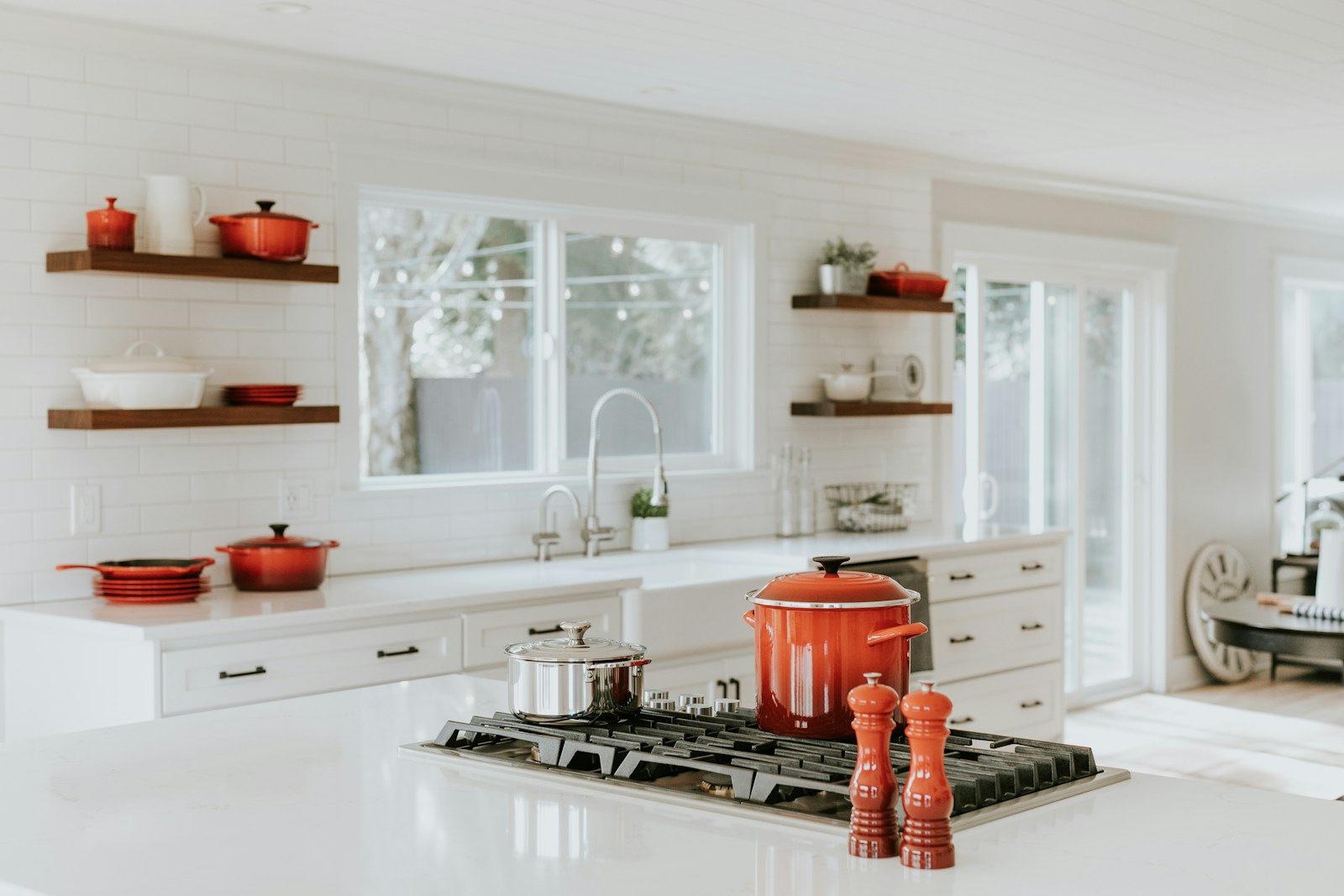
$28,458. $32,141. Those are the two numbers that matter in Zonda’s 38th Annual Cost vs. Value Report: the average price of a minor kitchen remodel, and the amount it adds back to a home’s resale value at closing. Divide one into the other and the project recoups 112.9% of what it costs, a return rate that beats nearly everything else a homeowner can do inside a house. Only four categories nationally do better, and all four are exterior work: a new garage door at 267.7%, a steel entry door at 216.4%, manufactured stone veneer at 207.9%, and fiber-cement siding replacement at 113.7%. That makes the minor kitchen remodel the only interior project to crack the national top five, and it has held that spot for years.
What “Minor” Actually Means
The word doesn’t mean cheap or half-finished. It’s a fixed, defined scope that Zonda’s surveyors price the same way every year, across more than 130 markets, so the numbers stay comparable over time. The reference project is a dated but functional kitchen that gets refreshed without moving a wall or a pipe. Cabinet boxes stay put; new fronts, drawer faces, and hardware go on, or existing cabinets get refaced rather than torn out. Laminate countertops replace worn ones, a new mid-priced sink and faucet go in, and the range, oven, and refrigerator are swapped for new, standard-grade, energy-efficient models. Resilient flooring replaces whatever was there, and walls and trim get repainted. That is the entire job description, laid out in the underlying Cost vs. Value database that Zonda has maintained for decades, and it is priced against a comparable, mid-priced home so the figures hold up across roughly 130 U.S. markets rather than skewing toward luxury coastal renovations.
What Gets Left Out
No reconfigured layout. No relocated plumbing, gas, or electrical runs. No knocked-out wall to open the kitchen to a family room. No custom cabinetry, stone slab counters, or professional-grade appliances. Those upgrades define a different category entirely, one Zonda tracks separately as a major or upscale kitchen remodel, and that project runs into six figures for a full renovation, with roughly half or less of the outlay coming back at resale. The scope is the whole point: a minor remodel stays cosmetic and mechanical, while a major one becomes structural and custom, and structural, custom work is exactly what erodes ROI.
Why Staying Inside the Lines Pays
Buyers and appraisers reward a kitchen that looks clean, current, and functional, but the market ceiling on what they’ll pay extra for a kitchen doesn’t rise in a straight line with what gets spent building it. A homeowner who moves a wall, reconfigures the island, and installs a waterfall quartz countertop is paying for permits, structural engineering, custom millwork, and a longer construction timeline, none of which the eventual buyer values dollar for dollar. Cost per square foot climbs sharply once a project crosses from refresh into rebuild, while the added resale value grows far more slowly. That gap between spending and payback is precisely what a lower ROI percentage measures, and it is why the minor kitchen remodel, capped by design, keeps outperforming its bigger, flashier sibling year after year.
Why It Still Beats Other Interior Projects
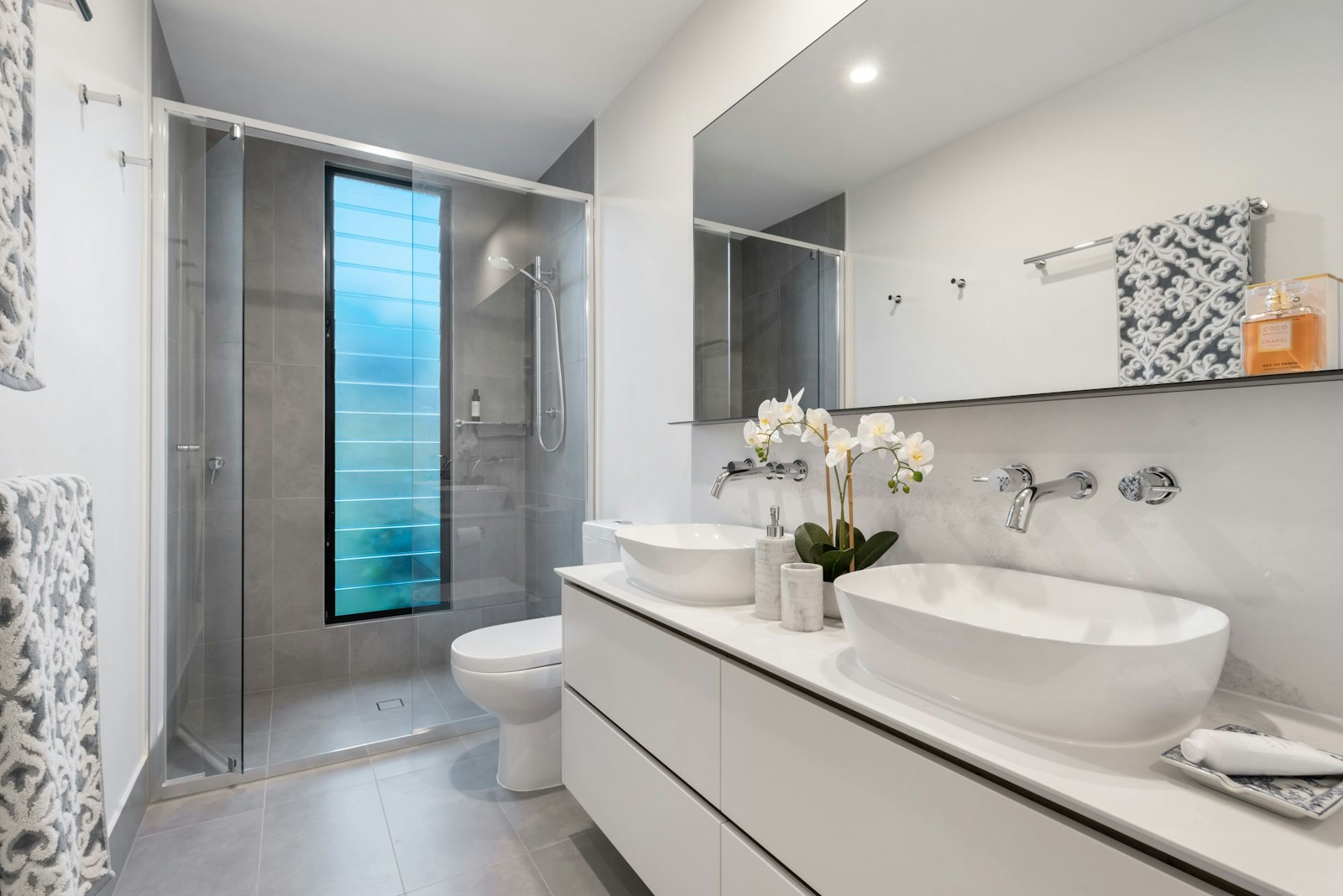
A full bathroom remodel and a primary suite addition are the other two interior projects homeowners reach for most, and neither cracks the national top five either. Both typically add genuine square footage or premium fixtures, a soaking tub, a curbless shower, a walk-in closet, that cost real money to build but appeal to a narrower slice of buyers than a functioning kitchen, a room every single buyer walks through and judges within seconds of a showing. A kitchen upgrade also touches the room buyers already weigh most heavily when comparing listings, so even a modest, cosmetic pass on it moves the needle further than a comparably priced bathroom or bedroom-suite project. Zonda’s report has tracked this hierarchy for well over a decade, and the ranking rarely shuffles much from year to year: exterior projects that fix curb appeal and envelope durability sit at the top, the minor kitchen remodel anchors the interior category beneath them, and every larger, more personal interior investment trails behind it.
The data isn’t an argument against ever gutting a kitchen down to the studs; plenty of homeowners do it for reasons that have nothing to do with resale math. What it shows is narrower and more useful: when resale value, not personal enjoyment, is the actual goal, the financially rational move is to stop at fronts, counters, and floors, and resist the temptation to open the wall.
Leave a Reply