Brand new does not always mean built right. A home inspector put that idea to the test with a golf ball, and the results were not pretty.
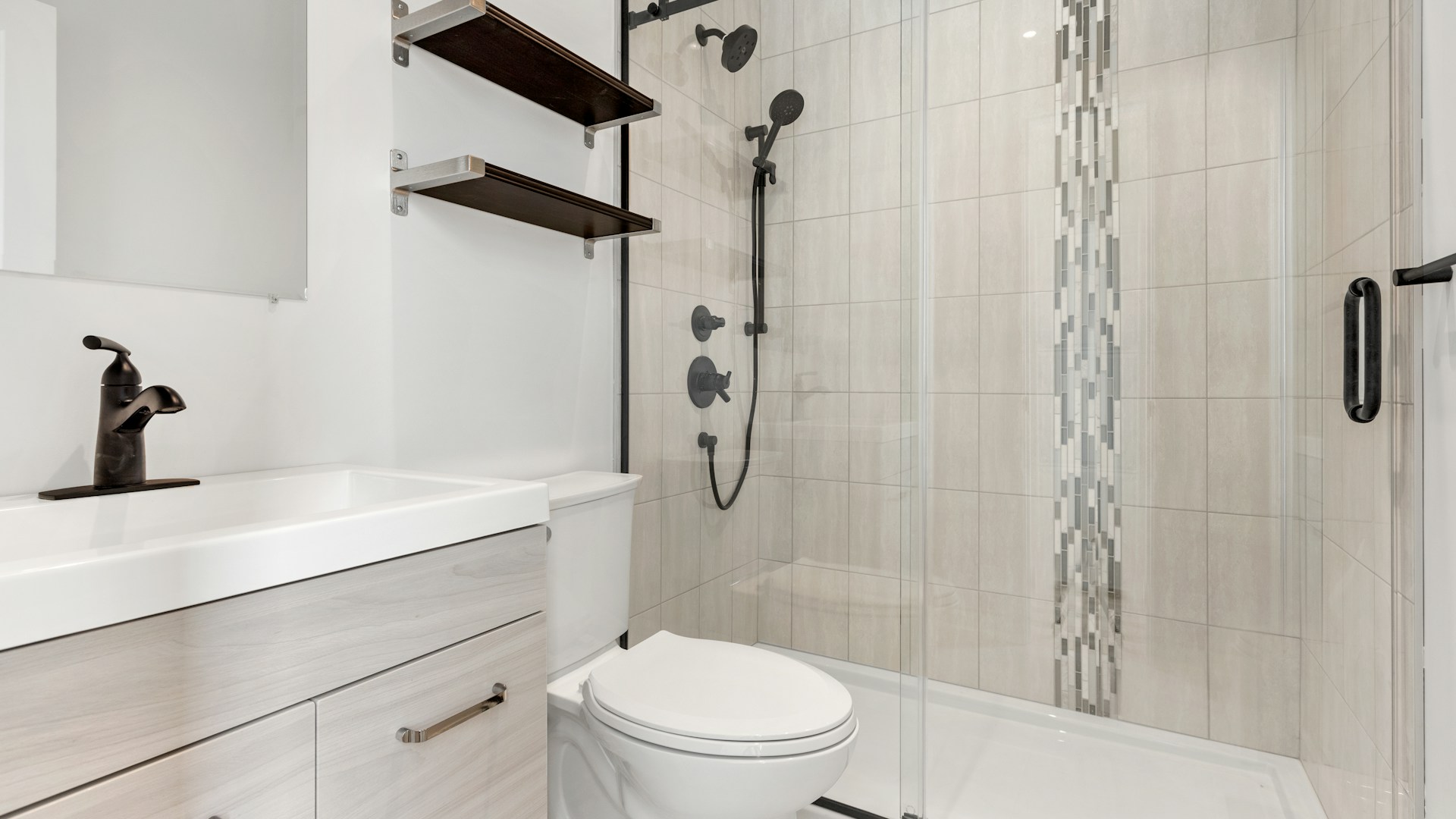
In a YouTube Short, he sets a golf ball on the soap shelf in a new build shower. Instead of rolling toward the drain, it rolls toward the wall.
Then he checks another shower enclosure, and finds one that is not watertight. For anyone buying new construction, both findings are worth knowing about.
A Golf Ball Shows A Soap Shelf Sloping The Wrong Way
The golf ball test is simple and clever. A shelf or ledge in a shower should slope slightly toward the drain or toward the inside of the shower so water runs off and does not sit.
On the soap shelf in this new build, the ball rolled toward the wall instead of toward the drain. That means water would pool against the wall, and standing water against tile and grout is a recipe for leaks, mold and damage over time.
Another Shower Enclosure That Is Not Watertight
The inspector then looks at another shower enclosure and finds that it is not watertight. In a shower, that is a serious flaw, because water that escapes ends up in the wall, the floor and the ceiling below.
Leaks from showers often go undetected for a long time. Water can soak the subfloor and the framing for months before a stain or a smell shows up, and by then the repair can run into thousands of dollars.
Why New Construction Needs An Inspection Too
Many buyers assume a new house must be perfect, and the builder will take care of any problems. In reality, new homes are built by many trades working quickly, and mistakes happen.
Municipal inspectors check some stages, but their visits are brief and focused on code. A private inspector working for you looks at the finished product with a different eye, and can find things like sloped shelves, loose fixtures and unsealed corners.
How To Do Your Own Shower Check
You can run simple tests yourself, whether you are touring a new build or living in an older place. These steps take a few minutes.
- Place a golf ball or marble on any shower shelf, bench or ledge and see which way it rolls.
- Look at the grout and caulk lines for gaps, cracks or dark spots.
- Run the shower and check the door or curtain for water escaping at the edges.
- Press on the walls and floor, and check for soft or spongy spots.
- Look at the ceiling and walls in the room below for stains.
If you find a problem in a new build, report it to the builder in writing before the warranty period ends. Most builders offer a one year warranty on workmanship, and a written list with photos gives you a record.
Know Your Rights As A New Home Buyer
Ask for the builder’s warranty in writing and read it closely. It should explain what is covered, how long coverage lasts and how to make a claim.
Schedule your inspection at key stages if you can. Many buyers do a pre-drywall inspection, when framing, wiring and plumbing are still visible, and a final inspection before closing. Problems found early are far cheaper to fix than ones found after move-in.
Make a punch list of every issue, and do not close until the builder agrees to fix it, or holds money in escrow for the work. A shower that leaks is not a cosmetic issue, and it deserves a real repair.
Why Slope Matters In A Shower
Showers depend on gravity, and every surface should shed water toward the drain. Benches, niches and shelves need a slight pitch, usually about a quarter inch per foot, so water does not sit and soak into grout.
When surfaces are flat or tilt the wrong way, water lingers and works its way into joints. Over time that can break down grout, loosen tile and seep into the wall behind, where nobody can see it.
What A Watertight Enclosure Needs
A watertight shower relies on a waterproof layer behind the tile, tight seams at the corners and a well sealed door or curtain. A flaw in any one of them can let water escape.
Doors and glass panels should seat properly against the curb and walls, with sealing strips that make good contact. Run the shower for a few minutes and look for drips on the floor outside, and press on the corners to see whether sealant has pulled away.
A Few Minutes With A Golf Ball Can Save Thousands
The beauty of this test is that anyone can do it. A golf ball costs a dollar or two, takes seconds to use and gives a clear answer about slope.
Bring one to your final walk-through on a new build, and test the shower shelves, the bench and the floor near the drain. If the ball rolls the wrong way, take a photo and add it to your punch list so the builder can correct it before you close.
The golf ball trick is the kind of simple test that tells a story in seconds. A little roll in the wrong direction can point to a big problem, and it is a fine reminder that brand new homes still need a careful look.
More Stories You May Like
- Plumber Shows A Double Wall Copper Drain In A Custom Utah Home That Steals Heat From Shower Water To Preheat The Cold Line Going To The Water Heater
- Retirees Pay $7,913.99 To Fix A Hail Damaged Roof, Then Say The Contractor Vanished, So She Shows Up At His Door And His Wife Reveals A Text Chain With About 20 Other Alleged Victims And Two Sheriff’s Offices Open Investigations
- Homeowner Hosts 141 Guests During 36 Short Term Stays Despite Neighborhood Rules, Then The State Supreme Court Votes 5 To 4 That Renting It Out Is A Business And Upholds $8,528 In Fines
Leave a Reply