Six months without paying rent. That is the situation a landlord describes in a reel from @inspirebytyler, where tenants stayed in the property rent free while the landlord waited for the legal process to run its course.
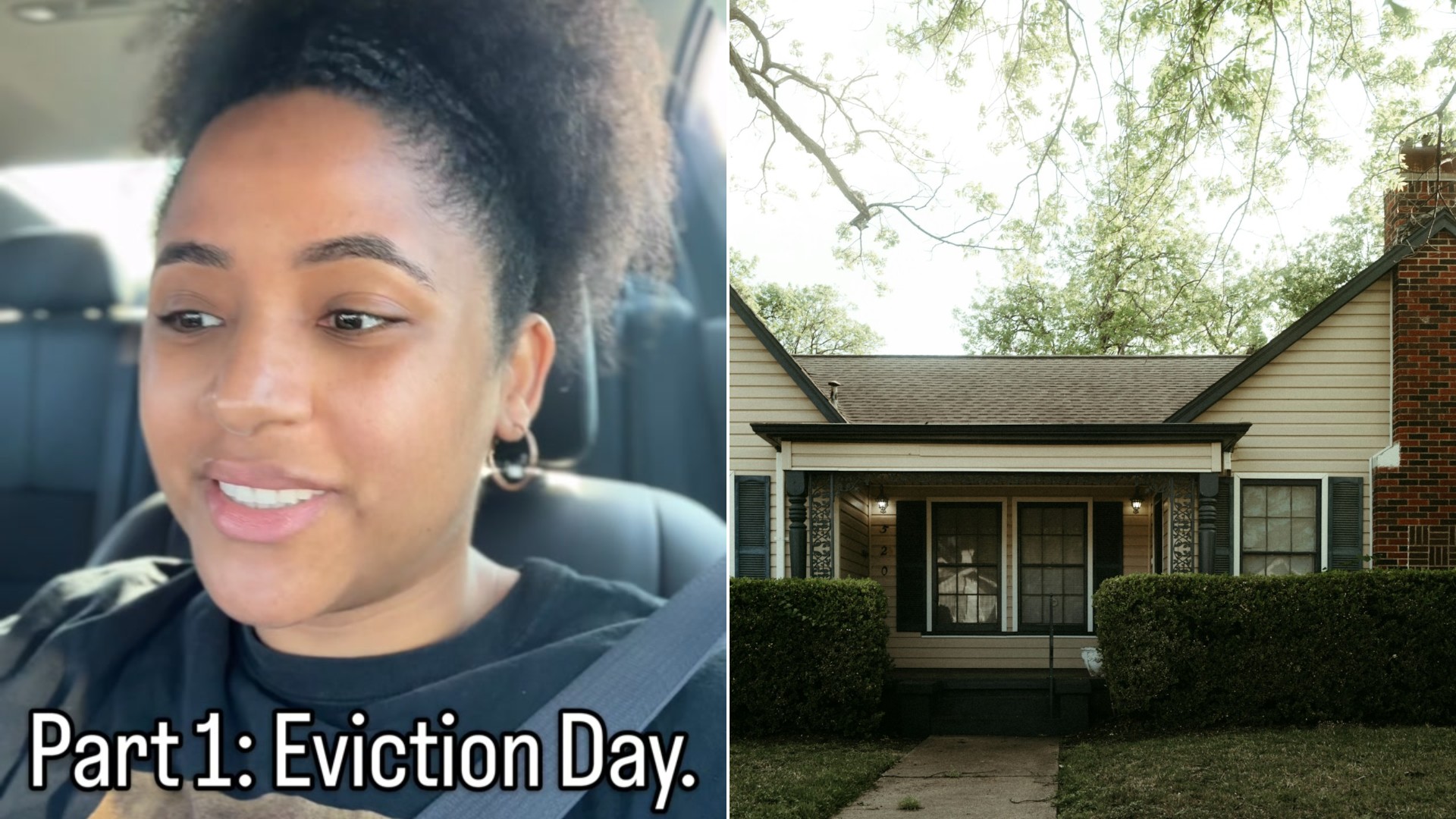
In the reel, the landlord gets tired of waiting for the sheriff to show up and carry out the eviction, and takes matters into his own hands.
Stories like this one strike a nerve on both sides of the rental market, and they raise a question every property owner and renter should understand: what is actually allowed when a tenant stops paying?
View this post on Instagram
Six Months Of Free Rent Is A Heavy Loss For Any Landlord
For a small landlord, a single unpaid month can mean trouble covering the mortgage, property taxes and insurance. Six months of lost rent adds up to a serious hole in the budget, and that is before any repairs.
The frustration is real, and it explains why clips like this travel so quickly. Many owners have been through a drawn out eviction, and they understand the feeling of watching the calendar while the bills keep arriving.
Why The Sheriff Is The Last Step, Not The First
In most places, a landlord cannot simply remove a tenant. The usual path starts with a written notice, followed by a court filing, a hearing and a judgment. Only after that does a court order go to the sheriff or marshal, who carries out the removal on a set date.
Courts can be slow. Backlogs, scheduling and a tenant’s right to respond all add time. That is how a case can stretch across half a year even when the rent is plainly unpaid.
The scheduling of the final step is also out of the landlord’s hands. The sheriff’s office sets the day, and owners who are ready to move on often find that the last wait is the most maddening.
Why Doing It Yourself Is Risky
Here is the part every landlord needs to hear. Across much of the country, removing a tenant without going through the court process, often called a self help eviction, is illegal. Changing locks, shutting off utilities or hauling out belongings can lead to fines or damages.
Rules vary by state, so the details depend on where the property is. A landlord who loses patience can end up owing the tenant money, which turns a strong case into a weak one.
That is why attorneys and housing groups give the same advice almost everywhere: let the sheriff or marshal carry out the order, even when the wait feels unbearable.
What Tenants Should Know
Renters have rights too, and they are worth knowing. A landlord generally must give proper notice and follow the court’s process, and a tenant who is served should read every paper carefully and respond on time.
Ignoring court papers is one of the costliest mistakes. A judgment entered by default can follow a renter for years in screening reports and make it harder to find the next home.
Tenants facing hardship are often better off talking to the landlord early. Many owners would prefer a payment plan or a move out agreement over a long legal fight.
How Landlords Can Avoid A Six Month Nightmare
Good screening is the best protection. Check income, rental history and references, and run credit and background checks the way the law in your state allows.
Put everything in a written lease and keep clear records of rent paid, late notices and communication. If you do end up in court, paper trails win cases.
- Act at the first missed payment instead of waiting. Send a proper written notice right away.
- File with the court as soon as your state allows.
- Keep every receipt, message and photo.
- Stay in contact with the sheriff’s office about scheduling once the order is issued.
- Talk to a local landlord attorney or landlord association if you are unsure about a step.
Consider landlord insurance that covers lost rent, and keep a cash reserve so one bad tenant does not threaten the whole property.
A Cash For Keys Deal Can Save Time
Some owners offer tenants a modest payment to move out by a set date. It can feel unfair to pay someone who owes you money, but it can be cheaper than months of lost rent and legal fees.
Put any agreement in writing and have the tenant sign it, and then do a walk through when the keys are returned. It is quick, clean and avoids the sheriff altogether.
It also pays to keep your property in good shape and respond to repair requests promptly. A tenant who has a genuine complaint about the home may withhold rent in some states, and a documented record of quick repairs protects you if the case ever reaches a judge.
The Bottom Line For Owners And Renters
The reel from @inspirebytyler captures how raw the eviction process can feel when six months of rent go unpaid and the final step drags on.
The safest path for a landlord is still the lawful one, even when it is slow, and the safest path for a tenant is to respond to every notice and talk early. Whichever side of the lease you are on, knowing the rules in your own state is the best protection you have.
More Stories You May Like
- Tenants Keep Paying Rent While Their Landlord Racks Up More Than $1 Million In Unpaid Water Bills At Five Buildings, And One Renter Asks ‘So Where Is That Money Going?’
- Philadelphia Landlords Must Now Give A Written Reason Before Ending Or Not Renewing Any Lease, And One Landlord Warns A Single Bad Tenant Could Land Him In Foreclosure
- Tenants Leave Behind An Illegal Wall, Screws Through The Tile And A Filthy King Bed After One Year, So Would You Give Back Their $2,500 Deposit
Leave a Reply