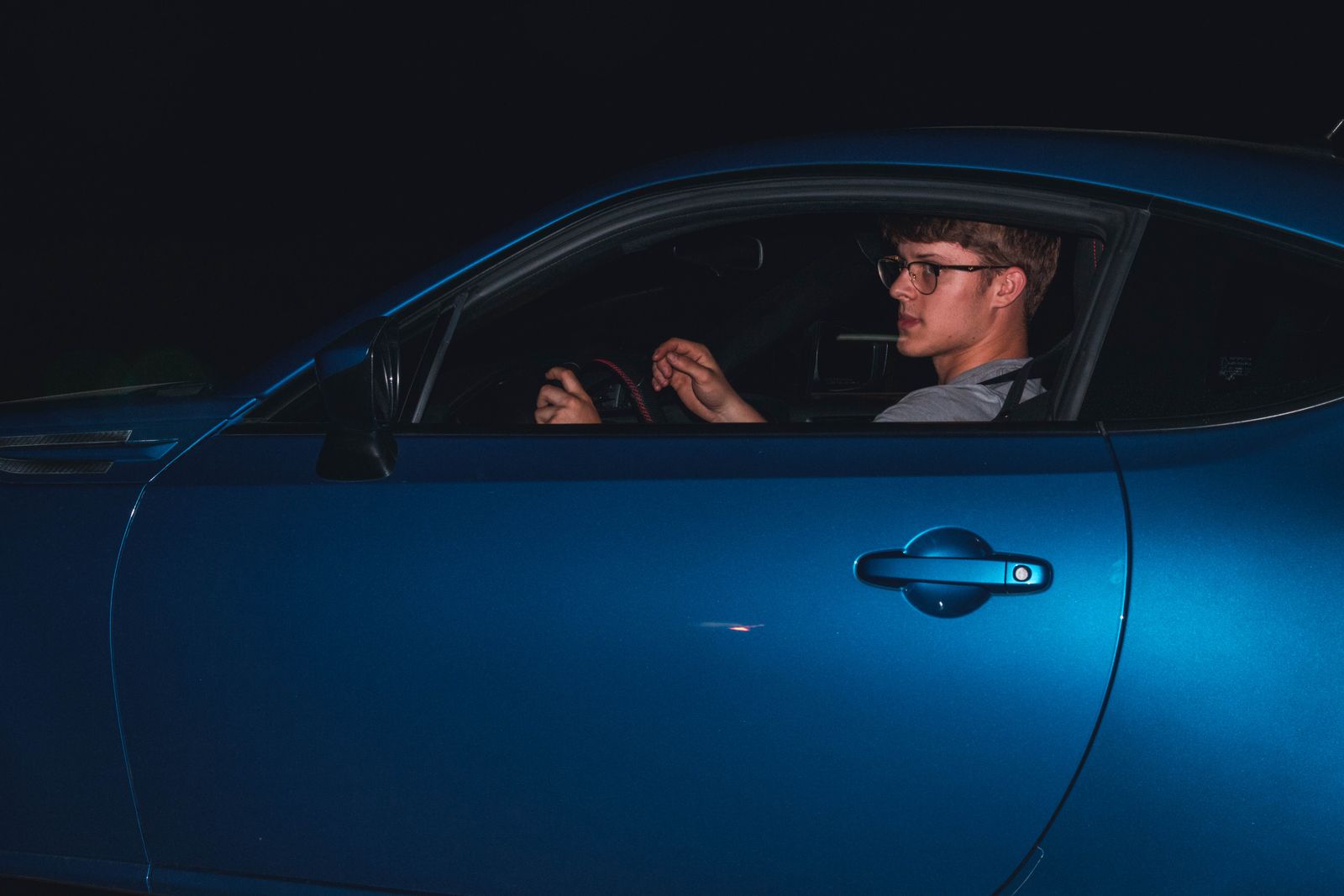
In the world of late-night driving and friendship, a seemingly simple favor can sometimes unravel into unexpected frustration. One poster found themselves trapped in just such a situation, caught in a lengthy round trip to pick up their friend, only to be left waiting while that friend enjoyed a moment of camaraderie with a coworker outside of work.
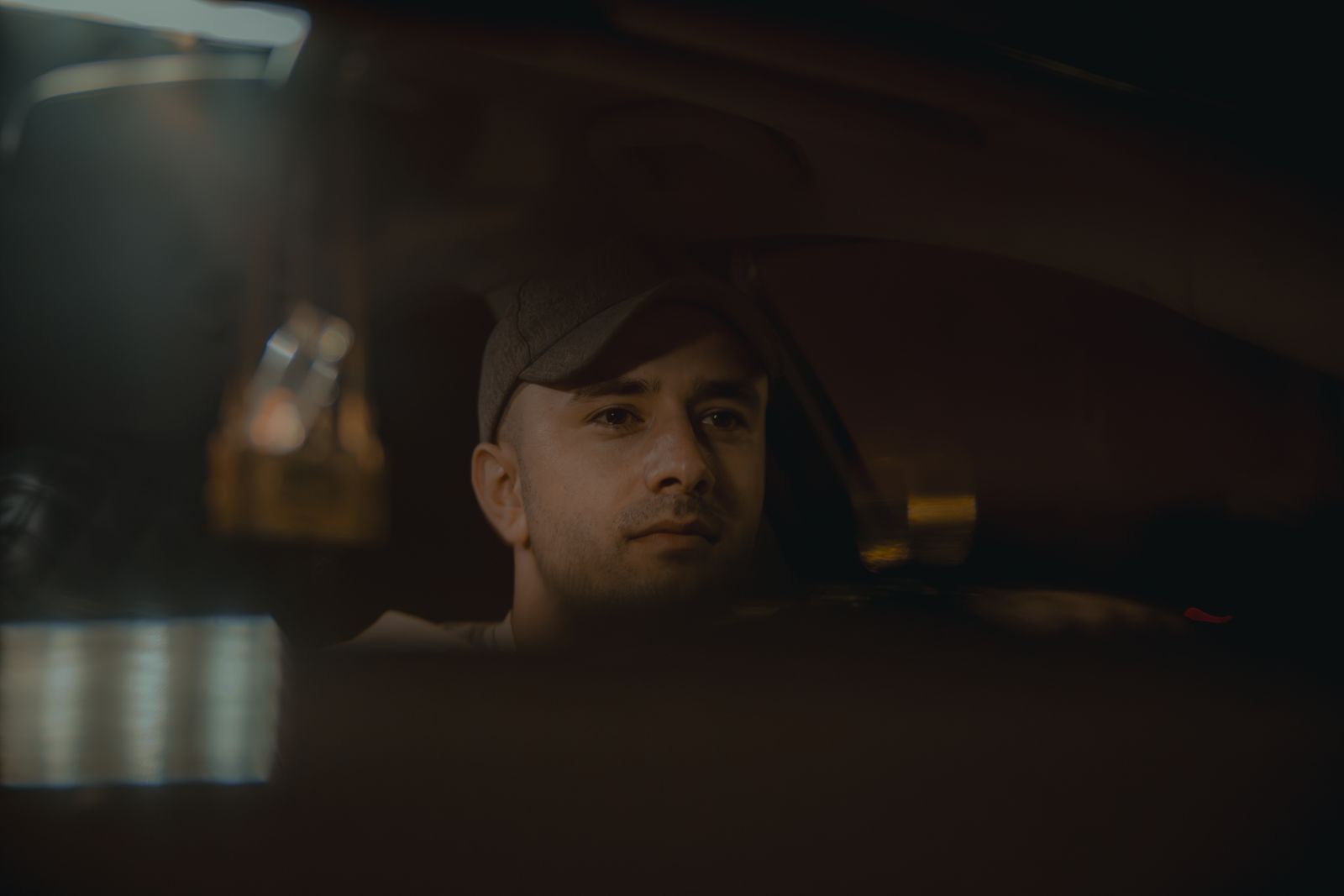
The poster had a long-standing arrangement with their friend, who worked a night shift. They would handle the 50-minute drive to pick him up, and in return, the friend would chip in for gas. However, this routine turned sour one evening when the poster arrived to find their friend and his coworker leisurely smoking a joint on the curb. Watching the clock tick away, the poster sat idly in the car, feeling the weight of the unnecessary delay mount as they waited.
Frustrated, the poster decided to bring up the issue during their next ride home. “I really want him on time and in the car when I arrive because I don’t like waiting,” they expressed, underscoring the exasperation that had built up over time. After spending nearly two hours driving for just a few minutes of conversation, it was no wonder their patience had worn thin. Ultimately, the poster drew a line in the sand: “I told him I quit. I’m not waisting my time doing it anymore. It’s not worth it.” What started as a simple task of picking up a friend had evolved into a test of patience and friendship.
The story provokes curiosity about the dynamics of their arrangement. While the poster does receive gas money, the emotional toll of waiting—especially late at night—seems to outweigh the financial compensation. Many readers would question whether the friendship could withstand this kind of strain, especially if the poster decided to walk away from the arrangement altogether.
As comments began to roll in, reactions varied widely. Some expressed sympathy for the poster’s plight, echoing the sentiment that waiting around is not a fun experience, especially when it could be avoided with a little more consideration. Others pointed out that the friend seemed to enjoy the act of socializing with their coworker, perhaps suggesting that the poster should be more understanding of the situation. There were even those who raised eyebrows at the arrangement itself, questioning whether monetary compensation was enough to justify the inconvenience.
In the vast digital landscape, many readers found themselves pondering the complexities of friendship and obligation. Some encouraged the poster to communicate more about their feelings, while others suggested that the friend might not value the arrangement as much as they should. “It’s not just about the gas money,” one commenter noted, highlighting the emotional investment that comes with helping friends. In contrast, another pointed out, “If he’s not ready when you arrive, maybe it’s time to rethink this ride-sharing setup.”
As the discussion unfolded, the deeper implications of relying on friends for favors remained at the forefront. With the poster feeling undervalued and tired of the routine, the friendship hung in a delicate balance. Would this incident become a turning point, or would it gradually be forgotten as another late-night pickup? The tension lingered, reflecting the often-complex nature of juggling friendship and everyday responsibilities.
More from Willow and Hearth:
Leave a Reply