Ask most people where homes face the biggest weather risk and you will hear California, Texas and Florida. A new study says the real answer is more surprising. Property data platform Cotality ranked every state by the weather perils it faces, and Louisiana landed on top, with a surprise guest in fourth place, as Newsweek reports.
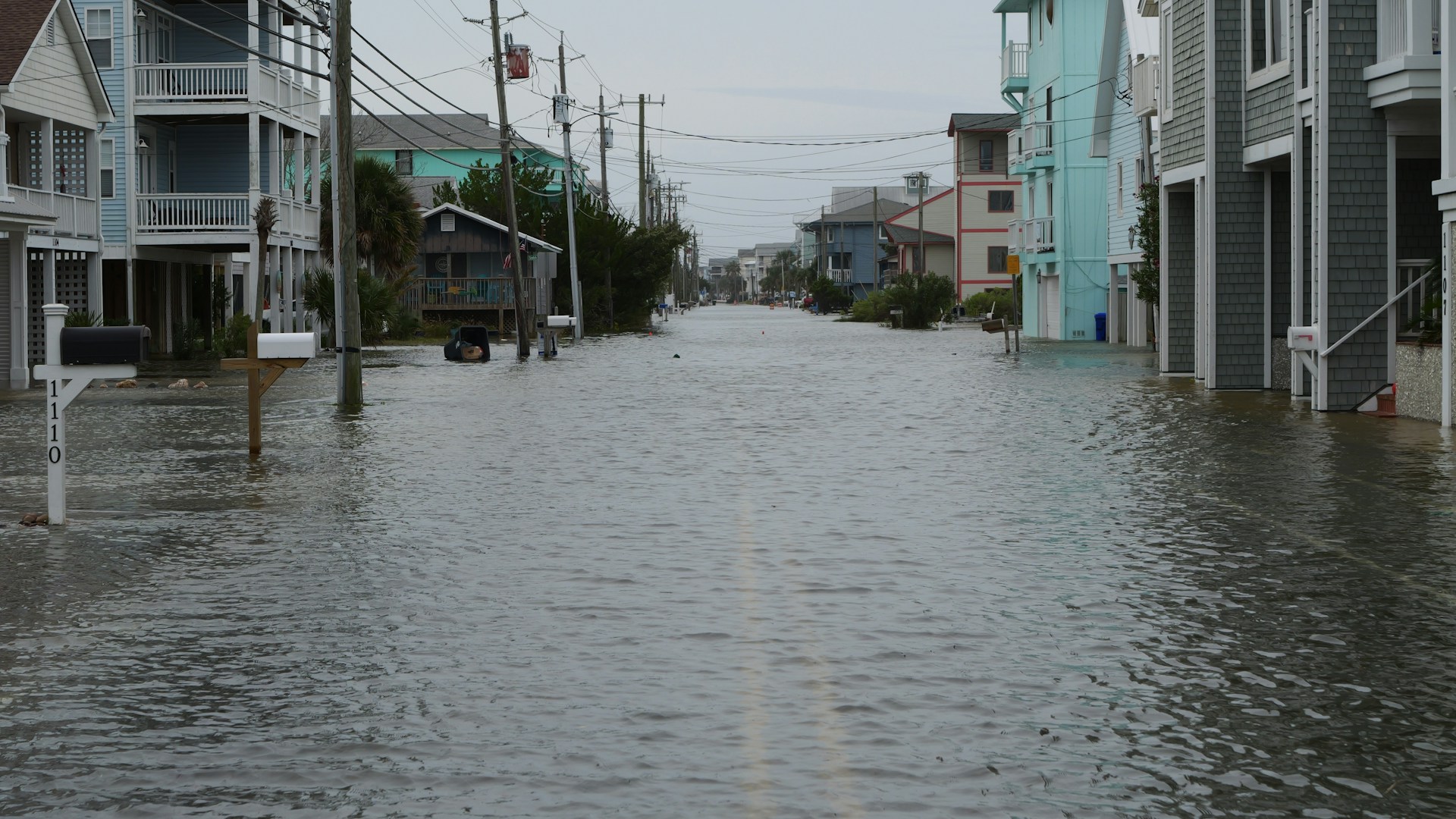
That surprise is West Virginia, which flooding pushed ahead of disaster-prone states like Texas and Oklahoma.
Louisiana Scores A Perfect 100, And $11.4 Billion Is Coming By 2050
With a score of 100, Louisiana tops Cotality’s list of the riskiest states, with damages from all weather perils estimated at $6.7 billion in average annual losses. Hurricanes are its costliest peril now, but researchers expect flooding to overtake them by 2050 and account for $3.8 billion of the state’s total $11.4 billion in average annual losses. That is a jump of more than 70% from today.
Every state was ranked on the perils it faced, not on how many homes were exposed to them.
Mississippi and Florida follow as the second and third riskiest, mainly because of hurricane exposure. Losses from all perils are expected to jump 62.3% in Florida by 2050 to $17.5 billion, while Mississippi’s will rise 54.1% to $4.5 billion.
“West Virginia Doesn’t Have Headline-Grabbing Hurricanes Or Wildfires”
West Virginia’s total estimated losses come to $989 million, “a substantial burden for a state with roughly 900,000 homes,” the researchers wrote.
Dr. Howard Botts, chief scientist at Cotality, explained why in a statement. “When people think of extreme weather, they usually think of places like California, Texas and Florida, but the most severe concentrations of risk aren’t always where you’d expect,” he said.
“West Virginia doesn’t have headline-grabbing hurricanes or wildfires, but its topography leaves it highly exposed. Much of its housing sits in mountain valleys, so as the region gets wetter, flood risk is rising sharply.”
Oklahoma, Kansas, Nebraska, Texas, Alabama and Missouri completed the top 10. Together, those 10 states face $43 billion in average annual losses from weather risks, according to Cotality.
California And Texas Still Have The Most Homes In The Line Of Fire
Ranking by risk is not the same as counting houses. The highest number of homes exposed is in California and Texas, where 10.4 million homes are in peril from wildfires, flooding, hurricanes and earthquakes.
Annual wildfire losses are projected to nearly double by 2050 in California, from $2.9 billion to $5 billion. In Texas, researchers expect severe storms to become the state’s number one peril, at an estimated $7.4 billion in average annual losses, nearly two-thirds of the state’s current losses from all perils.
The Safest States Still Are Not Safe
The District of Columbia ranked as the lowest risk, with $31 million in average annual losses from all weather perils combined. Pennsylvania ($2.3 billion), Maryland ($609 million), Michigan ($2.3 billion), Virginia ($1.9 billion), New Hampshire ($362 million), Arizona ($1.4 billion), Oregon ($1 billion) and Nevada ($680 million) followed in the top 10 lowest.
Combined, the 10 lowest-risk states face $10.9 billion in average annual losses, roughly the same as Florida alone.
But Cotality’s analysis found no real winners. Even the 10 lowest-risk states are expected to see losses rise by an average of 37.9% by 2050. Maryland is projected to see a 50.4% rise, from $609 million to $916 million.
Your Insurance Bill Is Already Feeling It
The numbers help explain why homeowners insurance keeps getting pricier. A NerdWallet study estimated that the typical U.S. homeowner is paying 24% more in early 2026 than three years earlier, for an average of $2,564.
Newsweek’s report says the number one reason is the growing risk of frequent and severe natural disasters, which raises the chance of carriers paying expensive claims. As a result, states like California and Florida have seen many carriers cut coverage or fail to renew policies in the most vulnerable communities in recent years.
The World Meteorological Organization, a U.N. agency, says the number of natural disasters worldwide has increased fivefold over the past 50 years. And NOAA reported that 313 of the 403 U.S. weather and climate disasters from 1980 to 2024 with damages of $1 billion or more occurred since 2000, with 115 of them between 2020 and 2024 alone.
What To Do Whatever State You Live In
Rankings are one thing, but your own street is another. These are common-sense steps for any homeowner.
- Look up the flood risk for your exact address, and remember that standard homeowners policies typically exclude flood damage. Ask your agent about separate flood coverage.
- Read your policy’s deductibles. Some storm and wind deductibles are a percentage of the home’s value, so know the actual dollar figure.
- Photograph and video every room now, and store copies somewhere off site, so a claim goes faster after a disaster.
- Keep gutters clear, trim trees near the roof and check that the grading around the foundation carries water away.
- Shop your coverage every year and ask about discounts for upgrades that reduce risk.
The big takeaway from Cotality’s list is Botts’s own point: risk is not always where you expect it. Take ten minutes to find out what is true for your own zip code.
More Stories You May Like
- Oklahoma Beats Every Other State As The Cheapest Place To Live At 16% Below Average While West Virginia Has The Lowest Home Prices At $260,000
- Never Hand A Contractor Most Of The Money Up Front Because Many States Cap Deposits And The Safe Move Is Paying By Milestone And Never In Cash
- Inspector Finds A Leaking Sewer Grinder Pump Next To A Power Outlet, A Crushed Water Meter And A Load Bearing Water Bottle In A Brand New Build
Leave a Reply