The video opens on creator @thebenallgeyer recounting, in his own words, the peak of his traditional sales career: the title, the recognition, the feeling that he had finally made it as the top salesman in his entire region. For a while, he says, that felt like winning the jackpot.
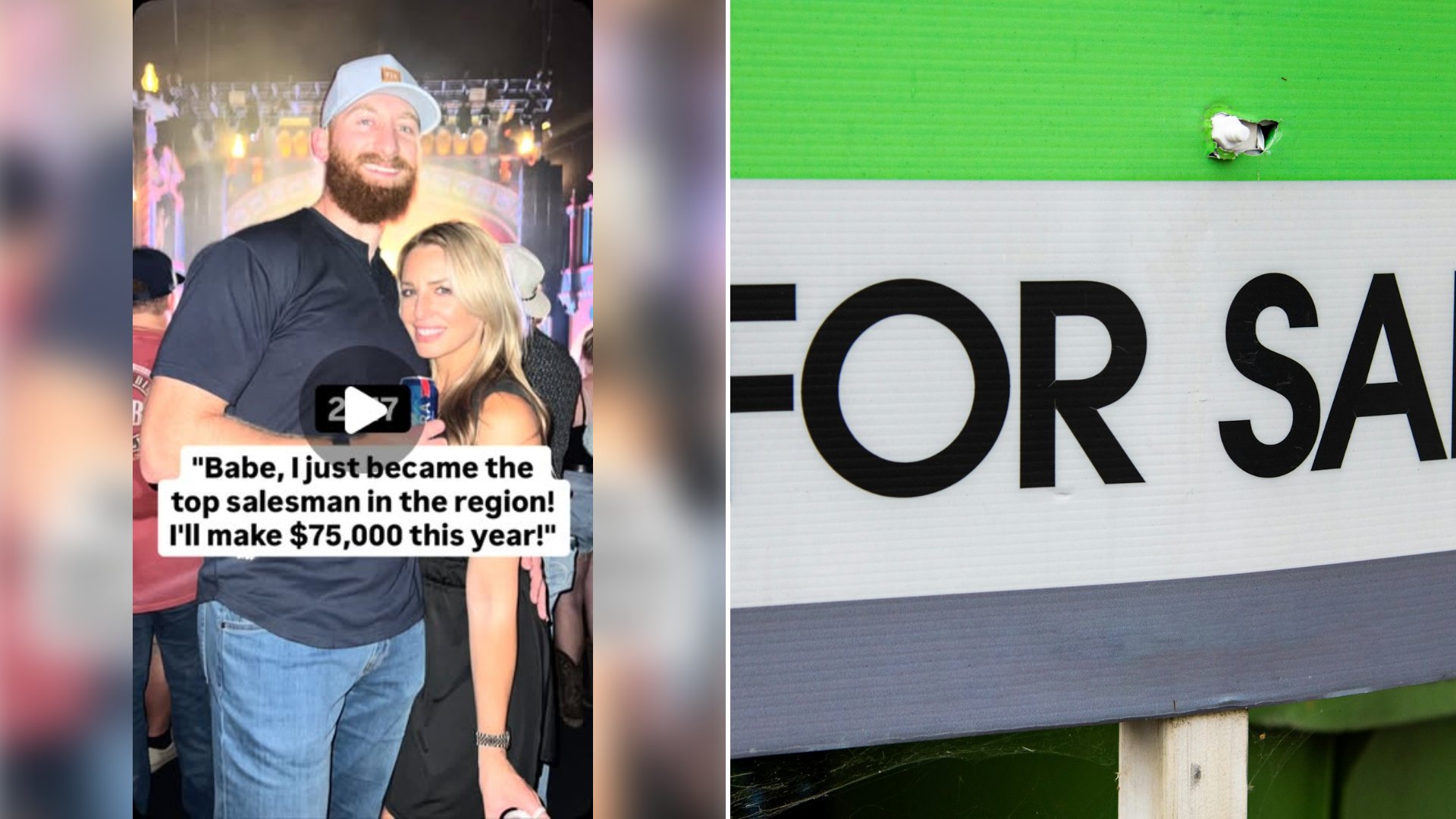
Then the burnout set in. He describes the grind catching up with him until the job that once felt like a breakthrough started to feel unsustainable, and he talks through the decision he and his partner made together to walk away from that career entirely and rebuild their life around real estate wholesaling instead.
Real estate wholesaling gets thrown around online as a quick path to real estate income, but the mechanics behind it are specific, and the margins are thinner than the hype usually suggests.
A wholesaler’s basic job is to find a property, usually one that is distressed or owned by a seller who needs to move quickly, and get it under contract at a price below market value. The wholesaler then assigns that contract to an end buyer, typically a cash investor or house flipper, for a fee, without ever actually purchasing the property themselves. That structure is what makes wholesaling attractive to people without much capital: the wholesaler is not taking out a mortgage or paying closing costs on the home itself, only putting down a small earnest money deposit to secure the contract.
The fee, often called an assignment fee, is where the actual income comes from, and it generally ranges from a few thousand dollars to ten thousand dollars or more per deal depending on the property’s value and how much room there is between the contract price and what an investor is willing to pay. That means a wholesaler typically needs to close several deals a month to replace a full time salary, and the business lives or dies on lead generation: finding motivated sellers faster and more consistently than the competition.
It is also a business with real legal guardrails that trip up newcomers. A growing number of states now require wholesalers to hold a real estate license or follow specific disclosure rules when assigning contracts, precisely because the practice can shade into unlicensed brokering if a wholesaler is marketing a property they do not own and have no legal right to sell. Anyone seriously pursuing wholesaling needs to understand their state’s specific rules before signing contracts, not after.
None of that makes the pivot in the video any less of a real reinvention. It just means the path from burned out top salesman to wholesaler running his own deals involved learning an entirely new skill set, one built on volume, legal literacy, and a completely different relationship to risk than a traditional sales job ever required.
More from Willow and Hearth
- Owners of an Abandoned NYC Townhouse Wait Almost Two Years to Restore Its Carved Staircase With a Lion and a Harp Before a Woodworker Finally Starts
- Home Inspector Walks Through a 5000 Square Foot Abandoned House Where Finished Rooms Open Onto Piles of Lumber and Old Roofing and Warns It Gets Crazier the Longer You Watch
- Real Estate Agent Shares the Moment His Client Leaves the South Bronx Apartment He Called Home for 24 Years and Steps Into a Home of His Own 45 Minutes Outside New York City
Leave a Reply