Putting up a new backyard fence is supposed to be a simple project. For one family, it turned into three days of confrontation with a neighbor, and the person who got the most credit was the contractor who stayed calm through all of it. Creator @giacreamer shared the scene as part of an ongoing neighbor saga, and the caption calls the contractor the real MVP.
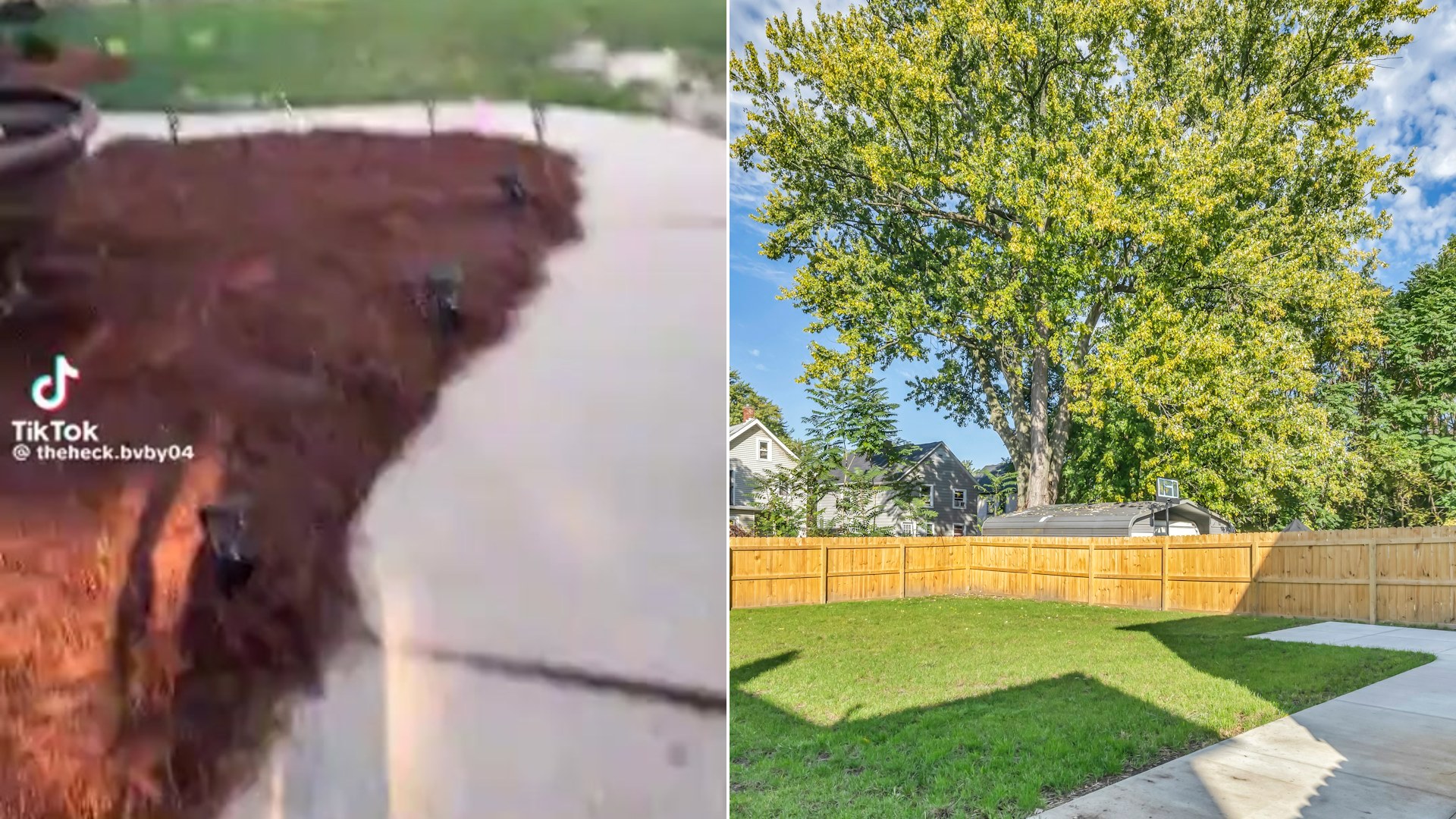
According to the caption, the contractor dealt with the neighbor’s craziness for three days while he finished the fence in the backyard. The family says they had the approval they needed before the first post went into the ground.
@giacreamer
The argument over the new fence
The recording is short and heated. A voice says that they understood there was an agreement, and then someone warns the neighbor that she is being recorded. The neighbor, according to the people on camera, is tearing the fence down. When asked why, the answer given is that the family has HOA approval.
The family says they got permission from the homeowners association, and they name the person who gave it: Nancy, the vice president of the HOA. They invite the neighbor to call Nancy. The neighbor waves that off, saying nobody pays attention to Nancy, and says the new fence is three inches into her property line. The family responds that they are the ones paying for all of this.
The scene gets loud from there, with the neighbor’s language turning rough, so we will leave the rest out. Nothing in the post settles who is right about the three inches. That question belongs to a surveyor, not to a shouting match.
The contractor who stayed calm
The caption describes the story from the contractor’s point of view, and it is the best line in the post. A fence crew arrives expecting to dig holes, set posts and hang boards. Instead, the job comes with three days of a neighbor who does not want the fence there. The caption says he finished anyway, and the family is thankful for it.
If you ever hire a contractor for something like this, a few habits are worth knowing. A good crew will keep working safely, avoid arguments with neighbors, and call the homeowner when someone shows up to complain. A good homeowner, in turn, will make sure the contractor has the paperwork in hand, such as the approval letter and the survey, so the crew can calmly point to it.
The caption adds something else: the family has court next month over their neighbors’ dogs biting their puppy, and the caption mentions the family has an HOA as well. The post does not describe the court case beyond that, and we will not guess at it.
How HOA approval for a fence usually works
The family leaned on one thing in the argument: permission from the HOA. If you live in a community with one, it is worth knowing how that process generally goes. According to a fence company’s guide to HOA fence considerations, you should get the HOA’s approval before installing anything, and your submission usually includes three items: your fence plan, a property survey and the fence specifications.
The guide says an architectural review committee, often made up of neighbors on your street, usually looks at height, fence type, materials and placement. A management company may weigh in as well. It also notes that a review fee of about $25, sometimes up to $50, is common, and that a retainer deposit of up to $500 may be required and returned after the fence is installed and inspected. Skipping the process can lead to fines, and if a fine goes unpaid it may become a lien on your property.
Notice what is on that list: a survey. HOA approval tells you the community is fine with the fence. It does not by itself prove where your lot ends and your neighbor’s begins.
Protecting yourself before the posts go in
- Get approval in writing. A verbal okay from a board member is helpful, but an emailed or mailed approval is better. Keep the plan, the survey and the specifications you submitted, along with proof of approval and any fees or deposit.
- Order a survey. A real estate guide to encroachment says the only reliable way to confirm a boundary is a current survey by a licensed land surveyor. Fences are the most common kind of encroachment, it says, because they often follow an old visual line rather than the surveyed one.
- Tell your neighbors before the crew arrives. A short, friendly note about what is coming and when can head off a lot of anger. It is also a chance to ask whether they know where the corner stakes are.
- Make sure your contractor knows the plan. Share the survey and the approval, and agree on who calls whom if there is a dispute.
- Stay calm and keep records. If someone confronts you, step back, avoid arguing, and write down what happened and when. A calm record will serve you better than a loud one.
A fence is more than boards
There is a reason fence disputes grow so heated. A fence is a line you can see, and for many people it represents safety, privacy and a sense of what belongs to them. When a new one goes up next to an old frustration, like a dog bite or a long-running feud, everything becomes about more than lumber.
This family, by the caption’s account, did what they were supposed to do by asking the HOA first. Whether the three inches in question are really over the line is something only a survey can say. Until then, the best part of the story is the contractor who kept his head down, did the job and let the paperwork speak.
If you are planning a fence of your own, the lesson is simple: get the approval, get the survey, tell the neighbors and keep it all in a folder. It is a small amount of effort compared with three days of stress.
Leave a Reply