Good fences are supposed to make good neighbors, but a fence that sits on the wrong side of the line can do the opposite. Creator @giacreamer has been sharing a long-running neighbor saga labeled Season 3 of Neighbors from Hell, and this latest chapter starts with a fence, a few inches of grass and a property line that suddenly matters a great deal.
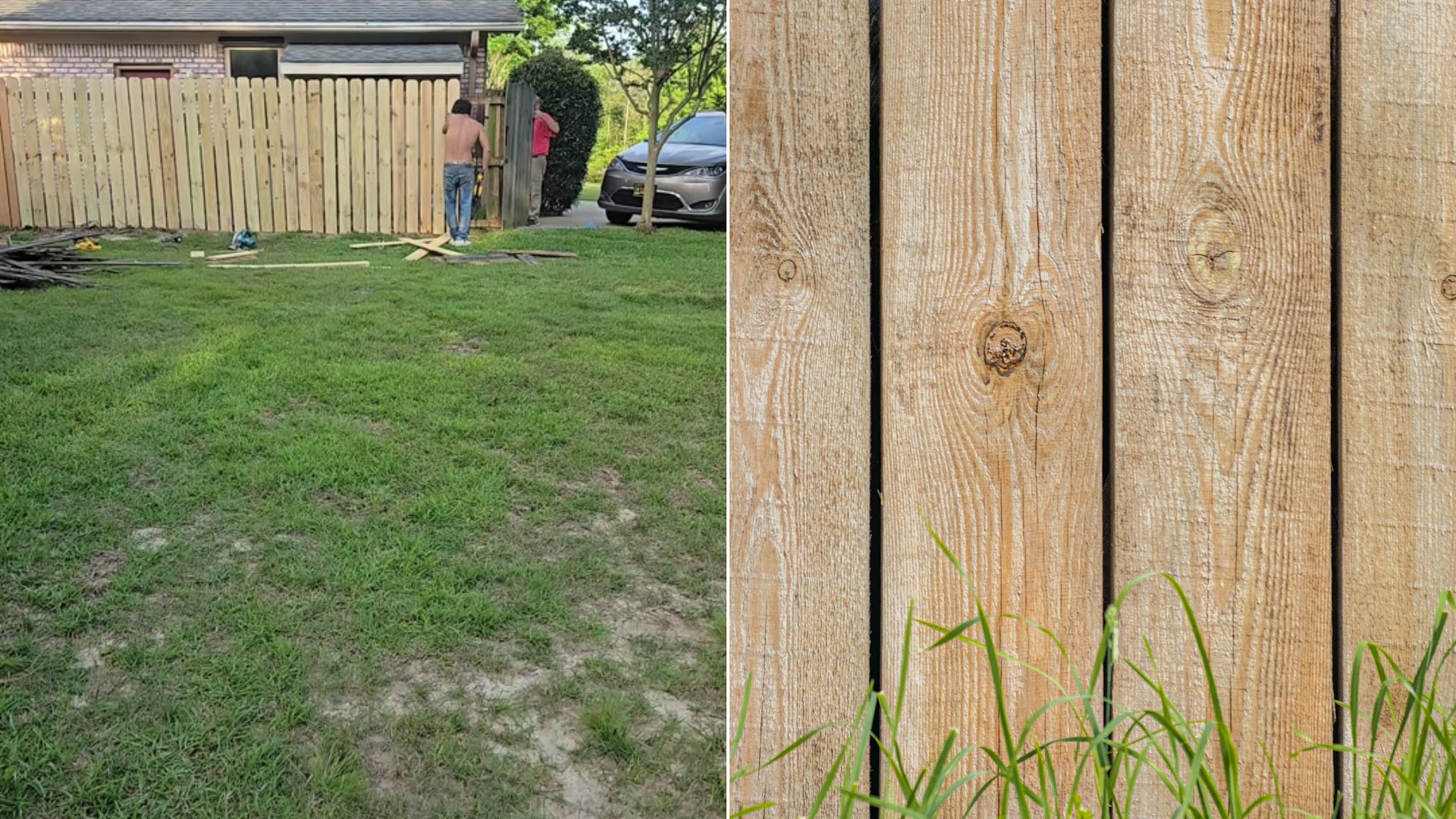
According to the caption, the couple has lived in their home for 11 years. The neighbor’s fence was three inches over into their property line the whole time, and they never put up a fight about it. The neighbors liked the gaps, the caption says, because the spaces let in air for their backyard. Then things changed.
@giacreamer
Eleven years of getting along, then a line in the grass
The caption lays out the background in a few short sentences. The couple never made an issue of the three inches. They let it go. The caption also says the neighbors’ German Shepherd bit their puppy through the fence. It is cut off after that point, so we do not have every detail from the creator.
The scene that follows is a loud one. In the recording, a neighbor argues about where the property line really is. The neighbor says that is the property line, says they can prove it and says they will have another survey done. By their account, everything on the other side will then be torn down and put on what they say is the correct line. The neighbor also says there was never a problem with anyone until the couple moved in. A dog barks in the background as the argument goes on, and birds can be heard chirping, which seems an odd soundtrack for a dispute.
The neighbor’s language got rough along the way, so we will not repeat it here. The main point is clear enough: a disagreement over a few inches, a new survey and a question of who owns what.
The creator has not said how this chapter ended, whether a survey has been done or what it showed.
How a fence ends up in the wrong place
A fence a few inches over the line is far more common than most people think. A real estate guide to encroachment calls a fence over the line the most common kind of encroachment, and says it is easy to miss because fences often follow an old visual boundary rather than the surveyed line. Fences also get replaced over the years, and a new owner can extend the problem without ever knowing it. Contractors working from string lines tied to old stakes can end up off the true boundary too.
The same guide says the only reliable way to confirm where the line is is a current boundary survey by a licensed land surveyor, not an old plat map. A surveyor sets physical markers to show where your land ends and your neighbor’s begins. When the deed, the plat, title records and markers disagree, the survey is the tiebreaker, and lenders, title insurers and courts rely on it. The guide says surveys typically cost from a few hundred to a few thousand dollars, depending on the lot size and how complicated it is.
If a survey shows your fence is over the line
Whether you are the one with the fence or the one with the three inches, the same guide lays out a calm path forward:
- Talk first. Many encroachments are unintentional, and a friendly conversation can settle things before anyone reaches for a lawyer.
- Put it in writing. A formal written notice creates a record that you have not given up your rights. That matters because in some states long, open use of someone else’s land can support an adverse possession claim, with waiting periods typically ranging from 5 to 20 years, according to the guide.
- Negotiate a fix. Options include selling a small strip of land, granting a formal easement or recording an adjusted boundary line.
- Use legal action only if you must. An attorney can pursue a removal order or damages, but the guide describes this as a last resort because it is slow and costly.
It is also worth knowing that rules vary from state to state. For a real-life example, you can read about how one state’s appeals court ruled on an old fence and a property line.
What this story shows about being a good neighbor
The couple in this story say they let the three inches go for more than a decade. That kind of patience is a gift to a neighbor, but it can also leave questions open that come back later. A friendly written note at the time, something like “we are fine with this for now”, can help keep everyone on the same page without ruining a relationship.
If you are planning a fence of your own, order a survey first and make sure the stakes are in the ground before the first post goes in. If you are buying a house, ask whether a recent survey exists. And if your neighbor ever brings up the line, try to keep your voice down and your phone away from the argument. Property lines are measured in inches, but the feelings around them can last for years.
Most of all, remember that a dispute like this is rarely only about three inches of grass. It is about trust, and trust is easier to keep than to rebuild.
Leave a Reply