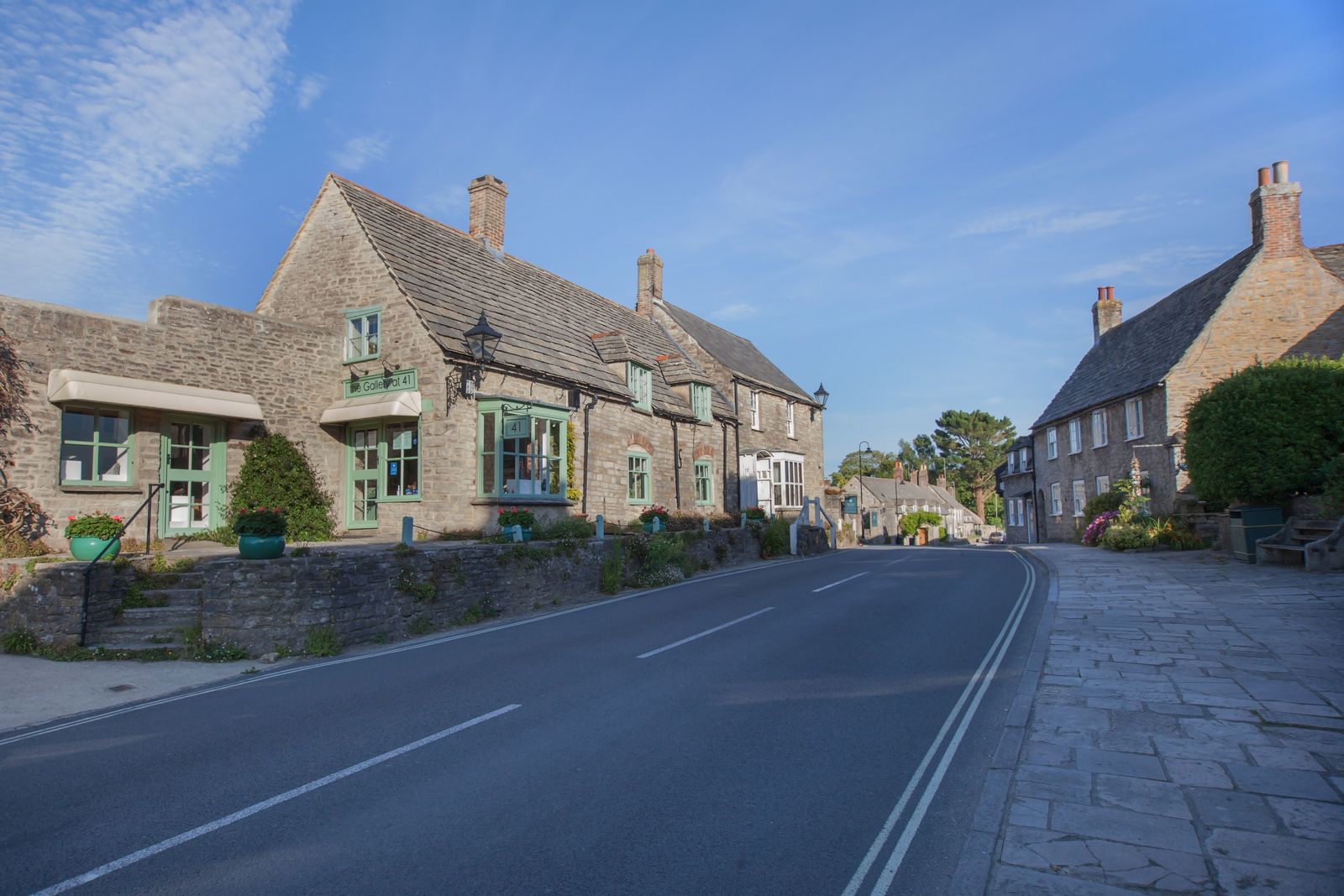
Most people who want a piece of the past settle for a farmhouse table or a salvaged barn door. One family outside Verndale, Minnesota decided to keep the whole town. On 20 acres of rural land, they’ve assembled a private compound anchored by a barn-style home and surrounded by a cluster of historic structures — a bank, a one-room school, a cantina and a garden movie theater — built and gathered piece by piece rather than bought off a shelf. The property is now on the market for $1.4 million, according to the Minnesota Star Tribune, which first reported the listing.
A Compound Built From What Was Being Torn Down
The main residence is a roughly 6,135-square-foot barn house with five bedrooms, built in 2017 on 20.47 acres, according to listing records from Coldwell Banker and Hinkle Realty. But the square footage of the house is only part of the pitch. What sets the property apart is everything built around it: a bank building, a schoolhouse, a cantina and an outdoor movie theater tucked into the surrounding grounds, arranged like the remains of a small town that never quite disappeared.
A regional Minnesota paper covering the property put the concept plainly in its own headline, describing how the compound “gives discarded history a second life,” per the Wadena Pioneer Journal. That phrase gets at what makes this listing different from the usual big-lot country estate: instead of building new outbuildings from scratch, the owners appear to have worked from structures and materials that were otherwise headed for demolition, repurposing them into a working cluster of buildings on land along the Wing River in Wadena County.
Minnesota’s Real Ghost Towns Set the Backdrop
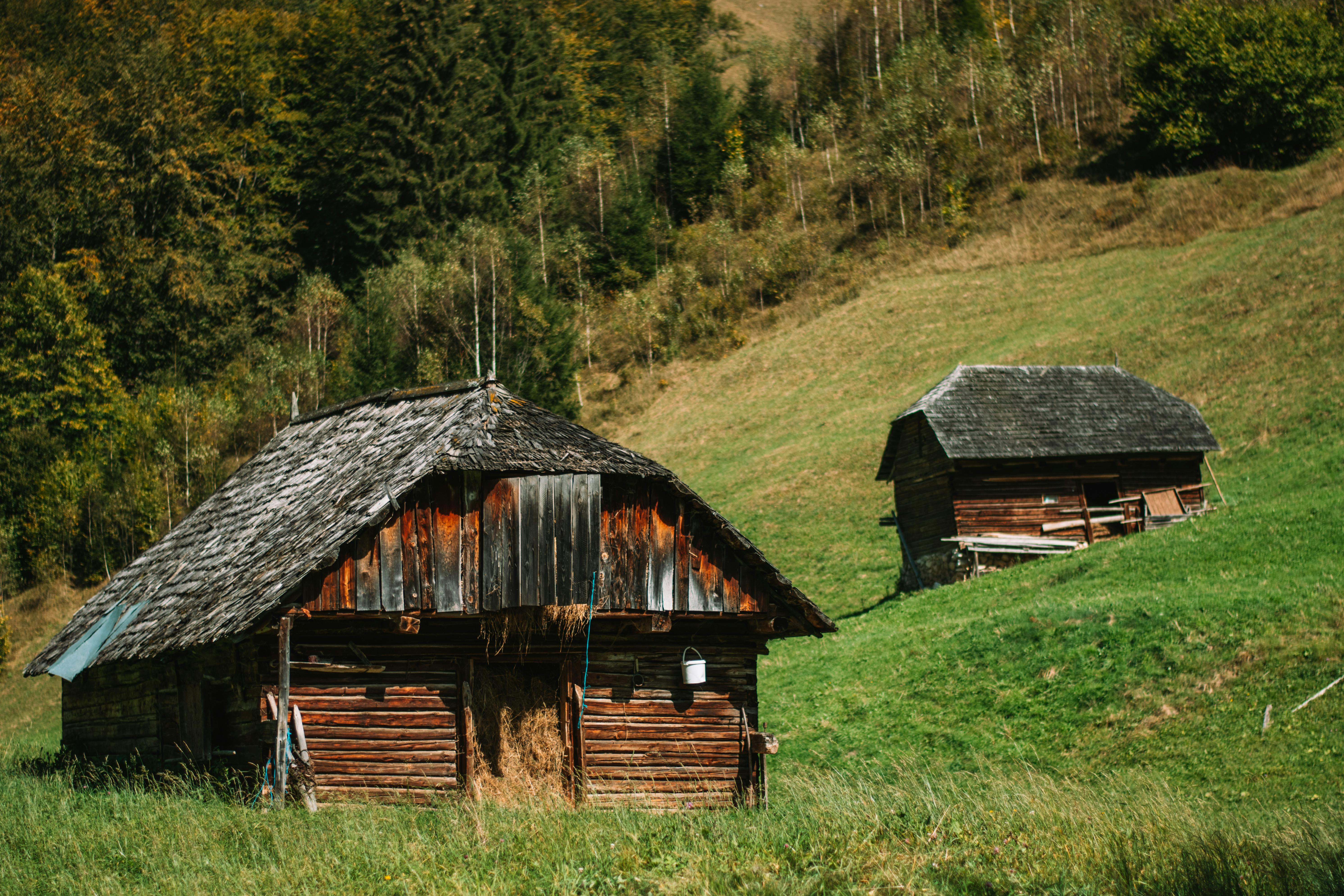
The framing of this listing as a “ghost town” isn’t just marketing flourish. Minnesota has a long, documented history of towns that boomed and then emptied out — rail stops, mill towns and river settlements that grew fast in the 1800s and then withered when the railroad moved, the mill closed, or the county seat landed somewhere else, according to the Star Tribune’s own reporting on the state’s ghost towns. Places like Old Crow Wing and Forestville once had their own banks, schools and gathering halls before they were abandoned outright, leaving behind exactly the kind of structures this Verndale property appears to be channeling — just relocated, restored and reassembled around a single private residence instead of left to rot in the open.
That context matters for anyone trying to make sense of why a family would go to this much trouble. A pole barn or a pool house is a normal flex for 20 acres in central Minnesota. A bank building and a school are not standard amenities on any listing sheet, and getting them onto one property means someone had to identify structures worth saving, arrange to move or rebuild them, and then find a way to make them livable or usable again. It’s the kind of project that takes years, not a single construction season, and it shows in the sheer variety of spaces on offer: a residence, a commercial-style building, an education-style building, a food-and-drink space, and an entertainment venue, all under one deed.
What a Buyer Actually Gets
The listing is active under MLS #7033903, per Coldwell Banker’s current inventory for the area, meaning the property is still on the market as of this writing rather than already under contract. For $1.4 million, a buyer isn’t just getting a large rural house — they’re getting an assembled hamlet, complete with the kind of gathering spaces a normal single-family property would never include: somewhere to run a small business out of the bank building, somewhere to hold events in the schoolhouse, and a garden theater built for evenings that don’t require driving anywhere.
It’s a strange kind of real estate proposition, closer to buying a mini historic district than a house. Whoever eventually closes on the Verndale compound isn’t just inheriting a barn house on the Wing River. They’re inheriting a small, privately maintained slice of the Minnesota towns that didn’t survive — rebuilt, repurposed, and priced for sale.
Unique-property listings like this one tend to sit at an odd crossroads in the market. They’re too specific to appeal to the average move-up buyer shopping for square footage and school districts, and too polished and livable to interest a preservation group looking for a raw restoration project. That leaves a narrower pool of prospective owners: people drawn specifically to the idea of living inside a working piece of assembled history, with enough acreage around them that the bank, the school and the theater don’t feel like novelty props but like actual rooms in daily use. For that buyer, the price tag isn’t really for a house at all — it’s for decades of someone else’s labor spent making sure a handful of buildings that history had already written off got to stand a little longer.
Leave a Reply