Some renovations begin with paint swatches and measuring tape. Others begin with a locksmith, a pry bar and a heavy vintage door that nobody has opened in a very long time. For the owners of one old department store building, the second kind of renovation delivered a moment worth holding their breath for.
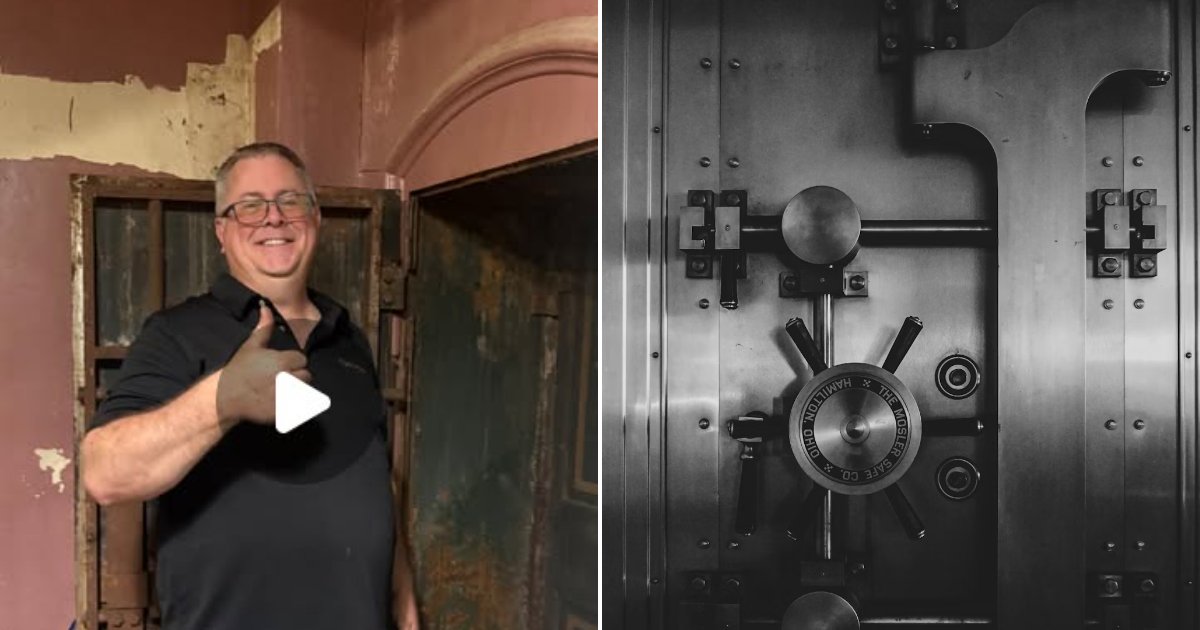
The discovery was shared by @dogearedbooksames, who walk through the opening of a long sealed vault inside their renovated space.
View on Instagram
Prying open the outer door
The scene is set in a dim, unfinished room in the middle of renovation. A locksmith, introduced as Jimmy the Lock Doc, leans into a heavy vintage pink vault door with a pry bar while onlookers react nearby. After a tense stretch, he declares that they have found their way in. The rusted outer door swings open, and an ornate inner set of painted double doors with decorative gold trim comes into view.
Jimmy explains what makes the setup typical. The outer door is where the dial would have been, the inner door sits behind it, and there is usually a shelf inside where money or other valuables would have been kept. When the inner doors give way, the owners can hardly contain themselves. Behind them is a packed brick interior, and someone says there is stuff in there.
Boxes, ledgers and receipts
In the second half, the scene becomes a narrated tour lit by flashlight. Floor to ceiling wooden shelves hold decaying vintage boxes, ledgers and sales receipts. Brand names on old packaging, including Marlboro and Kaynee, appear on screen, along with the name Tilden’s. The narrator explains that the vault holds boxes and boxes of paperwork documenting day to day sales at the Tilden Department Store, with more visible further back that they cannot reach yet.
They also say that this was only one of two safes in the renovated space. Getting into the second one is the next goal, and the narrator hopes to learn what life in 1950 or earlier looked like inside the store. Because the material is old, they ordered gloves, goggles and masks so they can go through it safely.
Why old buildings hide vaults
Before modern banking and digital records became routine, many businesses kept cash, ledgers and important papers on site. A department store would have had a strong room or vault to protect receipts and money overnight. When stores close and buildings are sold, vaults are often sealed rather than removed because the heavy doors and thick walls are hard to take apart. Later owners can inherit them without any key, combination or record of what remains inside.
Finds like this are also reminders that commercial buildings, like houses, have layered histories. The paperwork inside a vault can document prices, staffing and customers in a way that few other sources can.
Handling old documents and sealed rooms safely
- Wear gloves, eye protection and a well fitted mask, as these owners did. Old paper, dust and sealed spaces can carry mold spores and other irritants.
- Ventilate the area before and during the work, and do not linger in a space that has been sealed for decades if air quality is uncertain.
- Let a professional locksmith handle antique vault doors. Forcing one open without experience can damage the mechanism and may be dangerous because of the weight.
- Photograph items where they sit before removing them, so the original order stays on record.
- Handle fragile paper as little as possible and keep it flat, dry and out of direct sunlight until you know what you have.
- Older buildings can contain hazards such as lead paint or asbestos, so ask a licensed professional about testing before disturbing materials during a renovation.
What happens to a find like this?
Owners often wonder what to do with a trove of old records. Local historical societies, museums and libraries are frequently interested in documents tied to a community landmark such as a long gone department store. An archivist can advise on storage and preservation, and many are glad to answer questions even if you decide to keep the materials yourself.
If you ever find valuables or sensitive papers in a building you have just purchased, check the purchase paperwork and consider asking an attorney who knows local property law about what to do next.
Takeaways
A renovation can reveal as much about the past as about the future. The best approach is slow and careful: bring in the right experts, protect your health, document everything, and treat the discovery as a piece of local history. Not every sealed door leads to treasure, yet even a room full of receipts tells a story about the people who once worked and shopped there.
Credit for the original post goes to @dogearedbooksames on Instagram.
Leave a Reply