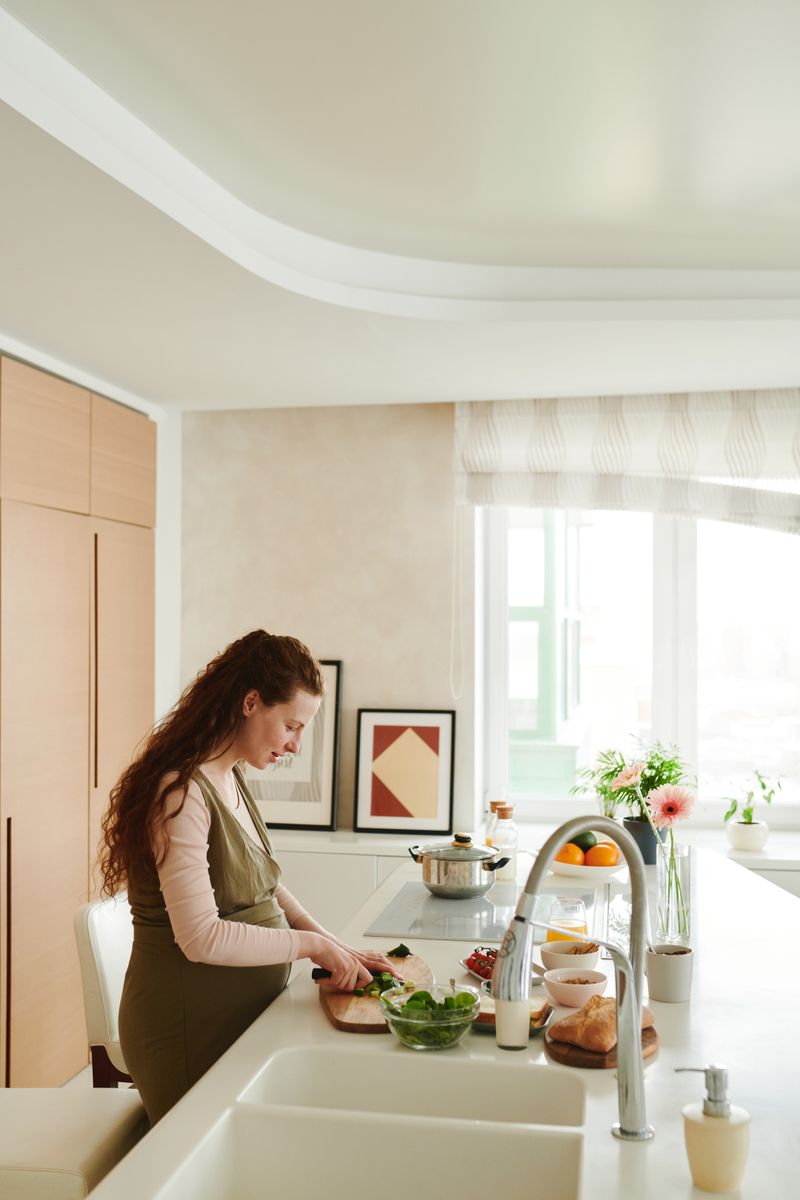
A pregnant healthcare worker’s challenging living situation with her in-laws has sparked a heartfelt online discussion about family dynamics and personal expectations. At 32 weeks into her pregnancy, the tenant finds herself juggling the demands of her job while also cooking, cleaning, and preparing for her child’s arrival—tasks she feels should be shared among all adults in the household.
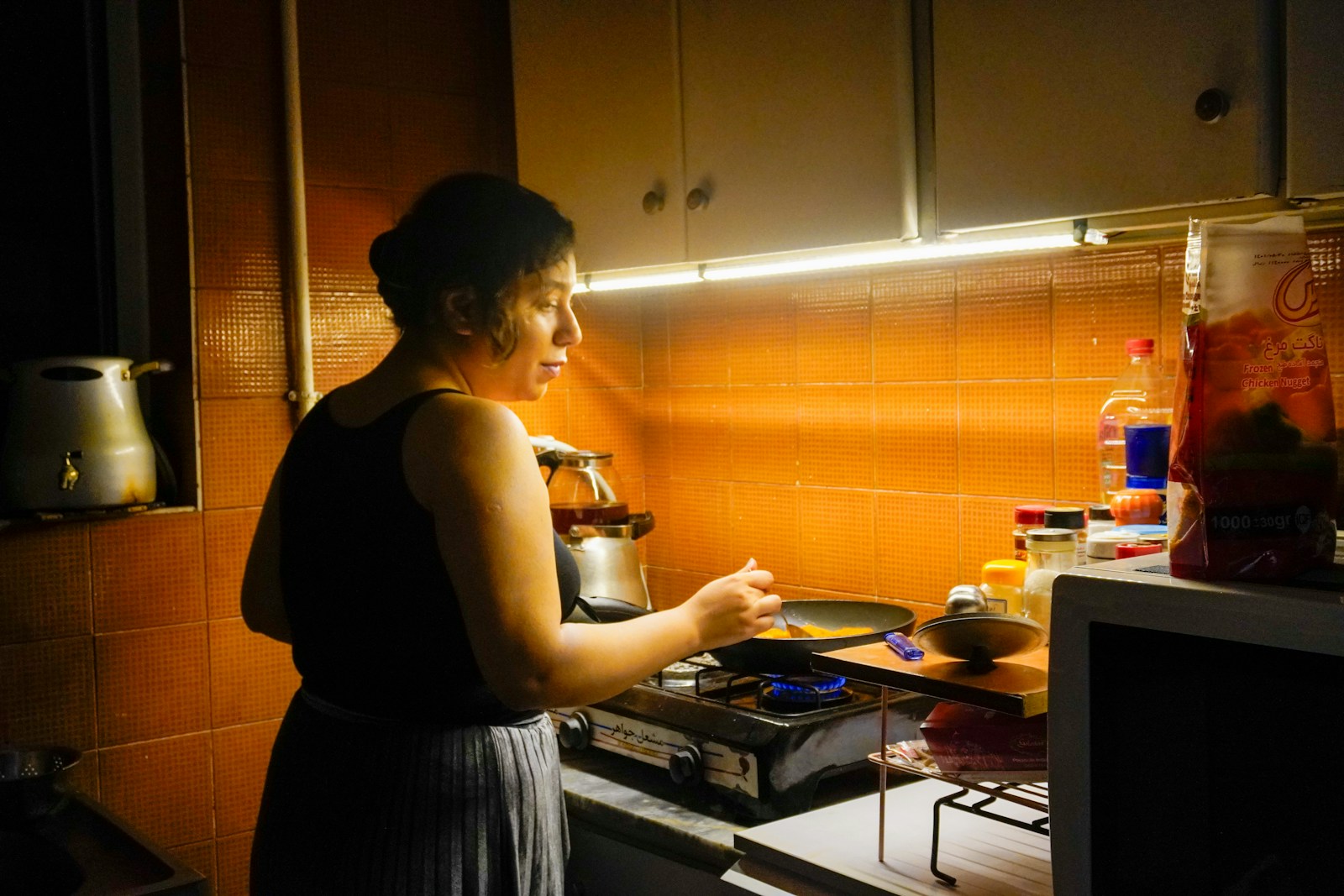
The tenant lives with her in-laws, a common practice in her culture. However, the arrangement is taking a toll on her physical and mental well-being. Despite her mother-in-law being home most of the time with a flexible job, the tenant bears the brunt of household responsibilities. Each day after her long shifts in healthcare, she returns to a home where she is expected to prepare meals, maintain cleanliness, and build a nursery, often feeling like she is the only one making an effort.
“I thought I’d get a little bit of slack for being pregnant, but that’s not really happening,” she lamented, highlighting her disappointment as she continues to meet demands without support. Her husband’s reassurance that he would speak to his mother about sharing responsibilities has yet to materialize, adding to the tenant’s growing frustration.
The situation reached a breaking point during a recent birthday celebration for her brother’s fiancée. While preparing dinner, she asked her husband to pick up flowers for the occasion, only to be disappointed when he returned with poorly presented blooms. She felt they weren’t appropriate for a gift, which fueled a subsequent conversation about priorities and responsibilities at home. Unable to contain her emotions, she later broke down in tears, overwhelmed by the lack of support.
“I just feel like I’m the only one that’s trying to keep up with everything,” she expressed, emphasizing her desire to have the nursery ready before her baby arrives. The idea that others dismiss her need to prepare because the baby will initially sleep in her room only added to her sense of isolation.
As she works full-time, the tenant has become increasingly conscious of how her home environment affects her. With limited support from her in-laws and ongoing tension with her husband regarding the household dynamic, she feels trapped in a cycle of responsibility with no relief in sight. To complicate matters, her visits to her parents’ house offer little escape, often marked by their bickering, leaving her feeling further cornered.
In the ensuing online discussion, readers empathized with the tenant’s plight, with many expressing frustration over the lack of support she receives. Some pointed out that her husband’s failure to communicate with his mother about contributing to the household was a critical issue. Others highlighted the need for shared responsibilities among all adults living under the same roof, echoing her sentiments about fairness and equity.
While many readers offered their sympathy, a few suggested that the tenant needed to be more assertive in defining her boundaries. This conflict between family obligations and personal well-being resonated strongly with those who commented, reflecting a shared understanding of the challenges faced by individuals navigating complex family dynamics.
Ultimately, the tenant feels a profound sense of isolation as she prepares for the arrival of her child, caught in a difficult balance between familial duty and personal need. Although the prospect of moving out has been discussed, for now, she remains in a situation that feels increasingly untenable. Her desire for support highlights the underlying complexities of shared living arrangements, especially during a time that should be filled with anticipation and joy.
More from Willow and Hearth:
Leave a Reply