Few things sting like handing back the keys to a rental you left spotless and then watching the security deposit shrink on a list of deductions. Landlords and tenants often tell very different stories about the same apartment, and when it comes down to one person’s word against another’s, the person with proof usually has the advantage.
That is the heart of why renters keep losing deposit money they might have kept. It is rarely about bad people on either side. More often it is a handful of simple steps that did not get done: no photos at move in, no photos at move out, paperwork skipped, and repairs that were never written down.
Rules about deposits vary from state to state, including how long a landlord has to return the money and what can be deducted, so check the rules where you live. But the habits below help in almost any place.
Mistake One: No Move In Photos
The day you get the keys is the best time to protect yourself, and it is also the day when you are busiest, with boxes, movers and a long to do list. So the walk through gets skipped. Months or years later, a scuffed floor, a stained carpet or a chip in the counter shows up on the deduction list, and you have no way to show it was already there.
Before you bring in a single box, take your phone and photograph every room. Get wide shots and close ups. Photograph the floors, the walls, the ceilings, the inside of the oven, the refrigerator, the sinks, the tub, the closet doors, the windows and the blinds. If something is already damaged, photograph it and consider a short video where you walk through the room and talk through what you see. Phone photos are usually stamped with the date and time, which helps show when they were taken.
Mistake Two: No Move Out Photos
Move in photos show how the place started. Move out photos show how you left it, and they are just as important. Many renters clean for hours and then walk out without taking one picture of the result.
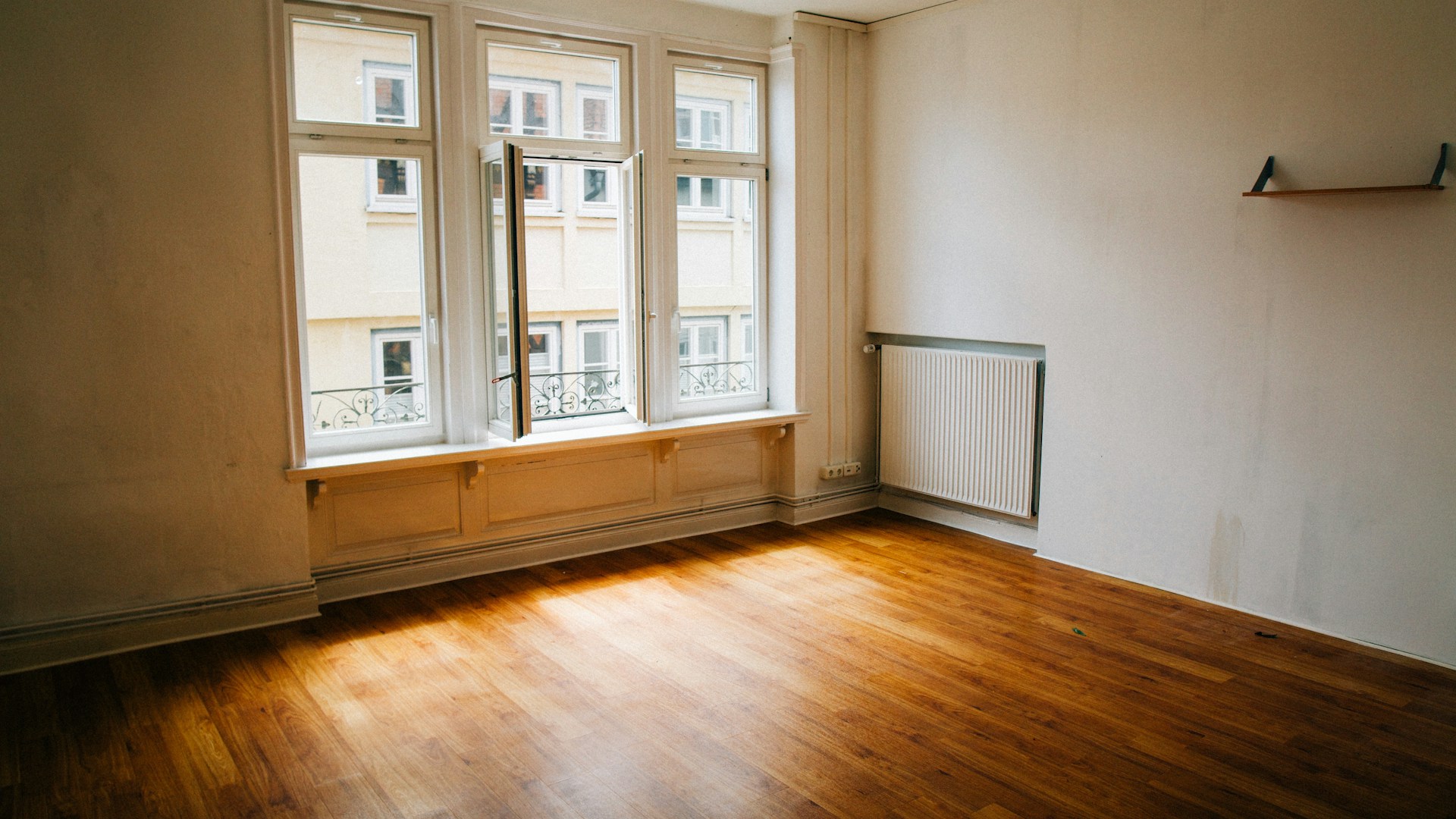
Once you are done cleaning and the place is empty, repeat the same walk through. Photograph every room from the same angles you used at move in, so the before and after pictures can be compared side by side. Open the cabinets and the closets. Show the oven and the refrigerator. Show the floors, since carpet and flooring are common sources of deductions.
Mistake Three: Skipping The Paperwork
Photos are strong, but paper helps too. Many landlords give a move in condition checklist. If yours does, fill it out carefully rather than checking boxes quickly, and keep your own copy. If you were not given one, write your own list of what you saw, date it, and send it to the landlord by email so there is a record that it was shared.
At the end of the lease, ask whether a move out inspection is offered, and if so, try to be there. Some renters like to ask for a walk through ahead of time so there is a chance to fix small things before the last day. Keep a copy of anything you sign.
Finally, give the landlord your forwarding address in writing. If the deposit is mailed to an address you no longer use, getting it back can turn into a hassle that has nothing to do with the condition of the place.
Mistake Four: Repairs That Were Never Documented
Another common problem is a repair that was talked about but never written down. A faucet drips, a window will not latch, or a door sticks, and you mention it to the landlord in the hallway. Later, that problem can look like damage you caused.
Make repair requests in writing, whether through an email, a portal or a letter, and save the replies. Keep photos of the problem. If something got fixed, note the date. If it was never fixed, that record shows you reported it. A short, polite message with a photo takes a couple of minutes and can save a long argument later.
A Simple Routine To Follow
- At move in, photograph and video every room before bringing in belongings, then email the images or a short condition list to your landlord.
- During the lease, report problems in writing and keep copies of everything.
- Before move out, ask about an inspection and what the landlord expects, and fix small things you caused yourself.
- At move out, photograph every room after cleaning, from the same angles as before.
- Give your forwarding address in writing and keep your records until the deposit is back in your hands.
Fair For Both Sides
This approach is not about catching a landlord out. A landlord can protect their property from real damage, and good landlords are glad to see a tenant who keeps careful records, because it makes the end of the lease simpler for everyone. Normal wear and tear is a different thing from damage, and each state sets its own rules for what counts as which, so look up your state’s rules before you sign and again before you leave.
The idea is simply that both sides have the same facts in front of them. If a disagreement does happen, a folder of dated photos and a few emails can turn a back and forth argument into a conversation about what the pictures show.
Your phone is already in your pocket. A few minutes of photos on the first day and the last day, and a little paperwork in between, can be the difference between getting your deposit back and writing it off as a loss.
More Stories You May Like
- Former Landlord Says In Some Places Your Security Deposit Is Supposed To Earn Interest, And Tenants Who Never Asked Have Been Leaving Money Behind
- They Plan To Restore A 130 Year Old Abandoned Farmhouse With No Power, No Water And No Plumbing, And Will Close In The Porch For A Bathroom
- Homeowners Find A Hidden Box In Their Attic Wall With A Key Rattling Inside A Mirror And Open It To A Burnt Ouija Piece And A Lock Of Hair
Leave a Reply