
As a seasoned workaholic prepares for retirement, a young mother finds herself grappling with an unexpected dilemma: how to navigate the relationship between her daughter and her soon-to-be idle mother-in-law. The potential for a contrasting parenting style has left the mother anxious about her child’s upbringing, leading her to voice concerns about her mother-in-law’s influence.
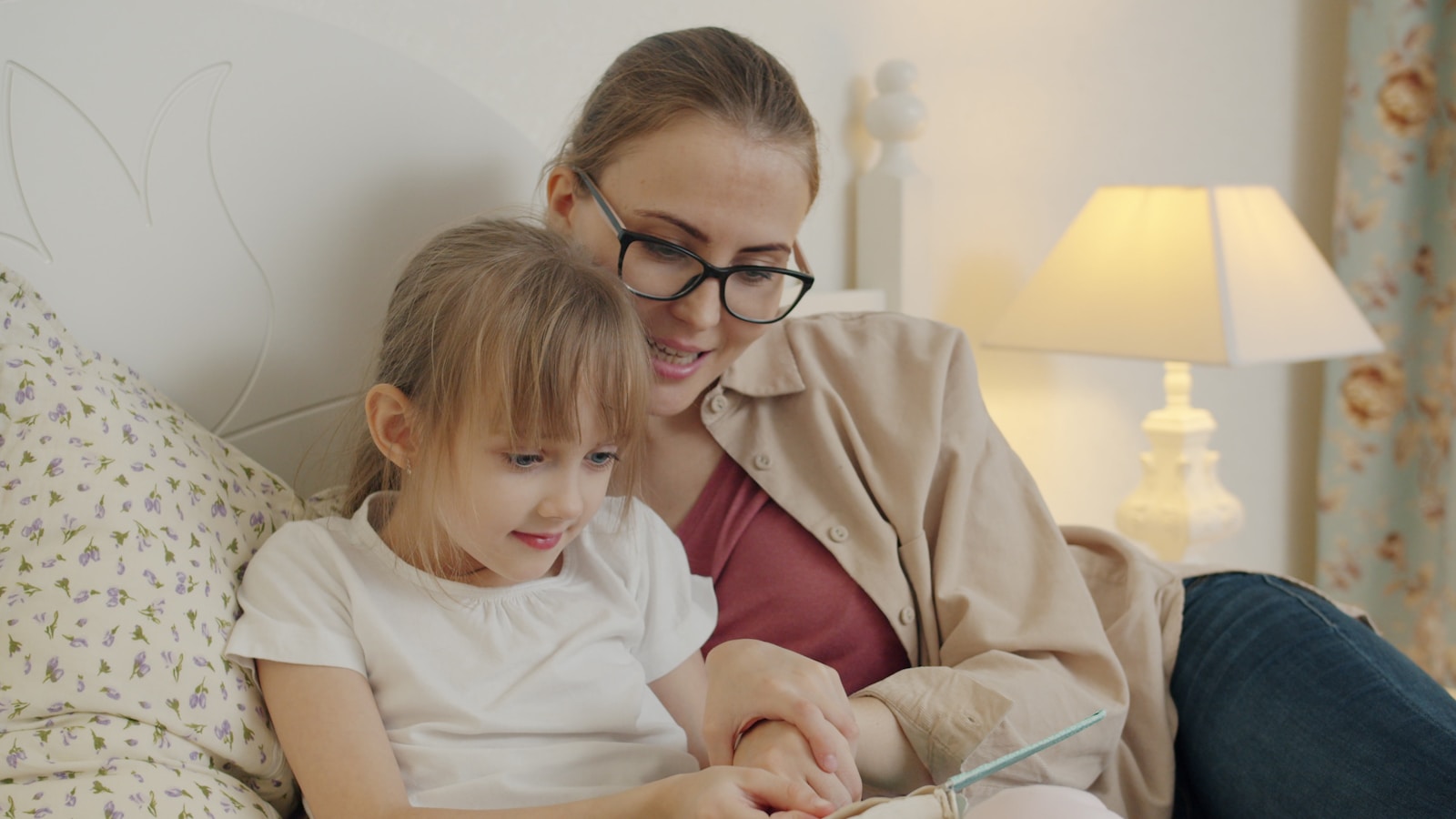
The mother shared her concerns after eight years of marriage, during which she felt relatively unbothered by her mother-in-law’s intense work commitments. However, with retirement on the horizon, those once-comforting boundaries seem poised to dissolve. “I am afraid that since she won’t be doing anything anymore, then she might stay in our house majority of the days because she has only one grandchild,” the mother explained. Despite appreciating her mother-in-law’s love for her child, she is wary of what that love might entail in a more hands-on role.
The poster describes her mother-in-law as free-spirited and somewhat tomboyish, contrasting sharply with her own calm and feminine approach to parenting. The mother asserts that her mother-in-law’s lack of hygiene and certain questionable values leave her feeling uneasy about the latter’s potential influence on her daughter. “Her integrity is questionable too,” she noted, hinting at deeper concerns that seem to cut to the heart of their differing worldviews.
The mother’s apprehensions were further fueled by a specific incident in which her mother-in-law suggested to her daughter that she should stop being “soft” to avoid bullying. “I really don’t like her approach in raising kids!!!” the mother exclaimed, concerned that those sentiments might lead her daughter to adopt traits that diverge from her own values. The thought of her daughter becoming more aggressive or loud, like her mother-in-law’s upbringing, is something she desperately wishes to avoid.
As the retirement date nears, the mother is left questioning how to create boundaries without alienating a family member who has already played a supportive role in their life. Though she appreciates her mother-in-law’s affection for her grandchild, the thought of her moving in permanently and potentially overshadowing her own parenting style is a heavy burden to bear.
Readers seemed to latch onto the fundamental conflict of differing parenting philosophies. Many focused on the generational clash, noting the tension that often arises when older relatives step into a more involved role in their grandchildren’s lives. Some expressed sympathy for the poster’s plight and suggested the importance of establishing clear boundaries before retirement takes hold. Others hinted at the need for a candid conversation about expectations as her mother-in-law transitions into a new phase of life.
Despite the communal understanding around the difficulty of navigating this new dynamic, the poster remains conflicted. Her love for her mother-in-law is evident, yet it coexists with a palpable anxiety about her parenting methods and values. The impending retirement raises questions about how to balance familial love with personal philosophies, underlining the complexity of family relationships when roles shift and boundaries blur.
As the poster prepares for this major life transition, the future remains uncertain. Will the mother-in-law become a constant presence in her home, or will they find a way to forge a more harmonious relationship? Only time will tell, but it is clear that this mother has a steep hill to climb as she endeavors to protect her child’s upbringing while maintaining family harmony.
More from Willow and Hearth:
Leave a Reply