It costs about five dollars and takes a minute to swap. Most people forget it exists until the furnace starts struggling.
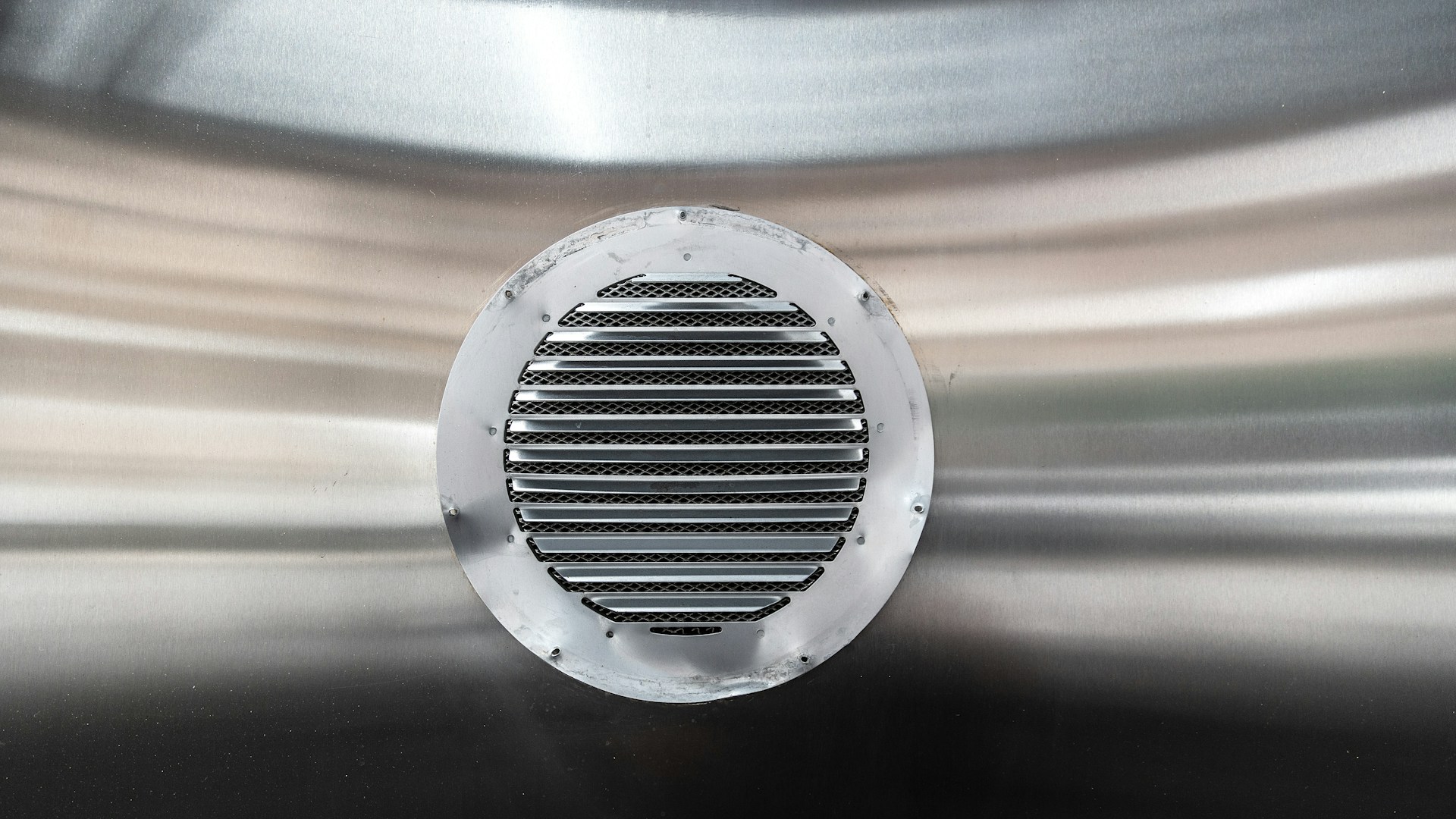
A furnace filter is the least glamorous part of a heating system, and a home expert at This Old House says it matters more than almost anything else you can do in winter. Richard Trethewey put it plainly: “all the air that your family is breathing comes through this filter”.
The details come from a This Old House guide by Alexis Carthan, updated in April.
How Often To Change It
The guide says to change a standard filter every 60 to 90 days. The EPA suggests checking it monthly, which is easy to do by holding it up to a light.
If you can no longer see light through it, or it looks gray and fuzzy, it is done. Pets and allergies mean more frequent changes.
What The Filters Cost
Fiberglass filters run about $5. Pleated filters cost roughly $30 to $50, and HEPA types $20 to $100.
Professional furnace cleaning ranges from $60 to $400, with an average around $150. That is a reminder that a cheap filter can protect an expensive system.
Why A Cheap Filter Is Not The Whole Story
Filters are rated by MERV, a scale of how well they trap particles. The guide says MERV 7 to 12 is typical for homes, and 13 or higher counts as high efficiency.
A basic fiberglass filter mostly protects the furnace from big debris. Pleated filters catch finer dust, which is what many families are trying to avoid breathing.
Getting The Right Size
The size is printed on the frame of the filter you have now. Write it down or take a photo before you shop, because a filter that does not fit lets air slip around the edges.
Make sure the arrow on the frame points toward the furnace, in the direction air travels.
A Five Minute Winter Routine
- Turn the furnace off before opening the filter slot.
- Slide out the old filter and note the size.
- Slide in the new one with the arrow pointing toward the furnace.
- Write the date on the frame with a marker.
- Set a reminder on your phone for the next change.
Signs Yours Is Overdue
Rooms that feel stuffy, dust that returns a day after cleaning, and a furnace that runs longer than it used to can all point to a clogged filter. None of these prove it, but the filter is the cheapest thing to check first.
A blocked filter makes the blower work harder. That can mean higher bills and extra wear on the equipment.
Buying In Bulk
If you use the same size every time, buying a multipack saves a trip and keeps you from skipping a change because there is none in the closet. Store spares near the furnace so the job is right there when you need it.
Check the price per filter. A pleated filter that lasts the full interval can cost less per month than a cheap one you change twice as often.
When A Filter Is Not Enough
If someone in the house has allergies or asthma, talk with a heating professional about a higher rated filter. Not every furnace can handle a thick, high-efficiency filter, because dense material restricts airflow.
Ask before you upgrade. A filter that is too restrictive can hurt performance instead of helping it.
The same guide notes that a professional cleaning can make sense if the system has gone years without attention. For routine upkeep, though, the filter does most of the work, and it is the one job every homeowner can do alone.
Make It Automatic
The best schedule is the one you will actually follow. Many people tie it to the clock change, the first of the month or a birthday. Pick a date and put it on the calendar now, before the cold sets in.
What It Looks Like When Neglected
A filter left in place for a full year is easy to spot. It is packed with gray lint, pet hair and dust, and air struggles to pass through it. Replacing it is usually as easy as it ever was, but the furnace has been working against that wall all season.
If you have just moved into a home, check the filter on day one. You have no idea when the last owner changed it, and the answer might be never.
Do Not Forget Other Vents
While you are at the furnace, look at the supply and return vents around the house. Furniture, rugs and curtains can block them. Moving a couch away from a return vent costs nothing, and it lets the system breathe.
A quick vacuum of the vent covers removes the dust that collects there, and it keeps that dust from heading back into the rooms you live in.
More Stories You May Like
- Ice Dams Form When Heat Escapes Through Your Attic So Insulation And Ventilation Beat Heat Cables Alone And Chipping Ice Is A Bad Idea
- Wrong Size Dirty Or Overpriced Furnace Filters Quietly Strain Your HVAC System So Check The Size On The Frame And Follow The Schedule
- Kitchen Countertop Guide Warns That Quartz Can Crack From A Hot Pot While Marble Etches From A Drop Of Lemon Juice And Granite Needs Sealing Every 1 To 2 Years
Leave a Reply