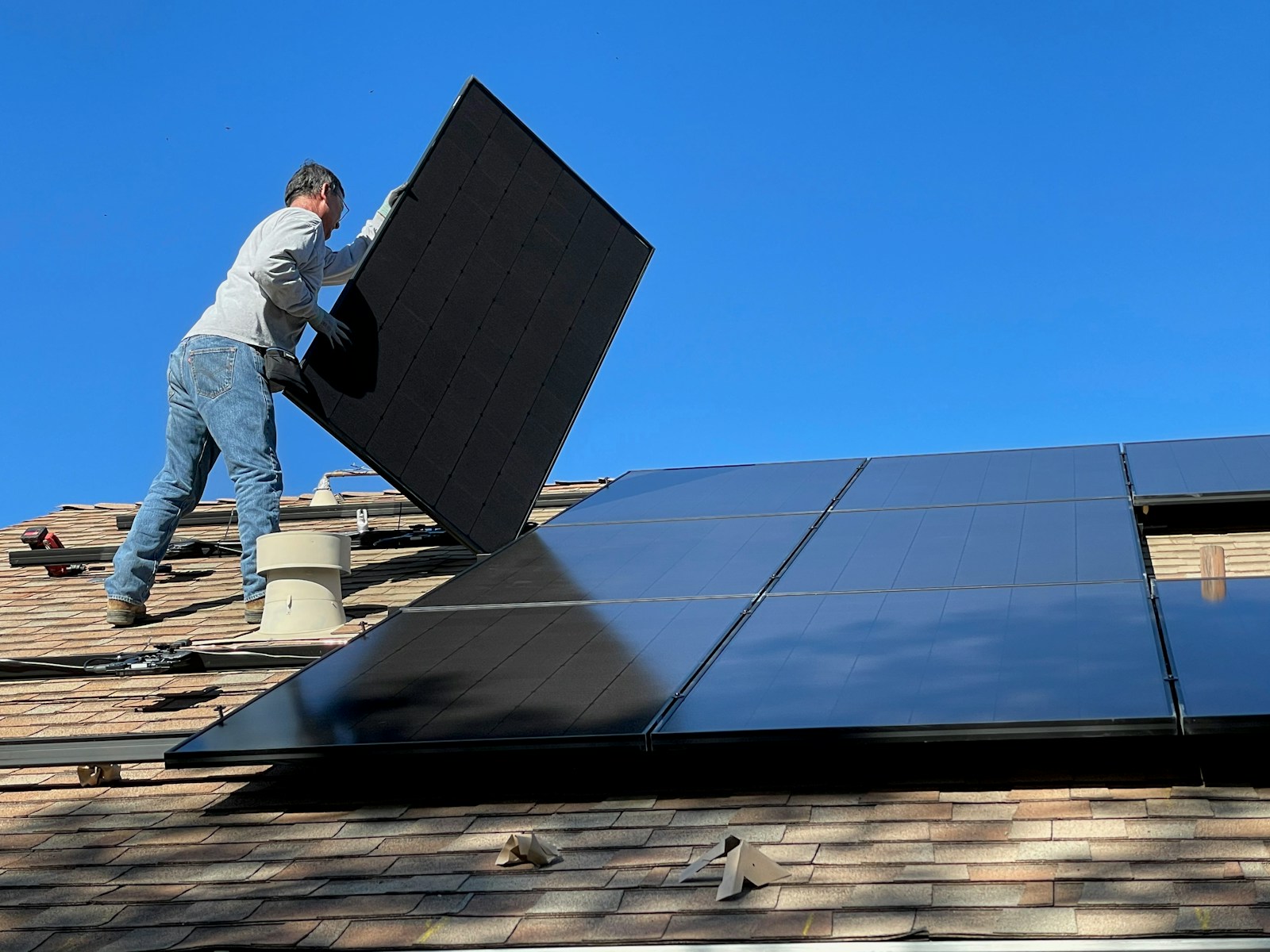
Two federal tax credits that homeowners used to offset insulation, heat pumps, windows, and solar installations expired on December 31, 2025. If your project wasn’t placed in service, or your clean-energy expenditure wasn’t completed, by that date, there is no federal tax credit on your 2026 return.
Key Points
- The Energy Efficient Home Improvement Credit (Section 25C) and Residential Clean Energy Credit (Section 25D) both ended for 2026 under Public Law 119-21, the “One Big Beautiful Bill,” signed July 4, 2025.
- Plenty of home-improvement content published in 2024 and 2025 is still circulating the old credit percentages and dollar caps online; those figures no longer apply.
- A separate, non-tax program, the Department of Energy’s Home Energy Rebates initiative, is live in a growing number of states and works differently from a tax credit.
- Some state energy offices and utilities still run their own rebate programs independent of the federal government.
What Actually Changed
Under Public Law 119-21, the IRS confirms that the 25C credit “will not be allowed for any property placed in service after December 31, 2025,” and the 25D credit “will not be allowed for any expenditures made after December 31, 2025.” The IRS guidance also clarifies a detail that trips people up: for solar and battery storage under 25D, an expenditure counts as “made” when installation is completed, not when you paid for it. A system bought in November 2025 but not installed until January 2026 does not qualify.
Before this law, 25C covered up to 30% of insulation, windows, doors, and energy-audit costs, with annual caps by category, while 25D covered 30% of solar and battery storage costs with no dollar cap. Both are now zero for any 2026 project, with no phase-down or grace period.
What Still Exists
The credits above are gone, but a different kind of program is not: DOE’s Home Energy Rebates program, funded at $8.8 billion, restarted under updated federal guidance issued May 29, 2026. It splits into two tracks: HOMES, which pays up to $8,000 per household for whole-home retrofits that cut energy use by at least 20%, and HEEHR, which pays up to $14,000 per household toward efficient electric equipment like heat pumps and induction ranges. Rollout is uneven: roughly a dozen states plus the District of Columbia had programs live and paying out rebates as of this summer, most other states were still finalizing plans DOE had approved before a 2025 funding pause, and South Dakota and Idaho have opted out of the program entirely.
The critical distinction: this is a state-administered, often point-of-sale rebate, not something claimed on a federal tax return. Amounts and income requirements vary by state, so homeowners should confirm current status with their state energy office before assuming a rebate applies. Separately, some utilities and state governments run their own efficiency rebates that were never tied to the federal tax code and remain unaffected by this change.
For anyone budgeting a 2026 renovation, the math has shifted. Projects that once penciled out partly on the strength of a tax credit now need to stand on the rebate landscape alone, and that landscape is state-specific and still settling after the May guidance update.
Leave a Reply