Selling a home is a big step. Selling it fast, and then having just three weeks to leave, is a whole different challenge. @reformedacres shared on social media what happened when her homestead sold in under two weeks and the buyers wanted to move in within 21 days, leaving the family to decide what to do with all of their farm animals and equipment.
@reformedacres
A very short timeline
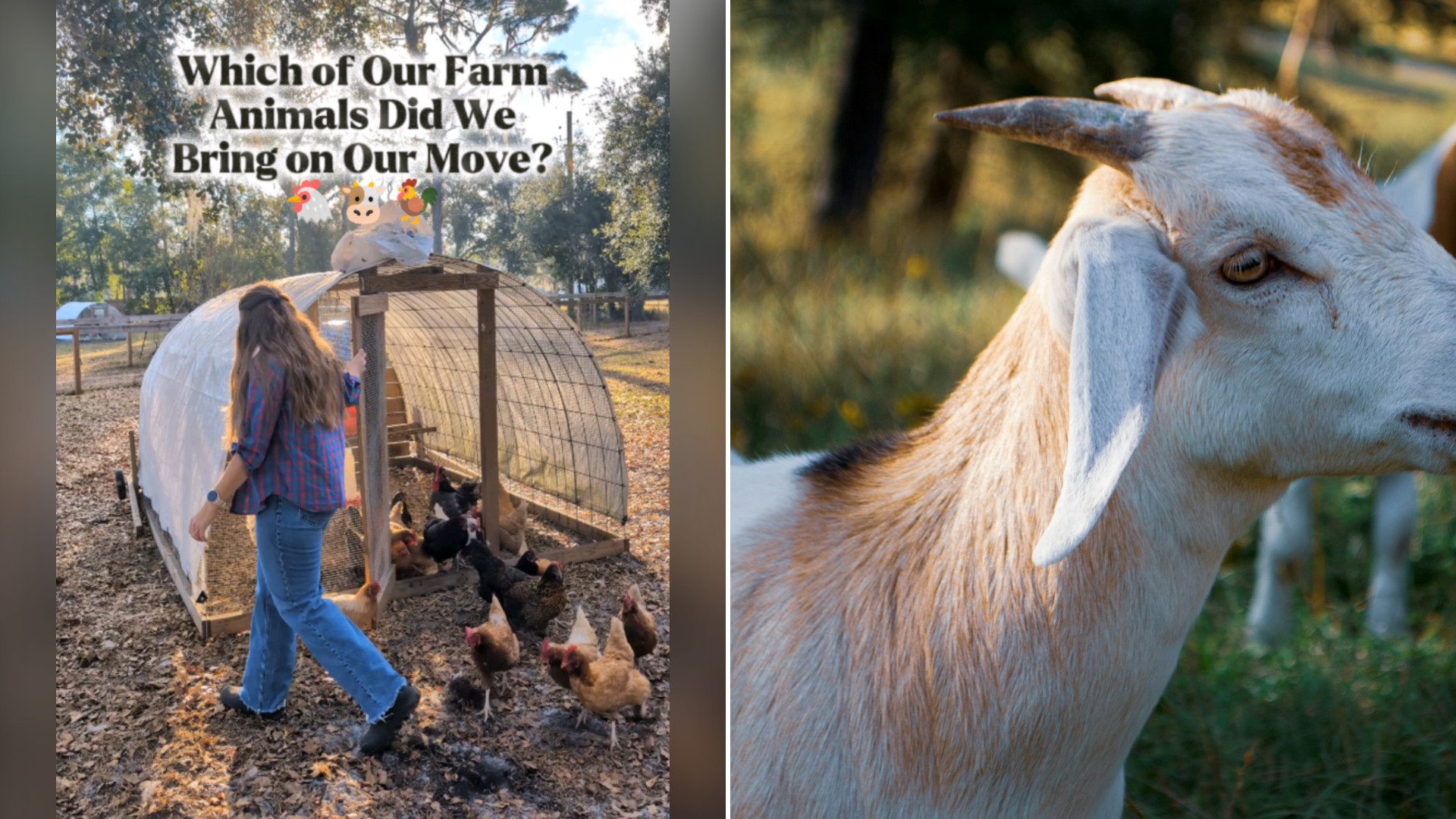
She says the homestead sold in less than two weeks. But the buyers wanted to move in in just 21 days. That meant the family had to figure out what to do with all the animals and all the farm equipment. As she put it in her caption, they had only 21 days to move from one homestead property to another, so figuring out which animals to take was a tough call.
The egg layers find a new home
Her first thought was to process the egg layers for meat. But they did not have enough freezer space or time. Instead, they sold the entire flock of egg layers, minus the roosters, along with one of their chicken tractors, to a family friend who gets to start their own chicken adventure.
She also notes that transporting that many chickens would have been super messy. It is easier to get new chicks in the spring.
Sylvie and Megatron
The milk cow, Sylvie, and her calf, Megatron, came along on the move. The original plan was to process the calf for meat before moving, but the move happened quicker than expected. So they are keeping him to help mow grass until they get more cows.
Wrapping up the rest
The family processed their meat chickens the weekend before they left. They also gave their extra chicken tractor and processing equipment to a friend who wants to raise meat chickens. She sums it up this way. It was a crazy 21 days, but they got it done.
Moving a homestead is not like moving a house
Her story highlights how different a homestead move is from a regular one. The following is general information for anyone who may face something similar.
Start with an animal inventory. List every animal, its age, its purpose and its needs. Decide early which animals will move, which will be sold or rehomed, and which jobs need to be wrapped up before the move. Making these choices with a calendar in front of you helps avoid last minute scrambling.
Consider the logistics of transport. Moving livestock requires suitable trailers, enough space, clean bedding and plans for water and rest on longer trips. Rules for moving animals across state lines vary, and some places require health papers or testing. Contacting a local veterinarian or state agriculture office early is wise.
Poultry are often easier to rehome than to move. Laying hens in particular are in demand among people starting out, since a ready flock lets a new owner skip the early months of raising chicks. Selling or giving a flock along with a coop, or a chicken tractor, to someone you trust is a kind way to pass on your experience. Buying chicks again in spring, as she plans to, can be an economical way to restart.
Share equipment where you can. Tools and gear that cannot easily move, or that will not be needed right away, might be a perfect gift or sale for a friend who is starting out.
A chicken tractor, explained
A chicken tractor is a movable coop, often a floorless frame covered with wire and roofing, that is dragged across grass so birds can graze on fresh ground. It is popular for meat chickens and layers alike, because it protects birds from many predators while giving them access to pasture. Moving it regularly spreads manure and helps keep the area clean.
Timing the sale of animals
Animals sold close to a move deadline are easier to place when you give people clear information. Share the age, breed and health history of each animal, and be honest about temperament and any quirks. Buyers usually appreciate knowing what they are getting, and a fair arrangement in writing helps everyone remember the details later. If a friend takes on a flock, a quick walkthrough of feed, water and housing can set the new owner up for a smooth start.
Keeping the family calm
Even a well run farm family can feel the pressure of a 21 day deadline. A few strategies can help. Write a master list and break it into daily tasks. Ask friends and neighbors for help early, because many people are happy to lend a trailer or a hand. Pack the most essential gear last so daily chores can continue until the final days. And give yourself permission to change plans, because the unexpected will happen.
She shows this flexibility herself. The calf was supposed to be processed before the move, but the plan changed when the move came faster than expected. Instead of forcing the original plan, the family adjusted. The calf stayed on to help mow grass, which is a very farm way to solve a scheduling problem.
Letting go and moving on
Selling a homestead often brings mixed feelings. Animals are part of the daily rhythm of life, and finding them good homes can be both a relief and an emotional moment. Passing a flock to a family friend who gets to start their own chicken adventure is a happy ending for the hens, and a nice way to keep the farm story going.
In the end, her message is short and satisfying. It was a crazy 21 days, but they got it done. For anyone planning a move with animals, that is a hopeful note: with a plan, some flexibility and good friends, a fast timeline can be handled one decision at a time.
Leave a Reply