Imagine you are one day away from closing on a house. Then you find out the property sits in a flood zone. The disclosure said it did not. That is exactly what happened to Wayne Turner, a longtime real estate investor, and it became mistake number six on a list of twelve things home buyers get wrong.
For nearly 30 years, Turner says, the work has covered just about everything in real estate: buying, flipping, selling and building, and helping thousands of people along the way. The video opens with a strong warning. Turner says never, ever buy certain kinds of properties, and promises you will regret it every time. Here is the list, with the advice behind each point.
Mistakes One Through Five
1. Buying as-is, where-is. Turner says you can still inspect the property. Ask the homeowner if it is okay to inspect for your own well-being. Even if they say as-is, tell them you still want the house but there is a roof leak. Turner promises that 95% of the time, the answer is, “oh well, I’ll fix that.”
2. Skipping a survey. Surveys are recorded at the county register of deeds office, and Turner says a copy costs about $2. Then walk the property with a metal detector, which Turner says you can buy for around $150, find the pins, and see whether anything is encroaching, such as fences, pools or sheds.
3. Ignoring the well and septic. Make sure both work. Turner says to get a septic certificate from the county, and notes you need to have the power turned on to test it.
4. No title policy. The seller may not pay for one, but you can buy your own. The goal is to make sure there are no liens, back taxes, encumbrances or mechanics liens.
5. Not reading the disclosures. Turner says disclosures have been required in writing since 1996, with some exceptions such as estate property and new construction. They show how old the roof and HVAC are and cover things like flood zone, fire, insurance claims, standing water, and lead-based paint for houses built before 1978. Rules differ from state to state, so ask your agent what applies where you live.
Mistake Six Is the Personal One
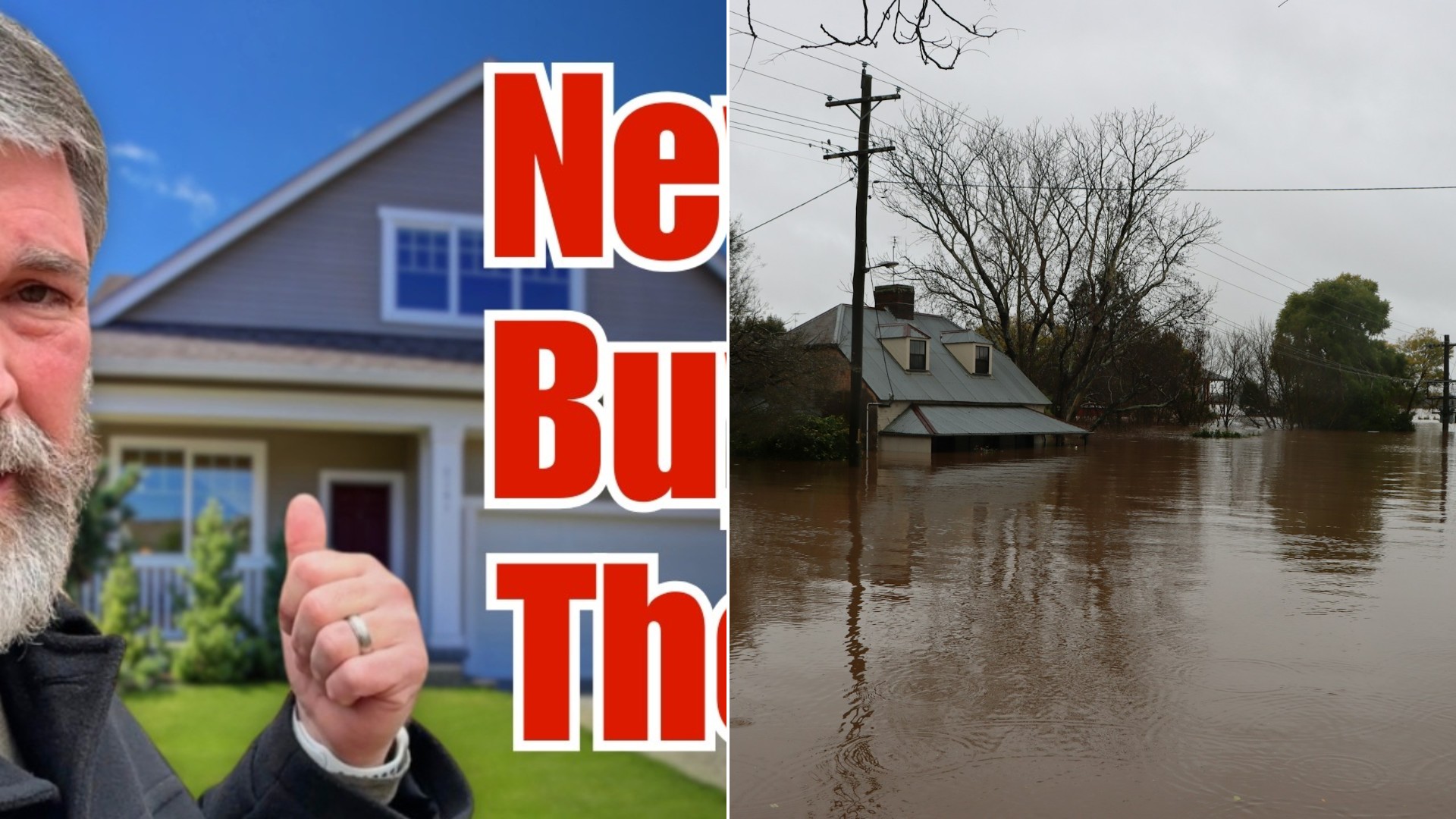
6. Trusting the homeowner about flood zones. Turner bought a house and had no idea it was in a flood zone until literally the day before closing. The disclosure said it was not in a flood zone, and Turner went off the word of the homeowner. The lesson: never go off the word of the homeowner. Use the government flood maps, which show the flood zone for any address.
That one is easy to act on. Before you fall in love with a house, type the address into the official flood map and look at the result yourself. It costs nothing and takes a few minutes.
Mistakes Seven Through Twelve
7. Not asking about insurance claims. Ask how many claims have been filed on the property. Turner gives an example: a tree falls on it, six months later it gets struck by lightning, then there is a kitchen fire. A history like that makes it really difficult to get insurance, and pricey.
8. Not planning for closing costs. Turner says closing costs always run around 3 and a half percent of your loan amount. If a seller says they will not pay the buyer’s closing costs, Turner has a way of looking at it: if someone offered you $195,000 cash, would you sell? And if someone offered $200,000 and asked for $5,000 in closing costs, you would still net $195,000.
9. Skipping a home warranty. If the house is more than five or six years old, you do not know how old the systems are. Turner says that instead of paying $6,700 to replace a condenser or compressor, you pay a $100 fee. Turner puts the warranty at only about $800 and says 95% of the time the seller will pay for it.
10. Overlooking mineral and water rights. If you agree to buy and do not read the fine print, you can lose your deposit or be sued for specific performance. Turner says the last thing you want is somebody pulling up in your driveway saying they are going to start drilling and fracking for natural gas.
11. Not getting approved first. Get approved for a mortgage, and ask the lender about the best loan program, whether FHA, VA or conventional. Turner says that if the house is in decent condition, it will pass FHA and VA inspections.
12. Not putting in writing what stays. Turner says if it is not in writing, it does not happen. That includes the washer, dryer, refrigerator, light fixtures, chandeliers and pool equipment. Turner has seen sellers take the curtains, drapes, blinds, speakers and light fixtures.
How to Use This List
You do not have to memorize all twelve. Turn them into a checklist and bring it to every showing and every call with your agent and lender. A few habits from the list are especially worth building:
- Verify, do not assume. A flood zone, a septic system or a roof is something you can check yourself.
- Get the facts in writing. If a seller promises to fix something or leave an appliance, it belongs in the contract.
- Think in net dollars. Closing costs, repairs and insurance all change what a house really costs you.
- Ask questions early. The best time to find out about a problem is before closing day, not the day before.
Turner’s story is a reminder that even a person with decades of experience can get caught off guard. If a longtime investor nearly missed a flood zone, a first-time buyer certainly can. Take the time to check every claim yourself, and let the paperwork, not the promises, protect you.
More Stories You May Like
- Handyman Shuts Down His Business After Five Years and Hundreds of Jobs and Shares What He Learned
- Georgia Passes A New Law Requiring HOAs To Register With The State Every Year And Limiting Foreclosures, And Homeowners Are Being Told To Know Their New Rights
- Inspector Checks a Brand New Home Before the Drywall Goes Up and Finds the Bathtub Filled With Dirty Water, Sawdust and Construction Trash
Leave a Reply