
Quietest Start in Six Decades, But Forecasters Say Don’t Stand Down
This year’s Atlantic hurricane season has produced the least active start in at least 60 years based on accumulated cyclone energy, according to weather.com. Only five named storms, Arthur, Bertha, Cristobal, Dolly and Edouard, had formed by early September, and none had strengthened into a hurricane.
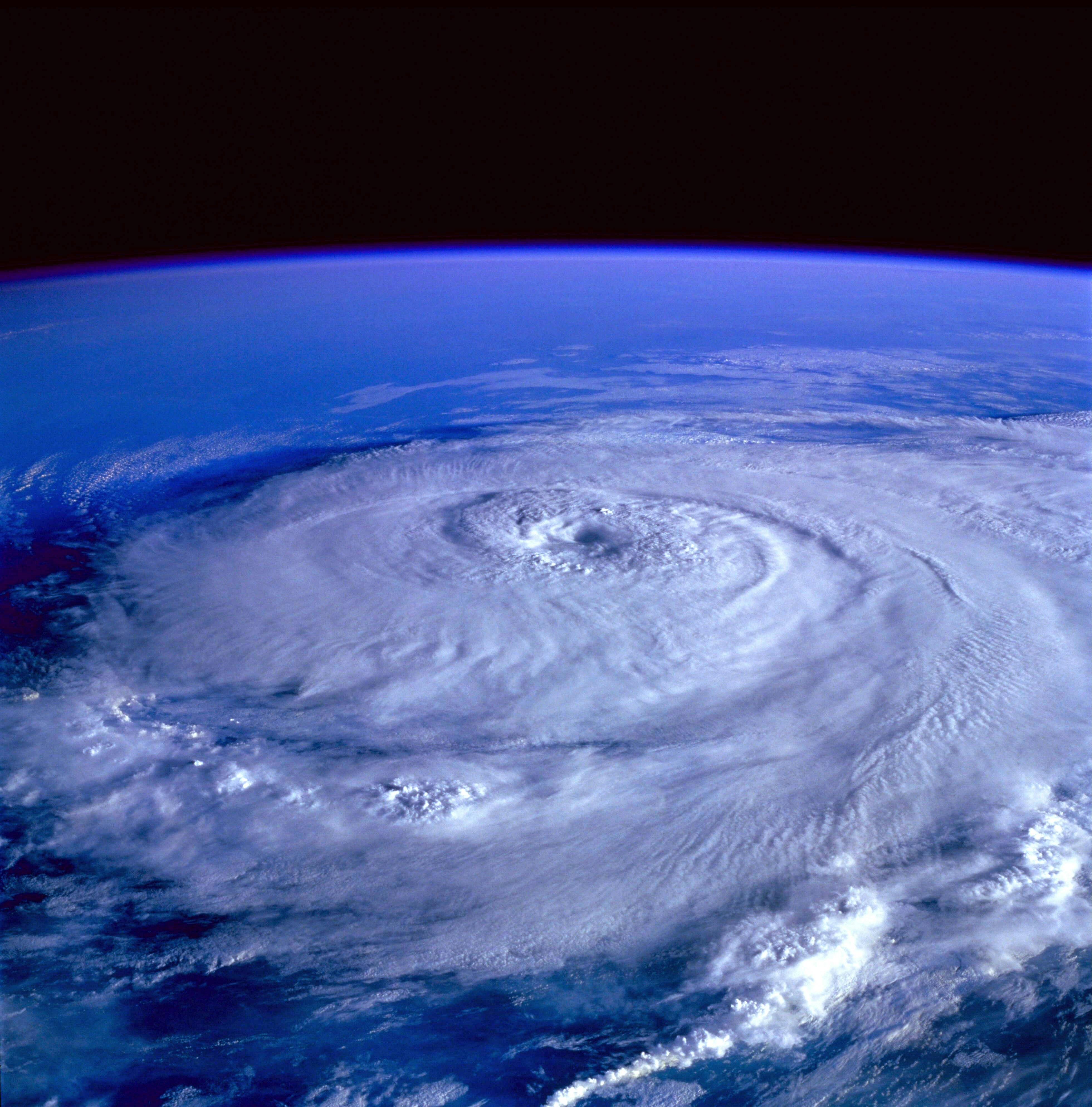
The season isn’t unusually behind on storm count, just about two weeks off the typical pace, weather.com reported. What’s historic is how weak and short-lived those storms have been. The outlet cited wind shear stretching “from the Caribbean Sea to just off the west coast of Africa” that has been “the strongest on record for that time of year since 1979,” effectively tearing apart tropical systems before they could organize.
The culprit, per NOAA’s own August update, is a strengthening El Niño pattern. “When El Niño emerges, it usually becomes the dominant factor in total hurricane season activity, and this El Niño continues to strengthen monthly,” said Matt Rosencrans, NOAA’s lead hurricane forecaster, in the agency’s news release.
NOAA has maintained its call for a below-normal season through November 30, now projecting 7 to 13 total named storms, 2 to 6 hurricanes, and 0 to 2 major hurricanes for the year, including the storms that have already formed. The agency puts the odds at 75% for a below-normal season, 20% for near-normal, and just 5% for above-normal activity, according to its release covered by Insurance Journal.
Despite the quiet stretch, NOAA and independent meteorologists are warning coastal homeowners against reading the calm as safety. Weather.com quoted forecasters cautioning that “a quieter hurricane season doesn’t necessarily mean your area won’t experience a storm this year. It only takes one destructive landfall, or even a slow-moving, flood-producing weaker tropical storm, to make a season memorable.”
Ken Graham, director of NOAA’s National Weather Service, pointed to inland flooding as the bigger, and often underestimated, threat to homes even when a storm never reaches hurricane strength. “Inland rainfall is a major cause of damage from tropical storms and hurricanes, as Arthur demonstrated,” Graham said in NOAA’s release. “That’s why it’s important to prepare for every storm.”
Peak hurricane season traditionally runs through mid-September into October, meaning the historically quietest stretch on record could still produce the year’s most damaging storm in the weeks ahead. For homeowners along the Gulf and Atlantic coasts, that means the usual late-season checklist still applies: confirming flood insurance coverage, since standard homeowners policies typically exclude flood damage, clearing gutters and drains ahead of heavy rain, and having an evacuation plan ready regardless of how the season has looked so far.
NOAA’s forecasters have been consistent on one point all year: a slow start says little about how the season ends, and the same atmospheric conditions that have suppressed storms so far could shift quickly as sea surface temperatures and wind patterns evolve into fall.
Leave a Reply