
Seventeen percent of DIYers who installed their own under-cabinet lighting said the project didn’t work out in their favor, the highest negative-outcome rate of any home project tracked in a Sears Home Services survey of 1,007 homeowners. Tile installation came in second at 15 percent. Behind those two, eight more projects tied at exactly 14 percent each, a flat plateau of regret that includes everything from painting walls to waterproofing a deck. Almost 40 percent of homeowners with DIY experience reported getting hurt on a project, and 27 percent said they’d done major damage to their own home trying to save money. Here’s the full breakdown, and why each one keeps tripping people up.
1. Under-Cabinet Lighting, 17 Percent Negative Outcome
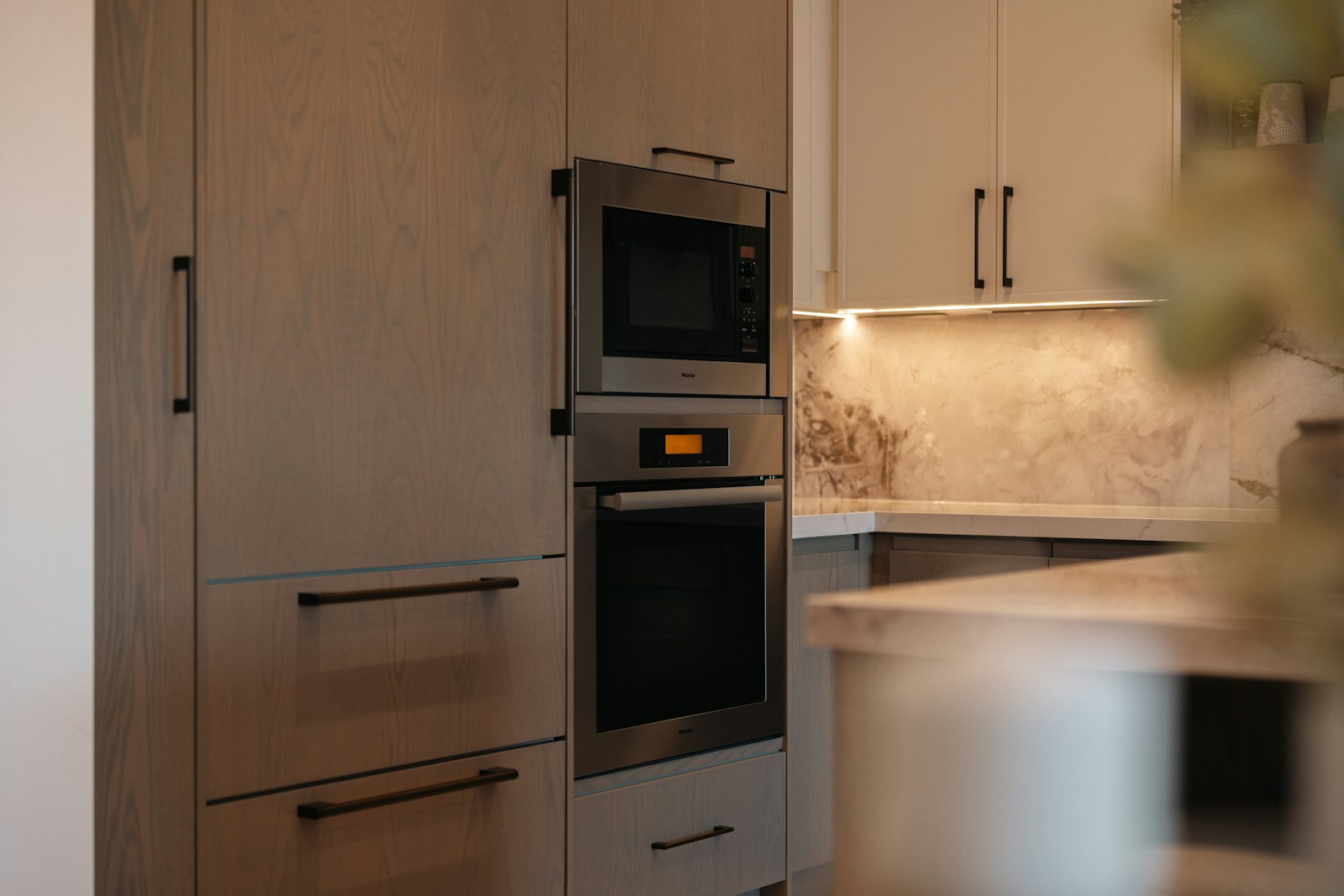
It looks like a weekend job: a strip of LEDs and some wire. What actually goes wrong is wiring into an existing circuit without knowing its load, fishing cable through cabinet backs that weren’t designed for it, and ending up with a light that flickers or a breaker that trips. It’s an electrical job wearing a decorating costume.
2. Tile Installation, 15 Percent Negative Outcome
Tile punishes bad prep more than almost any other material. An uneven substrate, wrong-size trowel notches, or skipped waterproofing membrane in a wet area shows up months later as cracked grout or lifting tiles, not immediately, which is exactly why people attempt it themselves before finding out.
3 Through 10 (Tied at 14 Percent): Siding, Interior Doors, Hanging a TV, Flooring, Deck Waterproofing, Mirror Installation, Painting Walls, and Drywall
What ties these eight together isn’t skill level, it’s that they all look simpler than they are. Hanging a television wrong means a $1,000 TV on a bracket rated for less weight than it’s carrying. Deck waterproofing done without stripping old sealant first just traps moisture underneath. Drywall seams that aren’t taped and mudded in multiple thin coats telegraph every seam once paint goes on. Painting walls, arguably the most “beginner” task on this list, still ties for a 14 percent regret rate because prep work, not paint, is what separates a clean job from a visible one.
Why Tile and Lighting Top the List Instead of Harder-Sounding Jobs
It’s worth noticing what isn’t at the top of this list. Gas lines, roof repair, and window installation all sound more dangerous, and they are, but they don’t top the regret ranking because far fewer people attempt them in the first place. Under-cabinet lighting and tile sit in a sweet spot: common enough that a large share of respondents actually tried them, and technical enough that a meaningful share of those attempts went sideways. A project nobody does can’t generate a high regret rate no matter how difficult it would be if someone tried it.
The Confidence Gap Behind the Regret
The same survey found homeowners are far more upfront about projects they won’t touch at all: 55 percent have no confidence running a gas line, 47 percent won’t attempt roof repair, and 44 percent won’t touch window installation. Those numbers are lower on the regret list not because people do them better, but because people mostly don’t do them at all. The regretted projects are the ones that sit in a dangerous middle ground: familiar enough to feel approachable, technical enough to go wrong in ways that aren’t obvious until later.
The Time and Effort Nobody Budgets For
Underestimation shows up as its own category in the data: 57 percent of homeowners said they underestimated the time a DIY project would take, and 50 percent underestimated the effort involved. That gap between expectation and reality is where a lot of these ten projects go wrong in practice. A tile job budgeted for a weekend that stretches into two weeks doesn’t just cost extra time, it often means rushing the finishing steps, sealing grout too early or skipping a second coat, to hit a deadline that was unrealistic from the start.
What It Costs to Fix
Roughly 46 percent of DIY homeowners ended up calling in a professional to redo their own work, at an average cost of $1,600, according to the same data. That’s the real price tag behind this list: not the material cost of the original attempt, but the second bill that shows up when a “simple” project needs a professional to unwind it.
The pattern across all ten isn’t about difficulty, it’s about feedback. Projects with fast, visible failure (a light switch that doesn’t work, a door that won’t close) get caught and fixed on the spot. Projects with delayed failure, cracked tile, a leaking deck, a TV bracket slowly working loose, are the ones that turn a Saturday project into a $1,600 lesson.
Leave a Reply