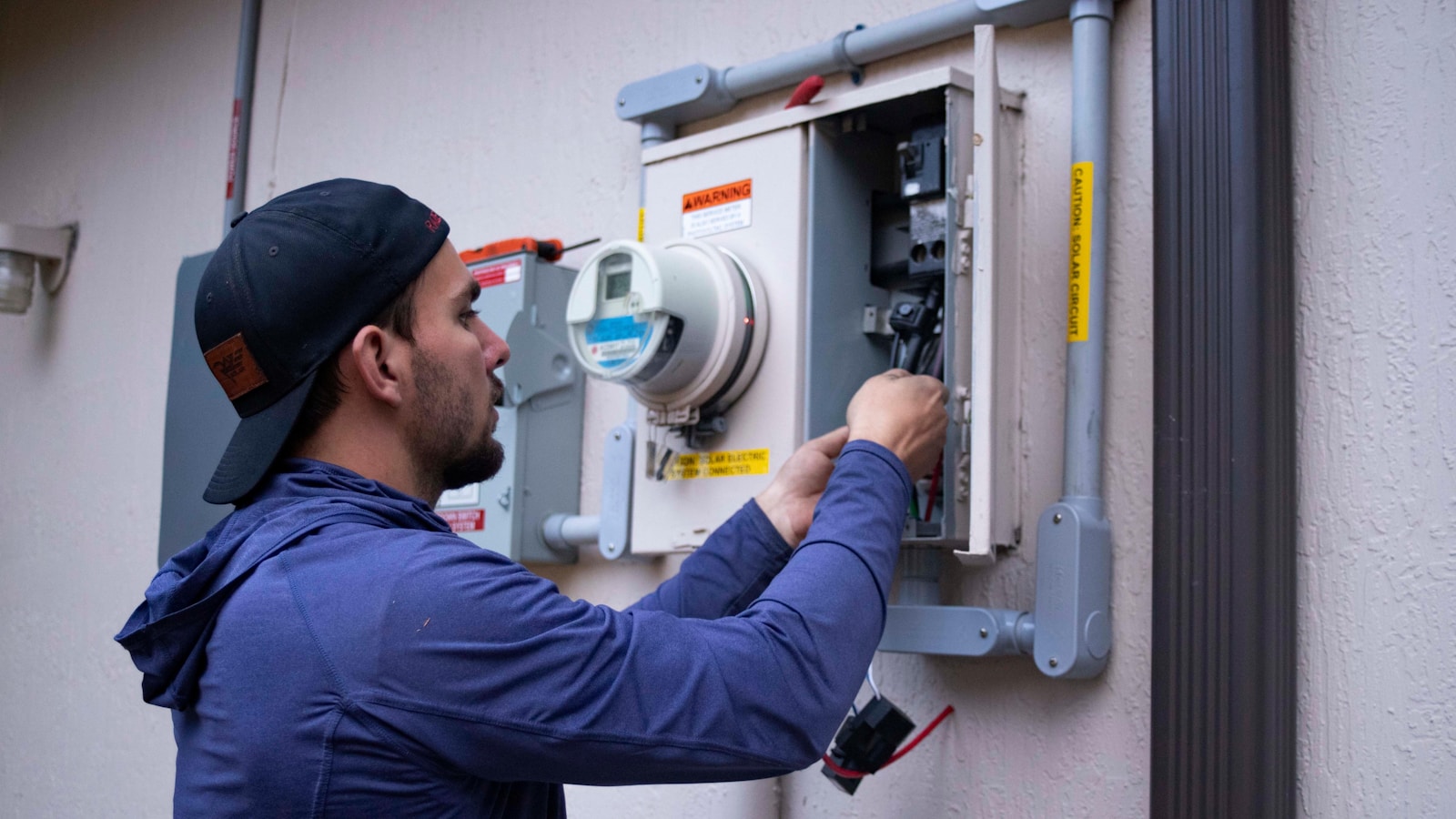
Seventy-one percent of homeowners failed to prioritize HVAC servicing over the past year, according to Hippo Insurance’s 2026 Housepower Report, making it one of the two most commonly neglected maintenance tasks the survey tracked (the other being water-prone seal inspections). ENERGY STAR, the joint EPA-Department of Energy program, is blunt about what that neglect does: it names deferred maintenance a top cause of heating and cooling system failure and inefficiency. Heating and cooling already account for nearly half of a typical home’s roughly $1,900 annual energy bill, per the same source, so a system running inefficiently isn’t a minor inconvenience, it’s a recurring monthly cost that compounds for as long as it goes unaddressed.
What “Servicing” Actually Prevents
A professional HVAC tune-up runs $70 to $200 on average, or $150 to $300 for a full annual service covering both heating and cooling sides, according to HomeGuide’s cost data. That visit checks refrigerant levels, cleans coils, tests electrical connections, and catches worn components before they fail outright. Skip it, and the same small problems, a slightly low refrigerant charge, a coil coated in dust, a capacitor starting to wear, don’t go away. They compound, forcing the system to run longer and harder to hit the same temperature.
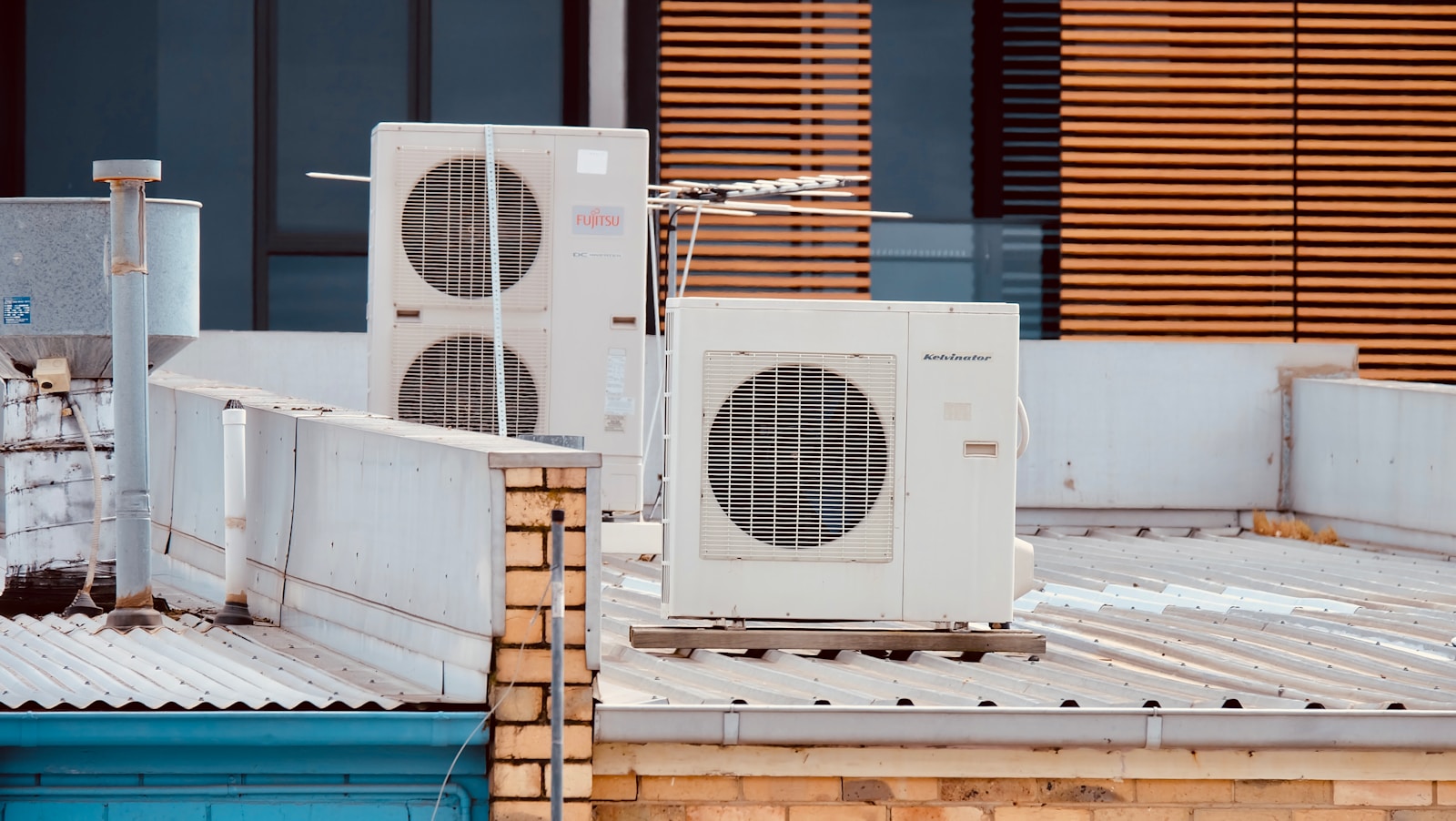
The Filter Problem Hiding in Plain Sight
ENERGY STAR recommends checking air filters monthly, and for good reason: a dirty filter forces the system to work harder to move the same amount of air, which raises energy costs and accelerates wear on the equipment. It’s the cheapest maintenance task in the entire HVAC system, a filter costs a few dollars, and it’s also one of the easiest to forget for months at a time since nothing visibly breaks when it’s dirty.
Ductwork Losses Nobody Sees
Even a perfectly serviced unit loses ground to a leaky duct system. ENERGY STAR estimates that in a typical house, 20 to 30 percent of the air moving through ductwork is lost to leaks, holes, and poor connections, air you paid to heat or cool that never reaches a single room. Sealing and insulating ducts isn’t part of a standard filter change, which is exactly why it’s often missed until a technician flags it during a full service visit.
Why This Task Slips Through the Cracks
Part of the reason HVAC servicing lands on the most-skipped list alongside seal inspection is that both share the same quiet-failure profile. A furnace or air conditioner doesn’t stop working the week you skip its tune-up, it keeps running, just less efficiently, for months or years before something finally fails outright, usually a capacitor, a compressor, or a coil that’s been under strain the whole time. There’s no dashboard warning light on a home HVAC system the way there is in a car, so the only real prompt to schedule service is a habit the homeowner has to build and keep on their own.
The Lifespan Math
A well-maintained HVAC system lasts 15 to 25 years, per HomeGuide’s estimate, while a full system replacement costs $5,000 to $11,000. Run the numbers on deferred maintenance against that backdrop: skipping $150 to $300 a year in servicing to avoid a cost that’s roughly 0.03 of a full replacement isn’t a savings, it’s a bet that nothing will go wrong for over a decade, worked against a system that ENERGY STAR already says fails early without upkeep.
What a Service Visit Actually Catches
A technician doing a proper tune-up isn’t just glancing at the unit. They’re measuring refrigerant charge against manufacturer specifications, since a system running low on refrigerant has to work harder and cool less effectively, straining the compressor in the process. They’re checking electrical connections for corrosion or looseness, which left alone can eventually short out a control board. And they’re inspecting the condensate drain, a clogged one can back up and cause water damage to surrounding areas, especially with systems installed in an attic or a closet above living space. None of these are things a homeowner is likely to catch on their own, which is exactly the gap the 71 percent figure represents.
The 71 percent figure and the seal-inspection figure both point at the same blind spot: homeowners defer maintenance on systems that keep working right up until the moment they don’t. An HVAC unit doesn’t announce a skipped tune-up with a warning light, it just runs a little less efficiently every month until a bigger failure forces the issue, usually in the middle of the season you need it most.
Leave a Reply