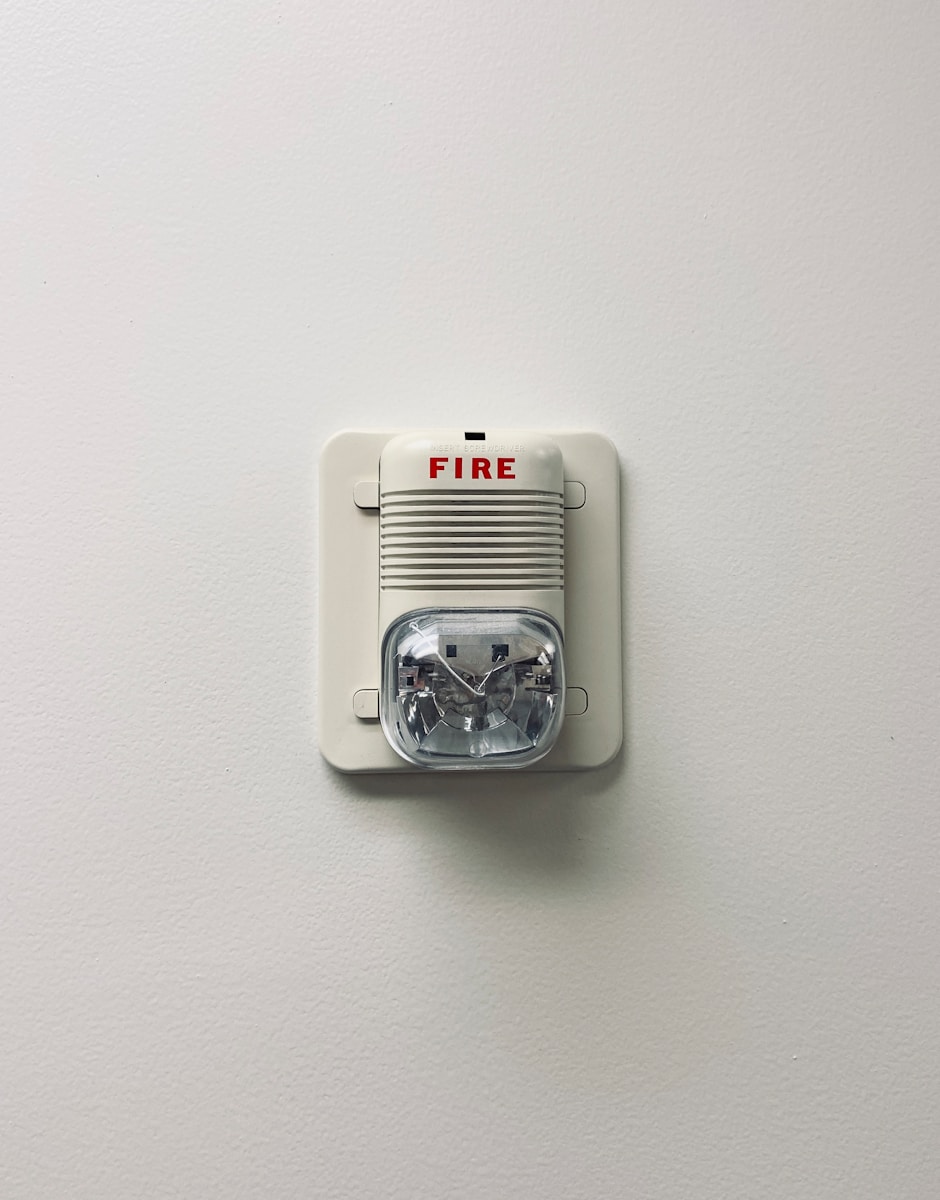
The U.S. Consumer Product Safety Commission issued two separate warnings on Aug. 20, 2026, telling homeowners to immediately stop using combination detectors that can fail to alarm during a gas leak or fire. One warning covers roughly 376,974 “4-in-1” plug-in natural gas and carbon monoxide detectors sold under at least 17 brand names. The other covers TJTFJS-branded smoke and CO detectors linked to a risk of serious injury or death from smoke and fire.
Key Points
- The CPSC published both warnings on the same day, and both describe detectors that can silently fail during an actual emergency.
- The 4-in-1 plug-in detector, model KH158, has racked up 91 reports of failing to alarm when gas or carbon monoxide was present.
- The TJTFJS detector, model TJ00907, is called out specifically for failing to alert people to smoke and fire.
- Neither notice is a formal recall with a refund or replacement program yet. Both are stop-use warnings, meaning the safe move is to replace the unit yourself.
- Both products are generic electronics manufactured overseas and rebranded dozens of times for online marketplaces, which is exactly why a household could own one without ever recognizing a “recalled” name.
What’s Affected
- Model KH158, sold as ARIKON, ELECOIN, FLUNGSKY, HAOKESITE, Hembisen, JNHCD, KAKIMENT, KH Alert, KOABBIT, NICGOL, NORJAN, OUMEBIU, Sooguard, Vilfet, Vzmcov, WESHLGD, XLA Alert and YOJOCK. Sold on Amazon, eBay, AliExpress, Micro Center’s website and Snapklik from June 2024 through July 2026, priced roughly $13 to $140, according to the CPSC notice.
- Model TJ00907, sold under the TJTFJS name on Amazon, Walmart.com, Kmart.com, Sears.com and Desertcart.com, per the CPSC warning.
- Both models are digital-display combination detectors with a self-test button, not standalone battery alarms, which makes it easier to mistake a defective unit for a normal-looking smart device.
What Homeowners Should Do
Check the model number physically stamped on the detector itself, not just the box or the marketing name on the packaging. Rebranding means the packaging brand tells you almost nothing; only the printed model number, KH158 or TJ00907, confirms whether your unit is affected.
Stop using either detector immediately. Because these are warnings and not recalls with an established remedy program, there is no refund or replacement being offered right now. The CPSC’s own guidance is to dispose of the unit and install a new one rather than wait for a manufacturer response.
Replace it with a detector listed to UL 2034 (carbon monoxide) or UL 217 (smoke), placed on every level of the home and outside each sleeping area. Choose battery-operated models or ones with battery backup, so a power outage doesn’t leave the home unprotected, and test units monthly. Anyone who experienced a failure, injury, or property loss involving either model can file a report at SaferProducts.gov.
The overlap between these two warnings underscores a broader problem with dollar-store and marketplace safety electronics: identical hardware sold under dozens of brand names makes it far harder for any single recall notice to reach every household that owns one.
Leave a Reply