Households can currently apply for as much as $8,000 toward a whole-home energy retrofit and up to $14,000 toward efficient electric equipment, now that the Department of Energy has released the bulk of an $8.8 billion Home Energy Rebates fund — money that spent much of 2025 frozen by a fight over its own disbursement. The program never disappeared. A coalition of states sued after a 2025 executive order paused the funding, won an injunction, and DOE issued updated guidance on May 29, 2026, restarting the rollout under revised terms. Not every state is participating, though. South Dakota never applied for its share of the money, and Idaho’s legislature voted to walk away from the funding entirely, so residents of those two states have no program to apply to regardless of what neighboring states offer. Everywhere else, what’s available, and how you actually collect it, depends on how far your state energy office has gotten in standing up its program.
Two Programs, Two Different Kinds of Projects
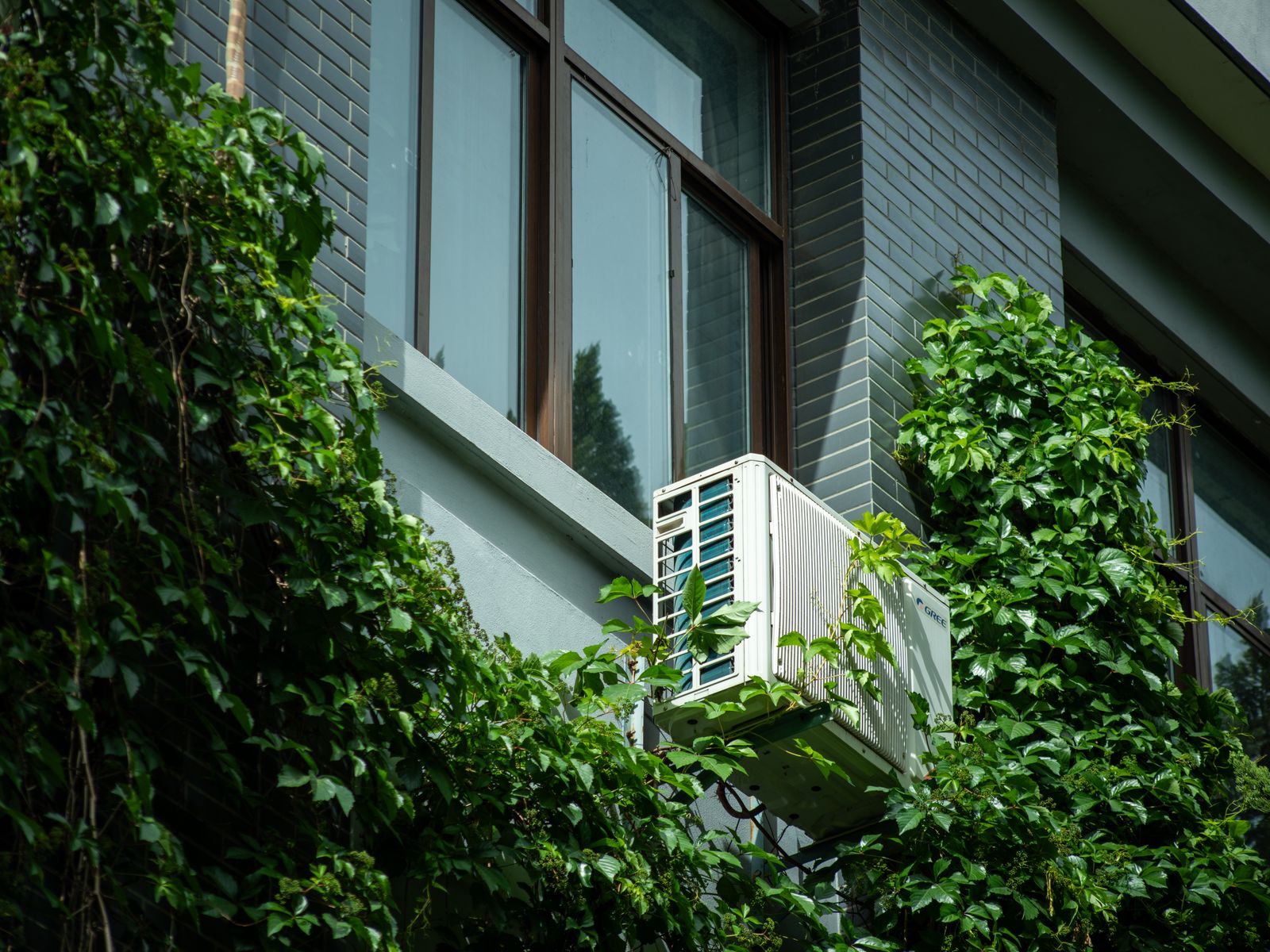
The $8.8 billion splits into two tracks with separate names, separate math, and separate paperwork. The Home Efficiency Rebates program, known as HOMES, carries $4.3 billion and pays up to $8,000 per household for whole-home retrofits: insulation, air sealing, duct sealing, and similar work aimed at cutting overall energy use. The Home Electrification and Appliance Rebates program, HEEHR, carries the remaining $4.5 billion and funds up to $14,000 per household for specific electric equipment, including heat pumps for space heating and cooling, heat pump water heaters, induction or electric ranges, and the electrical panel upgrades often needed to support them, each with its own per-item cap that counts toward the $14,000 ceiling.
What “Verified” Actually Means
HOMES comes with a catch that surprises a lot of homeowners: the rebate is tied to a documented, at least 20 percent reduction in a home’s energy use, not simply to buying qualifying materials. In practice, that means a contractor or energy auditor runs an energy model or takes before-and-after measurements, the kind of assessment used in a standard home energy audit, to confirm the retrofit actually hit that threshold before any money changes hands. Homes that achieve deeper savings can qualify for larger payments, and DOE’s own program materials note that within that structure, lower-income households are eligible for the largest rebates regardless of how much energy they save.
Income Still Sets the Rebate Amount, But the Guidance Just Shifted
HEEHR was built around income brackets from the start, and that structure survives the May 2026 update. Households earning under 80 percent of their area’s median income can have up to 100 percent of an eligible project’s cost covered, up to the item caps; households between 80 and 150 percent of area median income can get up to half the cost covered; households above that line generally don’t qualify for HEEHR at all. What did change in the May notice is the equity scaffolding around those brackets. DOE dropped the prior Justice40 mandate and a requirement that states direct 40 percent of program funds specifically to low-income households, and it eliminated rebates for converting a home from fossil-fuel heating to electric heat. Heat pump rebates going forward are generally limited to new construction or homes that already run on electric heat, according to reporting on the guidance change. States already issuing rebates under the old rules have three months to bring their programs into compliance.
Not a Tax Credit, and That Distinction Matters More Now
Neither rebate gets claimed on a tax return. HEEHR is built as a point-of-sale discount applied at checkout through a participating contractor or retailer, and HOMES rebates typically run through an application to your state energy office after the retrofit’s energy savings are verified. That is a meaningfully different process than the federal 25C and 25D home-improvement tax credits, which expired for good after December 31, 2025 and don’t apply to any project completed in 2026. Anyone who was planning to offset an efficiency project at tax time next spring no longer has that option; the rebate programs are the incentive still standing, and they run through a state office or a contractor’s point-of-sale system rather than the IRS.
Where the Rollout Actually Stands
As of the most recent state-by-state accounting, roughly a dozen states plus Washington, D.C. had programs live and paying out rebates, while most other states were still finalizing plans DOE had approved before the 2025 pause. Georgia’s program, among the earliest to launch, had paid out more than $50 million to over 3,500 households as of mid-August 2026, averaging roughly $12,000 per household. Other states remain months behind that pace, and a handful, beyond South Dakota and Idaho, have made no public commitment to a launch date at all.
Given how much this varies by state, don’t assume the $8,000 or $14,000 figure applies where you live. Check DOE’s Home Energy Rebates program page for your state’s current status, then contact your state energy office directly, since income limits, contractor certification requirements, and application procedures are all set state by state and can differ significantly from the federal framework described here.
Leave a Reply