
The median new single-family home completed in 2025 measured 2,142 square feet, according to the Census Bureau’s newest Characteristics of New Housing report. That’s essentially flat against 2024’s 2,150 square feet, and it sits well below the 2,473-square-foot median recorded back in 2015. The decline wasn’t a straight line. Floor plans actually grew for two years running, moving from 2,258 square feet in 2020 to roughly 2,303 in 2022, as pandemic-era buyers with rock-bottom mortgage rates chased home offices and extra bedrooms, per the same Census construction-completions series tracked through the Federal Reserve Bank of St. Louis. Since 2022, square footage has fallen again and now appears to be leveling off near the smallest annual median in at least a decade. The same 2025 Census report puts the median sales price of a new house at $417,400 and the average at $523,800, which means smaller homes have not translated into meaningfully cheaper ones.
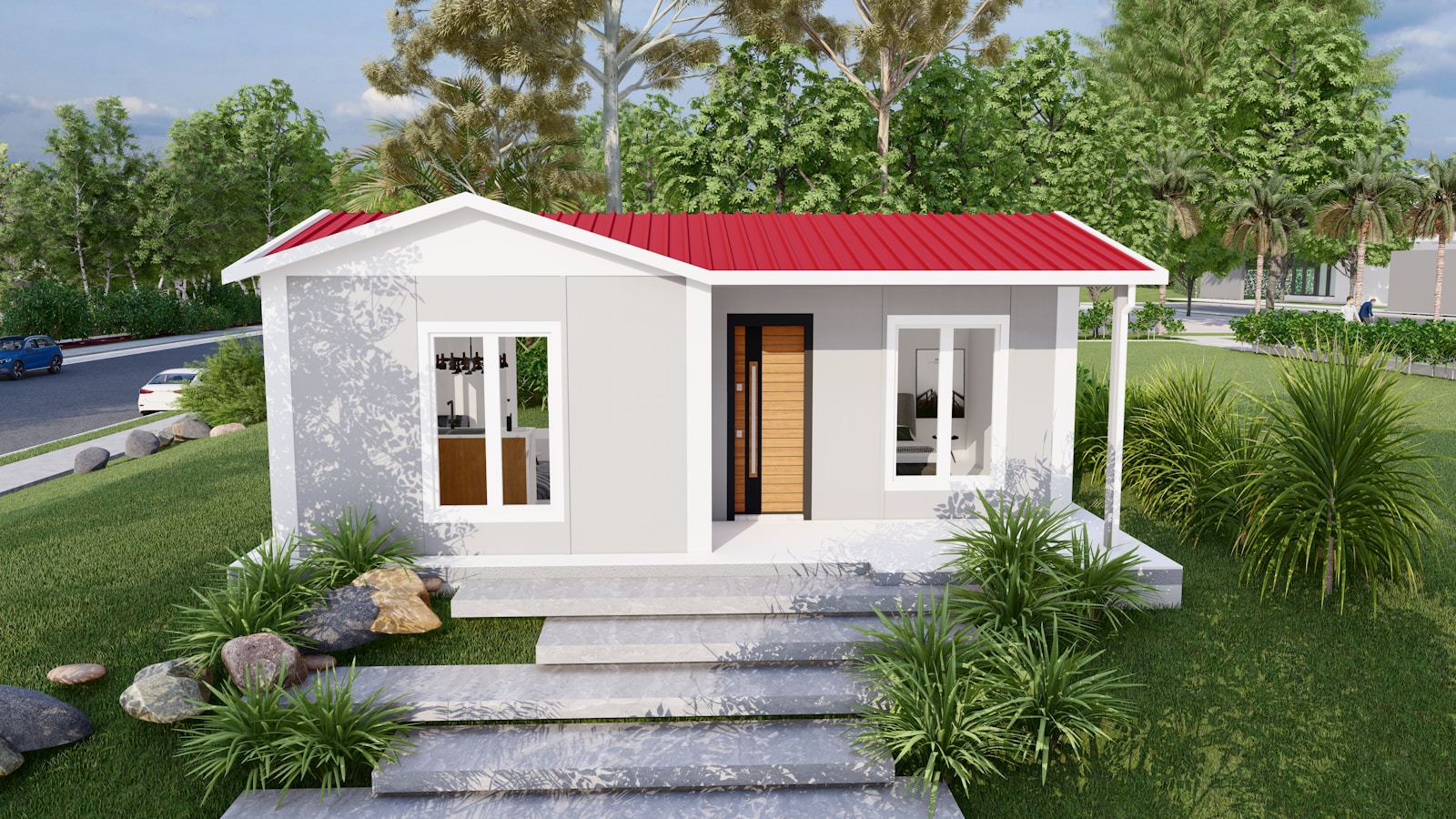
A Decade of Shrinking Floor Plans
Line up the annual medians and the pattern is clear: 2,473 square feet in 2015, down to 2,305 by 2019, then 2,258 in the first pandemic year of 2020. The 2021-2022 uptick to the low 2,300s looked at the time like a reversal, driven by historically cheap borrowing and a burst of remote-work-fueled demand for more room. It didn’t hold. By 2023 the median had slipped to 2,238 square feet, then to 2,150 in 2024 and 2,142 in 2025, according to the Census figures. That two-year drop of roughly 100 square feet is the sharpest sustained pullback in the data since 2015, and the fact that 2024 and 2025 landed within 8 square feet of each other suggests builders have found something closer to a floor than a temporary dip.
Sales-price data from the same Characteristics of New Housing program adds context that pure square-footage numbers miss. The median new house sold in 2025 ran 2,194 square feet, slightly larger than the median completed, and Census’s own regional breakdown of price per square foot shows why builders keep trimming plans: the national median in 2023 was $154.70 per square foot, but that ranged from $146.64 in the South up to $220.95 in the Northeast, based on a Census Bureau housing story. Where land and construction cost more per square foot, shaving square footage is one of the few levers builders have to keep a house within reach of what buyers can actually finance.
What’s Pushing Builders Toward Smaller Footprints
Regulatory costs are one of the more precisely documented pressures on that math. A June 2026 study from the National Association of Home Builders found that government regulation now accounts for 26.4% of the average new-home sales price of $499,500, adding $131,734 to the cost of a typical house. That figure is up more than 40% from $93,870 in 2021, while disposable income over the same five years rose just 18.3%. Roughly $84,939 of that regulatory load hits during actual construction, largely from higher permit fees and code changes, and the remaining $46,795 comes from land development and site preparation before a foundation is poured.
Layer elevated mortgage rates on top of rising per-square-foot costs and the incentive to shrink a floor plan becomes straightforward arithmetic. A buyer’s monthly payment budget hasn’t expanded to match construction costs, so builders can either raise prices past what qualified buyers can borrow or hold the line on price by building less house. Industry tracking from NAHB’s own research arm, Eye on Housing, describes the current quarter-to-quarter pattern as essentially flat, with builders holding sizes steady rather than cutting further, which lines up with the plateau visible in the Census annual figures. None of this is stated by Census as a direct cause of the size trend, but the cost data and the square-footage data are moving in a pattern that is hard to read as coincidence.
The Renovation Angle
For anyone planning a home addition rather than a home purchase, the practical read is that new construction is no longer where extra square footage comes from cheaply, if it ever was. With median new-build sizes flat at a decade low and per-square-foot costs still climbing fastest in expensive regions, homeowners in older, larger housing stock have a cost advantage that a new-build buyer doesn’t: existing framing, existing foundation, and existing lot. That’s the calculation behind the steady interest in finishing basements, converting attics, and adding accessory dwelling units rather than trading up to a larger new house. A renovation that adds 400 square feet to a house already on a paid-for lot sidesteps the land-development costs the NAHB data shows have grown even as regulatory costs shifted more heavily toward the construction phase itself.
The two data sets, home size and home cost, are no longer telling separate stories. Builders are handing buyers less square footage for more money, and that math is exactly what makes expanding an existing home look less like a luxury and more like an alternative.
Leave a Reply