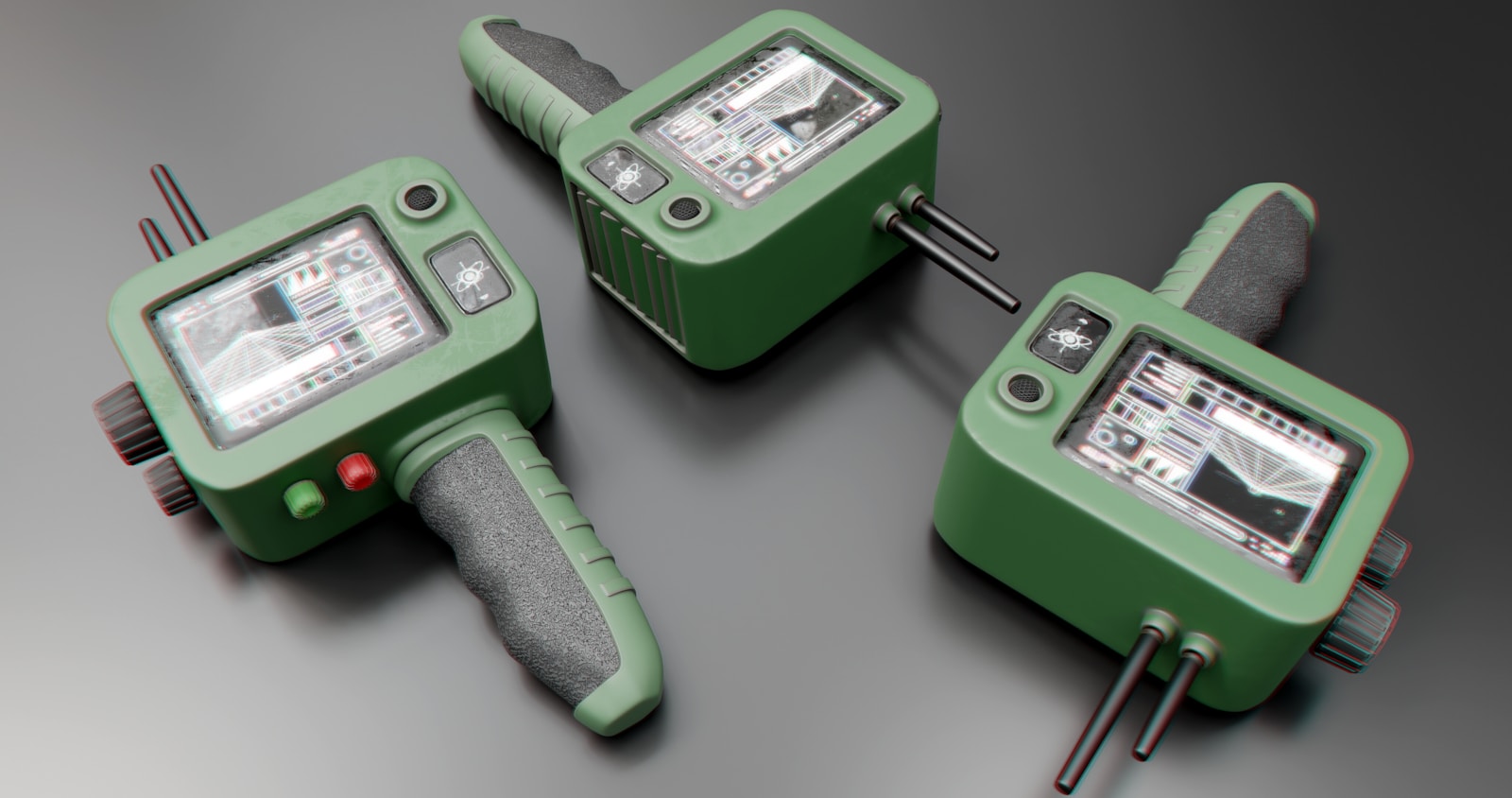

Two stud finders scanning the same wall can disagree by more than an inch, and the reason usually comes down to which of two entirely different technologies is inside the housing. Electronic capacitance models like Zircon’s StudSensor e50 read changes in wall density and claim accuracy within 1/8 inch at a 3/4-inch scan depth, widening to about 3/16 inch at their maximum 1.5-inch depth, according to the manufacturer’s own spec sheet. Magnetic finders like C.H. Hanson’s unit don’t sense the stud at all; they detect the nails or screws holding drywall to it, using rare-earth magnets and no batteries, per C.H. Hanson’s product page. Franklin Sensors’ 13-sensor ProSensor M210 splits the difference, using an array of sensors to show a stud’s full width at once rather than a single point, at a rated 1.7-inch detection depth. None of that matters much if you skip the actual safety step before you drill, because every one of these tools is estimating, not measuring, and the wall behind your drywall doesn’t care which technology you trusted.
Electronic (Capacitance) Finders: Fast, But They Drift
Zircon’s StudSensor e50, priced at $27.99, uses two scan modes: a shallow 3/4-inch “StudScan” mode accurate to about 1/8 inch, and a deeper 1.5-inch “DeepScan” mode accurate to roughly 3/16 inch, plus wire detection that flags live 90-to-250-volt wiring within about 6 inches of the sensor, all per Zircon’s published specifications. The tradeoff with any capacitance sensor is that it needs to be calibrated against unbroken wall on every pass, and thick texture, extra paint layers, or humidity can throw off a reading, which is the drift most users end up blaming on a “broken” stud finder.

Multi-Sensor Array Finders: Width Over Guesswork
Franklin Sensors’ ProSensor M210, at $59.99, packs 13 individual sensors across its face and lights up LEDs across a stud’s actual width in one pass, rather than requiring the back-and-forth calibration sweep single-sensor electronic models need, according to Franklin Sensors’ own product specs. At a 1.7-inch rated detection depth, it reads through thicker drywall, plaster, or paneling than the shallow mode on cheaper electronic units, which is exactly where multi-layer walls trip up single-sensor designs. The extra sensors also mean less guesswork about which edge of the highlighted zone is the actual stud center, a detail that matters when you’re hanging something heavy and only get one shot at the anchor point.
Magnetic Finders: Dumb, Reliable, and Sometimes Wrong
A magnetic stud finder like C.H. Hanson’s, priced between $10.59 and $19.98, skips electronics entirely: rare-earth magnets pull toward the metal fasteners holding wallboard to the framing, and you feel the tug rather than watching an LED light up, per the manufacturer’s own description. It never drifts and needs no calibration or batteries, but it only works where a fastener happens to be, and the company’s own materials warn that very thick or multi-layered walls can reduce sensitivity enough to miss one entirely. There’s also no reading between fasteners, so a 16-inch stud spacing with a fastener missing near the edge can leave you guessing at exactly the spot where accuracy matters most.
Verify Before You Drill: the Code Exists for a Reason
The National Electrical Code has required a 1 1/4-inch setback between a bored hole’s edge and the nearest face of a stud since 1990, specifically so a nail or screw driven later doesn’t reach wiring running through it, according to IAEI Magazine’s explanation of NEC 300.4. The same article cites NFPA data estimating roughly 2,608 fires a year start in walls and concealed spaces where wiring gets damaged this way. Whatever stud finder is in your hand, a wire-detection reading plus a manual check with a flashlight through a nearby outlet cutout is the cheap insurance neither an electronic nor a magnetic finder can fully replace on its own.
The technology inside a $10 magnetic finder and a $60 sensor array is solving two different problems: one finds fasteners, the other finds density, and that mismatch is exactly why swapping one for the other on the same wall can feel like getting a second opinion that contradicts the first. Buy for the wall you actually have, thick plaster and multiple layers favor the sensor array, bare drywall favors either, and treat the reading as a starting point rather than a guarantee either way.
Leave a Reply