There is a certain satisfaction in a fall cleanup. The rake, the crisp air, a pile of leaves as tall as the grandkids. But a few well-meant shortcuts at this time of year can turn a pleasant weekend chore into a fine from the town, a flooded street, or a repair bill next spring. Here are the fall yard mistakes worth dodging before you fill another yard bag.
One note up front: the rules about leaves, blowers and burning differ a great deal from one town to the next. What is fine on your street may be against the rules a few miles away, so always check locally.
Mistake One: Pushing Leaves Into The Storm Drain
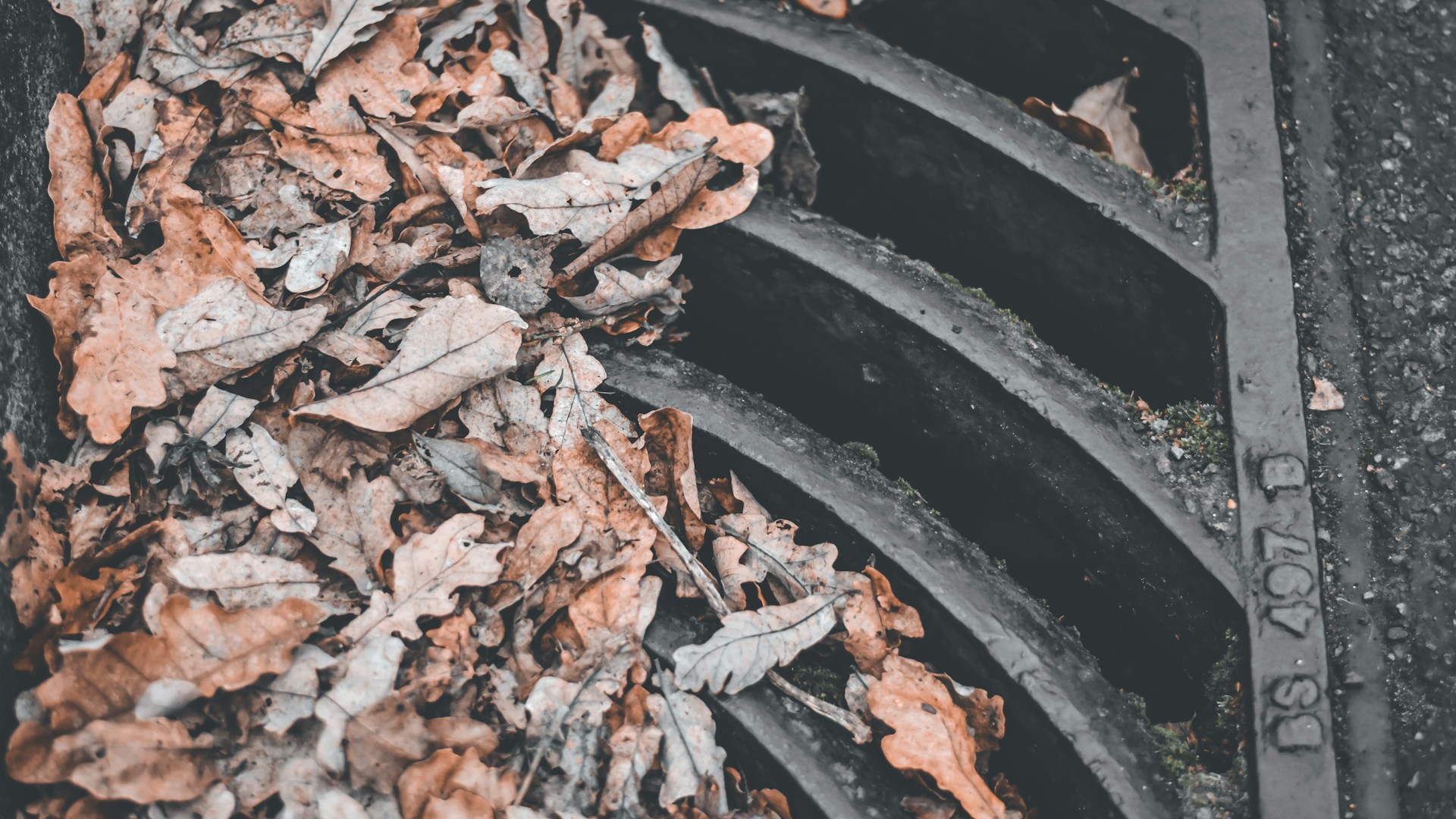
It looks harmless. You rake the leaves to the curb, and the easiest place for the pile to go seems to be the street or the grate at the corner. But storm drains exist to carry rain away, and a mat of wet leaves can clog them fast. A plugged drain can mean standing water in the road, and in a heavy rain it can send water toward yards and driveways, maybe including yours.
Many towns also have rules about putting leaves in the street or blowing them toward a drain. Some offer curbside leaf pickup on set days, others ask for leaves in paper yard waste bags, and some run a drop-off site. Your city or county website, or a quick call to the public works office, will tell you which applies where you live.
Better options for those leaves:
- Mow over them and leave a thin layer on the lawn, where they break down and feed the soil
- Use them as mulch around shrubs and over garden beds
- Start a compost pile and mix leaves with kitchen scraps and grass clippings
- Bag them or set them out following your town’s pickup instructions
Mistake Two: Ignoring Local Rules On Blowers And Burning
Gas leaf blowers are loud, and a growing number of towns limit when you can use them or place other restrictions on them. Some communities have set hours, and some have rules about the type of equipment. Burning leaves is another one. Plenty of places restrict or ban it altogether because of smoke and fire risk, and others require a permit. Dry fall weather can make a backyard fire riskier than it looks.
Before you fire up the blower or light a match, look up your local rules. It takes a few minutes, and it can save you a warning or a fine. If you live in an HOA, check the community rules as well. Being a good neighbor also means not blowing your leaves onto someone else’s property.
Mistake Three: Pruning Too Much, Too Soon
The urge to tidy everything up in autumn is strong, but heavy pruning at the wrong time can hurt your plants. Cutting back some shrubs and trees late in the season can encourage tender new growth that winter weather may damage. And some flowering shrubs set their buds for next year well before winter, so cutting them back in fall can mean fewer blooms in spring.
The safest approach is simple. Remove dead, damaged or diseased branches, and leave major shaping for the right season for each plant. If you are not sure when to prune a particular shrub or tree, ask your local nursery or your cooperative extension office. A little patience goes a long way.
Many perennials also benefit from being left standing for a while. Seed heads can feed birds, and the dead stems can offer some protection over winter. You do not have to cut everything to the ground in October.
Mistake Four: Skipping The Gutters
This is the one that hits the wallet. Once the trees have dropped most of their leaves, your gutters can be packed with them. Clogged gutters cannot carry water away, so it spills over the edge and can pool near the foundation, run down the siding, or soak the fascia boards under the roof edge. Over time that moisture can lead to rot, staining and basement leaks, and those are never cheap to fix.
Plan to check and clean your gutters after most of the leaves have come down. Make sure downspouts are clear and direct water away from the house. If you are going to climb a ladder, use it carefully on level ground, have someone nearby, and do not overreach. If it feels like too much, a professional is worth the money compared with a fall from a ladder.
While you are up there, look for sagging sections, loose fasteners, or spots where water seems to be escaping. Catching a small problem now beats finding a big one after the first winter storm.
A Simple Fall Checklist
- Learn your town’s rules for leaves, blowers and burning
- Keep storm drains clear and never push leaf piles into them
- Use leaves as mulch or compost whenever you can
- Prune only what is dead or damaged unless you know the right timing
- Clean gutters and downspouts after the leaves fall
Fall yard work does not have to be a headache. A few minutes of checking the local rules and a little restraint with the pruners can save you money, keep the neighbors friendly, and leave your yard ready for spring.
More Stories You May Like
- Charleston Family Bought a Home That Passed Its Termite Inspection, Then an Expert Found an Active Infestation and Major Damage the Report Never Mentioned
- Business Consultant Says He Wants The Contractor Working On His House To Make A Healthy Profit, And His Reasons Have Homeowners Rethinking The Cheapest Bid
- She Had Five And A Half Shelves Of Garden Onions And Two Weeks To Save The Bolted Ones, So She Made Powder, Pickles And Caramelized Onions For The Freezer
Leave a Reply