Nobody plans to come home to a waterfall in the hallway. But every winter, in cold parts of the country and sometimes in places that are not used to it, a pipe freezes, splits, and floods a home. The cause is often something small that someone forgot: a hose still attached to an outdoor faucet, a back bedroom nobody heats, or a trip away with the thermostat turned way down to save a few dollars.
The good news is that a few simple habits, done before the freeze arrives, can head all of this off. Think of it as a short checklist you can finish in an afternoon.
Start With The Hoses And Outdoor Faucets
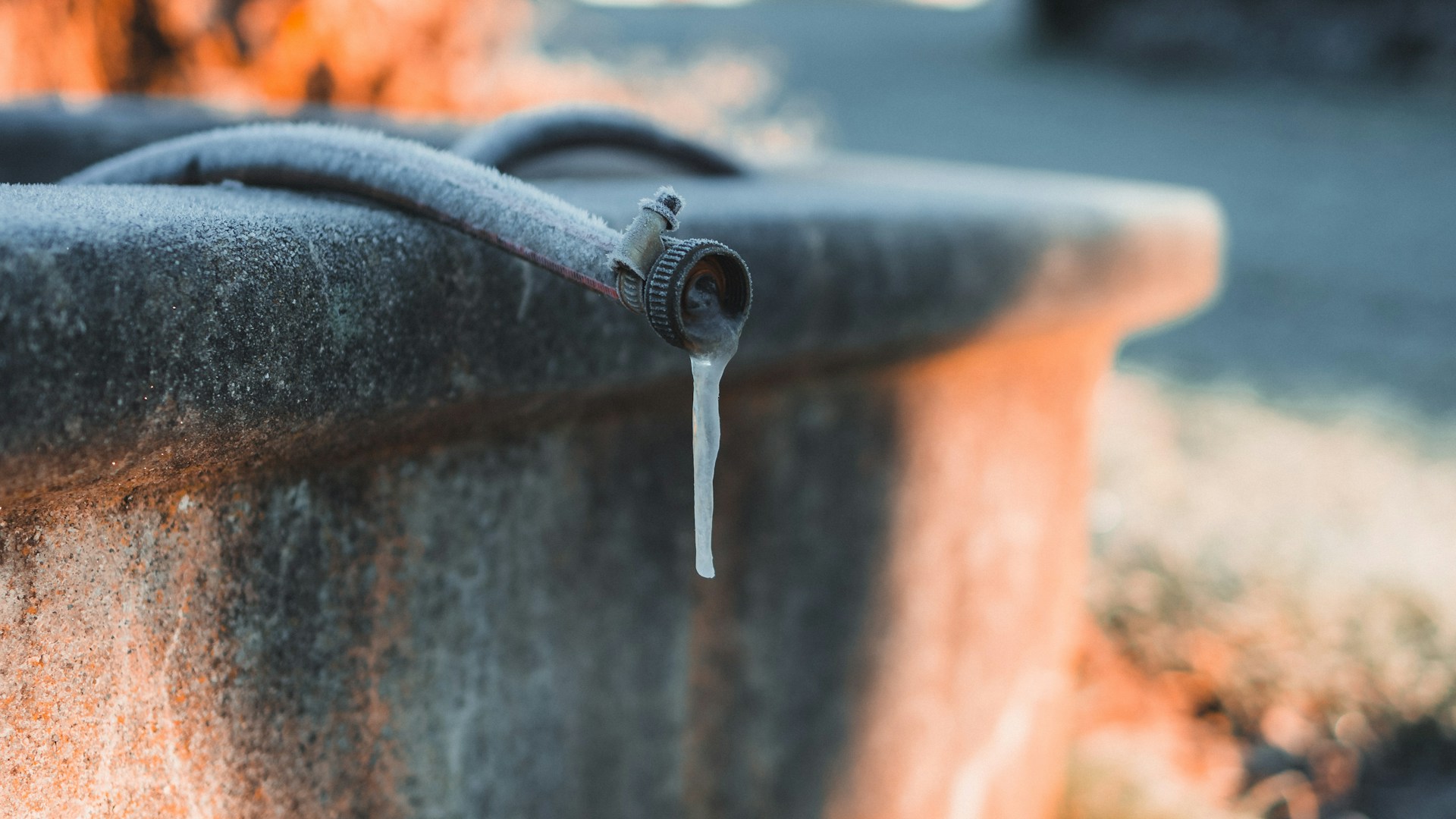
This is the number one forgotten step. When a garden hose stays connected through the cold months, water can remain trapped in the hose and in the faucet. If that water freezes, it can expand and damage the faucet or the pipe behind it, often inside the wall where you cannot see it. You may not notice anything wrong until the weather warms up and water starts leaking where it should not.
Here is what to do:
- Disconnect every garden hose, splitter and sprayer from outdoor faucets
- Drain the hoses, coil them, and store them in the garage or shed
- Check whether your home has an indoor shutoff valve for the outdoor faucet, and if it does, use it according to the instructions or have a plumber show you how
- Add an insulated foam cover over the faucet if you want an extra layer of protection
Even faucets sold as freeze resistant can fail when a hose is left attached, because the hose can hold water against the faucet. So take the hose off no matter what kind of faucet you have.
Do Not Forget The Vacant Room
Many of us close the door to a guest room, a sunroom or a basement corner and stop heating it. It seems sensible, since nobody is using it. But pipes often run through the walls, floors and ceilings of those spaces, and unheated areas can get cold enough for pipes to freeze first.
You do not need to heat a spare room like a living room, but you do want it to stay above the point where pipes are in danger. Keep the door open so warm air can circulate, and think about where water lines run in your house. Pipes along exterior walls, in crawl spaces, in attics, in garages, and under sinks near outside walls tend to be the most exposed.
One easy trick: on very cold nights, open the cabinet doors under kitchen and bathroom sinks that sit along outside walls. That lets warmer room air reach the pipes. If you have small children or pets, move any cleaning products or chemicals out of reach first.
Think Hard Before You Travel
The travel part catches a lot of people off guard. When you are home, you notice a cold draft or a dripping sound. When you are away for a week, a small problem can run for days before anyone knows. And turning the heat way down or off to save money is a gamble that can cost far more than it saves.
Before you head out for a winter trip:
- Leave the heat on at a safe, steady setting rather than shutting the furnace off
- Ask a neighbor, relative or friend to check on the house while you are gone, especially if a hard freeze is expected
- Know where your main water shutoff is, and make sure whoever is checking on the house knows too
- Consider shutting off the water at the main if you will be gone a long time, and check with a plumber about how to do that properly
- Check the weather forecast before you leave and while you are away
Some people also install a water leak sensor or a smart thermostat that alerts their phone if the house gets too cold or if water is detected. These are not required, but they can give peace of mind.
Know Where Your Shutoff Is
If a pipe does burst, every second counts. Walk through the house today and find your main water shutoff valve. It is usually near where the water line enters the home, such as in a basement, a utility room, a crawl space or near the water heater. Make sure every adult in the household knows where it is and how to turn it. Try it once so you know it works and is not stuck.
If you find a burst pipe, shut off the water first, then call a plumber. If water is near electrical outlets or the panel, stay away and call a professional for help.
Other Easy Winter Prep
- Seal gaps where pipes enter the house, using caulk or insulation to block cold air
- Wrap exposed pipes in basements, crawl spaces and garages with pipe insulation sleeves
- Keep garage doors closed if water lines run through the garage
- During a deep freeze, let a faucet drip slowly if a plumber has advised that for your home
A burst pipe is messy, stressful and expensive, and nearly all of it can be avoided. Take that hose off the faucet, keep the heat on, and tell someone where your shutoff valve is. A little work now beats a soggy surprise later.
More Stories You May Like
- Couple Renovating a Fixer Upper Knew Something Was Off About One Wall, and When They Finally Opened It They Found a Massive Termite Nest Instead of Insulation
- Homeowner Cleaning Out The Basement Notices A Damp Spot, Pulls Off A Section Of Wall, And Finds A Hidden Door Framed In Wood Behind The Block
- Pressure Washer Says Another Contractor Told A First Time Home Buyer Her Brick Wall Needed To Be Torn Down, And All It Needed Was A Little Chemistry
Leave a Reply